

When people talk about living longer, the conversation usually lands on diet, sleep, and what is happening inside our cells. Balance rarely gets a mention. Yet how steadily you stand on one leg, and how smoothly your body moves through space, turns out to be one of the more revealing signals of how well you are ageing. These abilities feel automatic until the day they are not, and by then a lot of ground has already been lost.
Stability and coordination are not just gym concerns for athletes. They shape whether you stay independent, keep doing the things you love, and avoid the kind of fall that can change everything.
The good news is that both respond well to training at almost any age. First, it helps to understand what they actually are and why the body starts to let them slip.
What Stability and Coordination Actually Mean
Stability is your ability to hold a position and stay upright as you stand still, reach for a high shelf, or catch yourself after a stumble. Coordination is the smooth teamwork between your muscles, your senses, and your brain that lets you move accurately and efficiently.
Underpinning both is something called proprioception, your body's internal sense of where its limbs are without looking. Proprioception, muscle strength, and quick nerve signalling all feed into staying balanced. When one of them fades, the whole system gets less reliable, and simple movements start to demand more conscious effort.
The Surprising Link to How Long You Live
Researchers have found that a few basic movements predict longevity with unsettling accuracy. In a widely cited study, adults who could not complete a 10-second stand on one leg were far more likely to die over the following years than those who could, even after accounting for age, weight, and underlying conditions. The test takes seconds, yet it captures the state of your whole balance system in one snapshot.
A similar pattern shows up with the floor. People who struggle to sit down and rise from the ground without using their hands or knees for support tend to have shorter survival than those who move up and down freely. These tests are powerful because they bundle so much together at once. Balance, strength, flexibility, and coordination all have to cooperate for you to pass, so a low score points to something bigger than one weak muscle.
None of this means a single wobble decides your fate. What the research shows is that whole-body movement quality is a genuine marker of resilience, and resilience is what carries you through the decades.
Why These Abilities Decline, and Why That Is Not Inevitable
Stability and coordination tend to slip with age for reasons that stack on top of each other:
-
Muscle mass falls gradually from midlife onward, and less muscle means less control.
-
Nerve signals travel more slowly, so the body reacts a fraction later to a slip or a shove.
-
Proprioception dulls, leaving the brain with a fuzzier map of where the body is.
-
Daily life gets less physically varied, so the balance system rarely gets challenged.
That last point matters most, because it is the one you control. Much of the decline blamed on ageing is really the result of practice falling away. When you stop asking your body to balance, coordinate, and recover, those skills fade from disuse rather than from age alone.
The reverse is also true. Balance and coordination improve with training well into later life, which makes them one of the most rewarding things to work on.
How to Train Stability and Coordination
The encouraging part is that this system responds quickly, and you do not need a gym to work on it. A large review of exercise studies found that programmes including balance and functional training meaningfully reduced the rate of falls in older adults. A few habits go a long way:
-
Practise standing on one leg while you brush your teeth, and build up to holding it with your eyes closed.
-
Strength train your legs, hips, and core two or three times a week, since strength is the engine behind steady balance.
-
Add movement that demands coordination, such as dancing, tai chi, racquet sports, or simple ball catching.
-
Challenge yourself gradually on safer uneven surfaces like grass or sand, with something sturdy nearby to hold.
-
Keep moving through varied terrain in daily life rather than always walking flat, predictable paths.
Give any new routine a few weeks before you expect visible change, and treat consistency as the real goal. The people who keep their stability into old age are rarely the ones who trained hardest for a month. They are the ones who kept challenging their bodies, year after year, long after it stopped feeling novel.
That staying power depends on more than willpower. It also rests on having the energy and cellular capacity to keep showing up for movement in the first place, which is where the inside of the body meets the outside.
Ageless NMN: The Energy to Keep Moving Through the Years
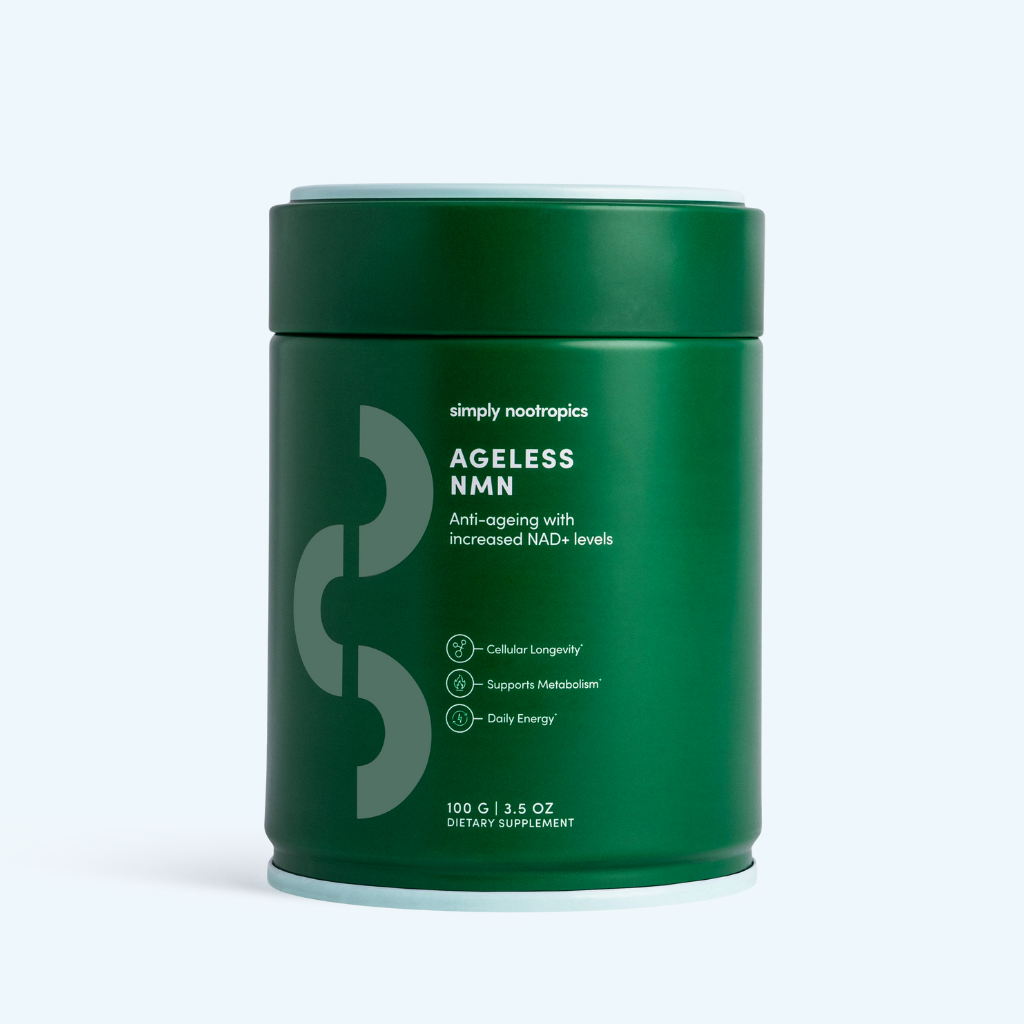
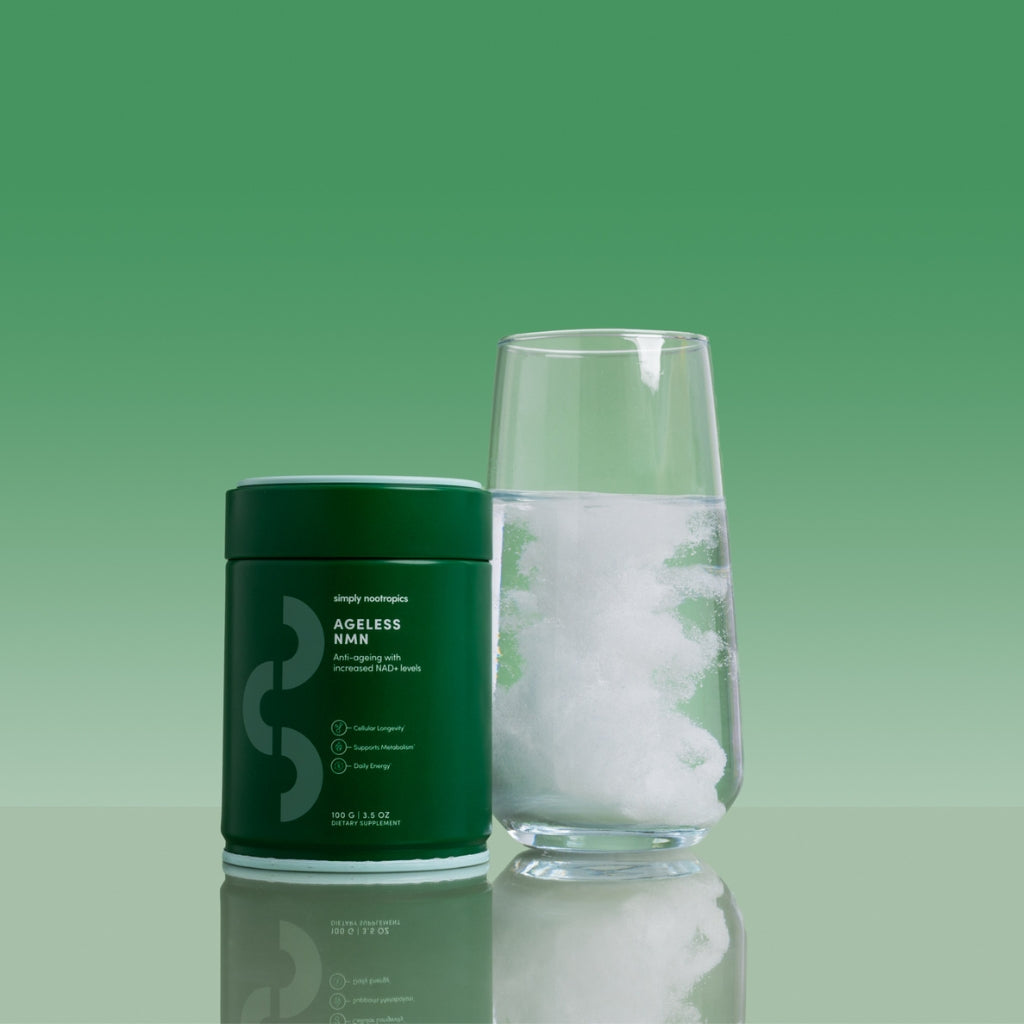
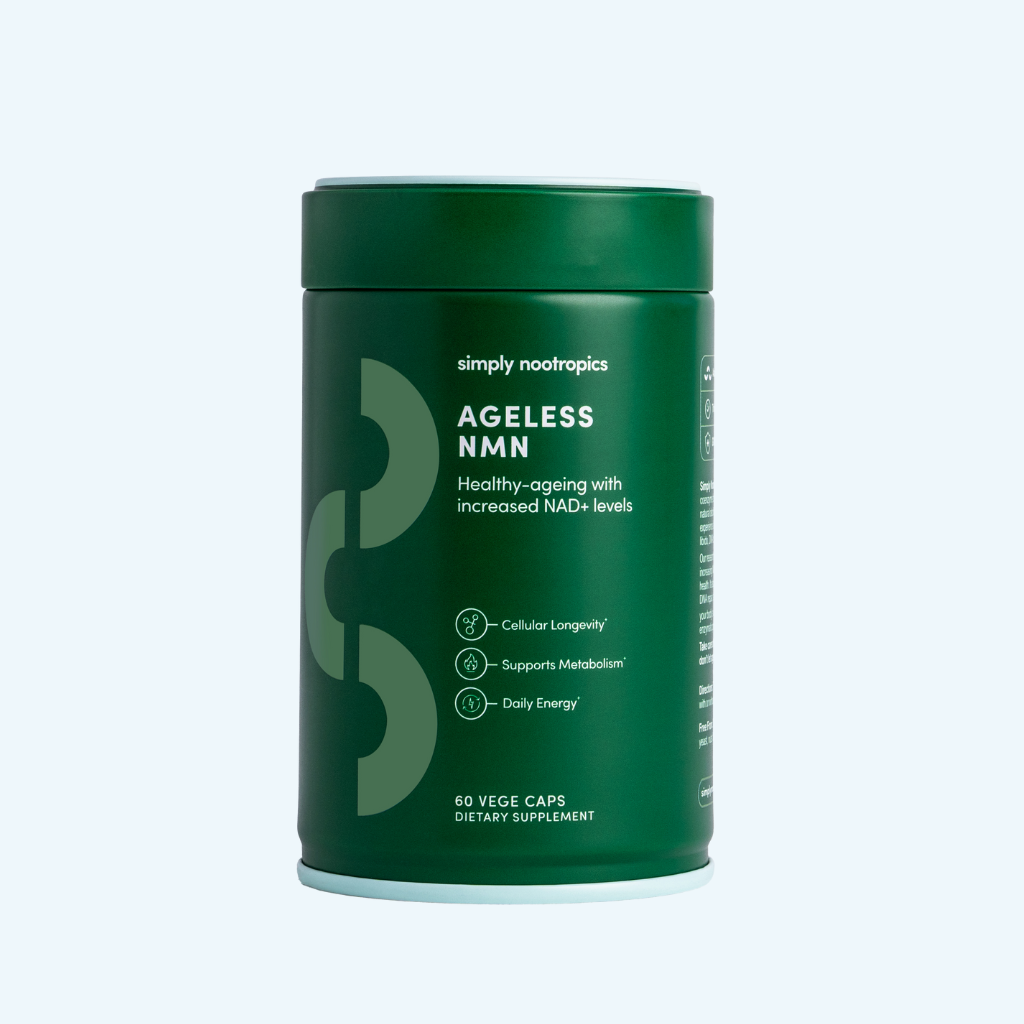
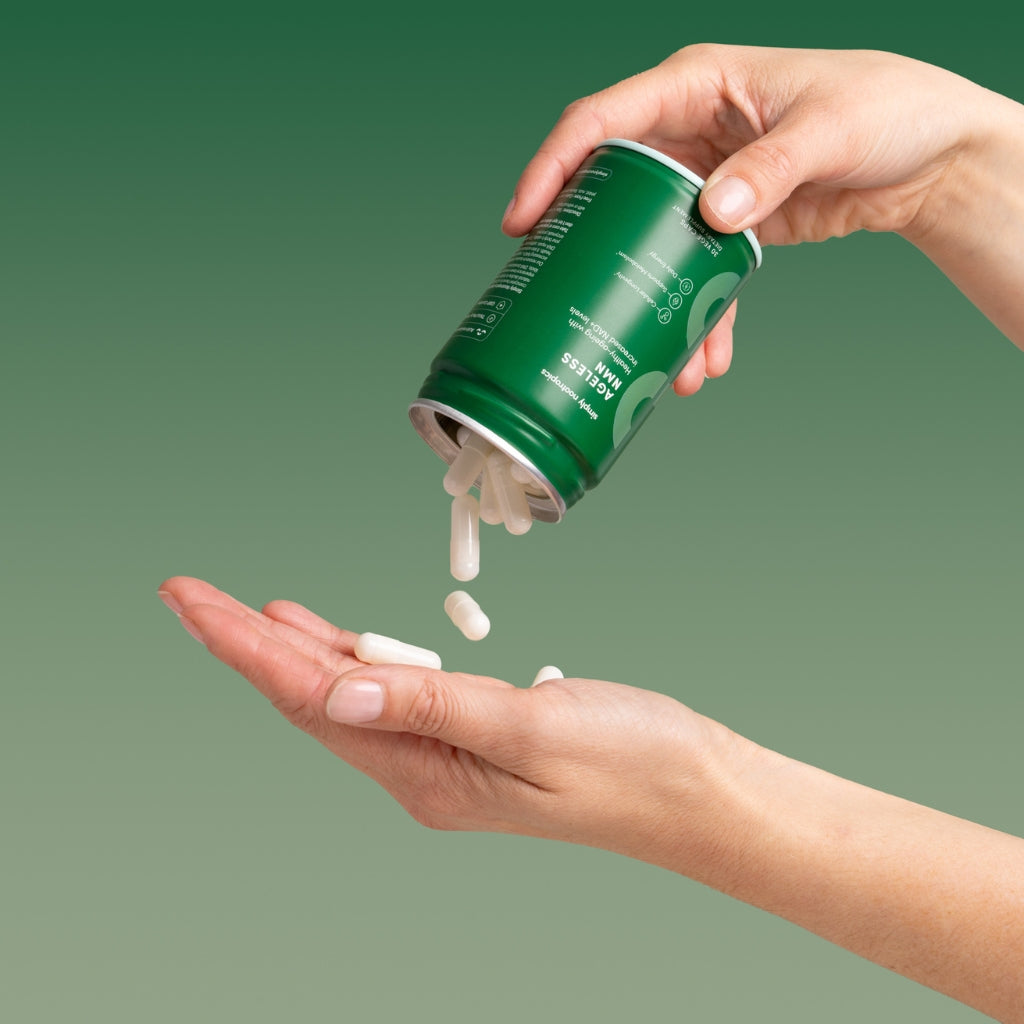
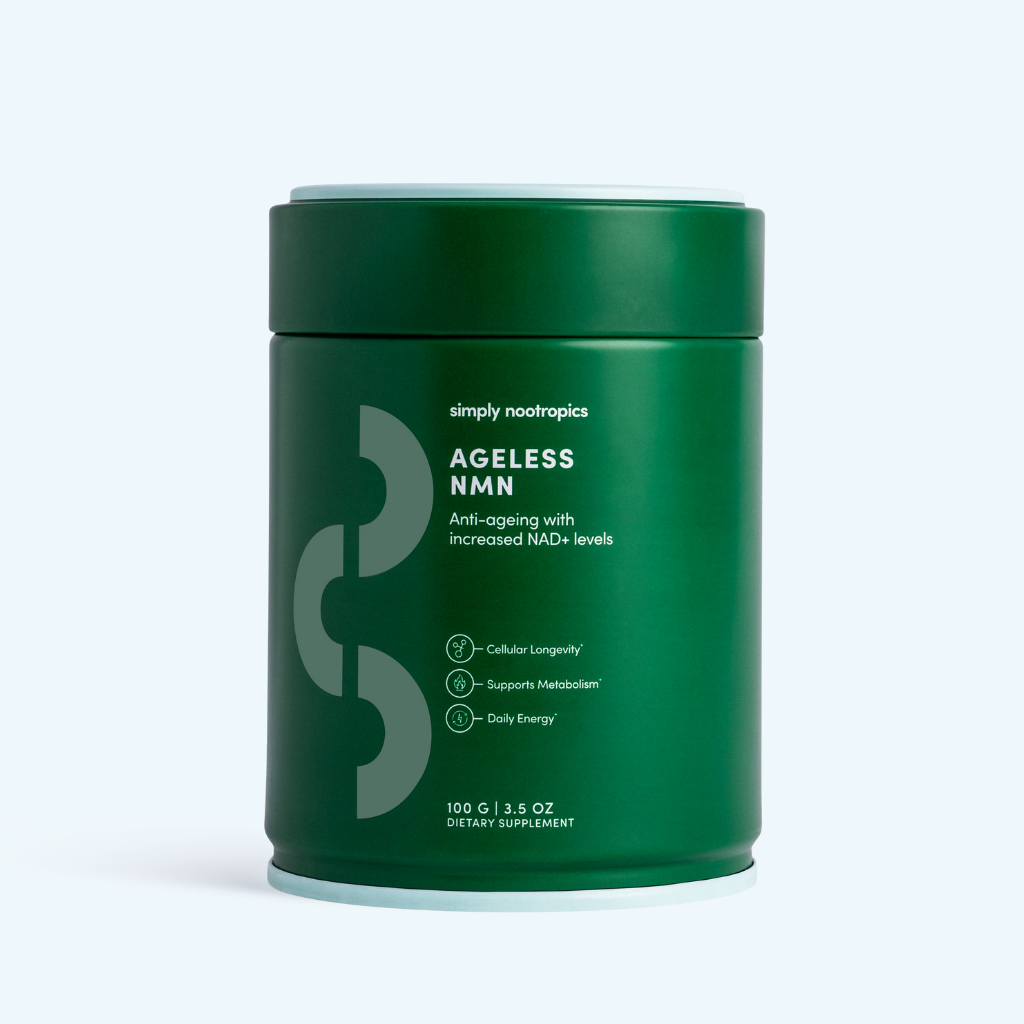
Stability and coordination are skills you keep by using them, and using them takes steady, day-after-day energy. That energy is built at the cellular level, and it is exactly where Ageless NMN goes to work. As a precursor to NAD+, the molecule your cells rely on to produce energy, Ageless NMN supports the cellular vitality that helps you stay active and keep training as the years add up.
Balance work protects how you move. Ageless NMN supports the get-up-and-go that gets you out the door to do it in the first place, so healthy ageing feels less like holding the line and more like staying in motion.