

For many people, the first sign of ageing eyes is a restaurant menu. One day the print looks fine, and a few months later you’re holding it at arm’s length or reaching for your phone torch.
Eyesight changes with age for almost everyone, and most of those changes are a normal part of getting older. Still, how well you see affects far more than reading. It shapes how safely you move, how confidently you drive and how connected you stay to the people and things you love. Here’s what happens to your eyes over time, and what you can do to look after them.
Why Close-Up Focus Gets Harder
Inside each eye sits a flexible lens that changes shape to focus on objects at different distances. With age, that lens slowly stiffens. According to the National Eye Institute, this change, called presbyopia, usually becomes noticeable after the age of 45.
The signs are easy to spot:
-
You hold books, labels or your phone further away to read them.
-
Your eyes feel tired after close-up work.
-
You get headaches after long stretches of reading.
Presbyopia is not a sign that something is wrong. Reading glasses or multifocal lenses usually sort it out, and an optometrist can help you find the right option.
Why You Need More Light
Your pupils control how much light enters your eyes, and they get smaller and slower to react with age. As a result, less light reaches the back of the eye. NIH News in Health reports that people in their 60s need three times more light than people in their 20s to read comfortably.
This explains why dim restaurants feel harder to manage and why night driving becomes more tiring. Older eyes also take longer to adjust when you move from a bright space into a dark one, and glare from headlights or low sun can feel more uncomfortable.
Why Colours and Contrast Fade
The lens doesn’t only stiffen. It also slowly yellows and becomes less clear. Over time, this can make colours look slightly duller and make it harder to tell similar shades apart, such as navy and black.
Contrast sensitivity, your ability to pick out objects against a similar background, also tends to decline. You might notice it when you look for a step edge in poor light or read grey text on a white screen. For many people, the clouding of the lens eventually becomes a cataract.
The same NIH article notes that more than half of people have had cataracts by the age of 75, and surgery to replace the lens is one of the most common and successful procedures in medicine.
Why Your Eyes Feel Drier
Tear production falls with age, which is why dry, gritty or tired eyes become more common in later decades. Screens make it worse, because we blink far less when we concentrate on a device. Heating, air conditioning and wind all add to the problem.
Why Your Retina Works So Hard
At the back of your eye, the retina turns light into signals your brain can read. Its light-sensing cells, the rods and cones, are among the most energy-hungry cells in the body.
To meet that demand, those cells rely on NAD+, a molecule every cell uses to produce energy. Research from Washington University identified NAD+ as essential for the health of rods and cones, and found that problems in this energy pathway led to damage in those cells. Since NAD+ levels naturally decline with age, researchers are paying close attention to how cellular energy supports the ageing eye.
Why Good Vision Matters for Healthy Ageing
Clear sight affects much more than how sharply you see a page.
-
Good vision helps you stay steady on your feet. A systematic review found that impaired vision is linked to a higher risk of repeated falls in older adults.
-
Seeing well keeps you independent, because it lets you drive, cook, manage your medication and get around without help.
-
Vision supports your social life. When it becomes hard to recognise faces or read in a café, many people start to go out less.
-
Sight keeps you doing the things you enjoy, from reading and gardening to travel and crafts.
Habits That Support Your Eyes
You can’t stop your eyes from ageing, but you can give them the best possible conditions.
-
Get regular eye checks. Many eye conditions develop slowly and without pain, so an eye test is often the only way to catch changes early. NIH News in Health recommends a comprehensive dilated eye exam every year after 50.
-
Eat your greens. Leafy greens like kale and spinach are rich in lutein and zeaxanthin, two pigments that collect in the centre of the retina. Eggs, corn and orange capsicum are good sources too.
-
Protect your eyes from the sun. UV light contributes to lens changes over time. Wear sunglasses that block UVA and UVB, and add a wide-brimmed hat in bright sun.
-
Give your eyes screen breaks. Every 20 minutes, look at something about 6 metres away for 20 seconds. This simple habit relaxes the focusing muscles and reminds you to blink.
-
Light your space well. Use bright, even lighting for reading and close work, and add night lights in hallways and bathrooms to help prevent trips.
-
Don’t smoke. Smoking raises the risk of cataracts and damages the delicate blood vessels that feed the eye.
-
Keep moving. Regular exercise supports healthy circulation and blood pressure, which both matter for the small blood vessels in the retina.
Look After Your Eyes Early
Most age-related eye changes happen gradually, so it’s easy to adapt without noticing how much you’ve adjusted. The sooner you build eye-friendly habits, the more you protect the sight you have now. If you notice sudden changes, such as flashes of light, a shadow across your vision or a quick loss of sharpness, see an eye professional straight away.
Support Your Cells From Within
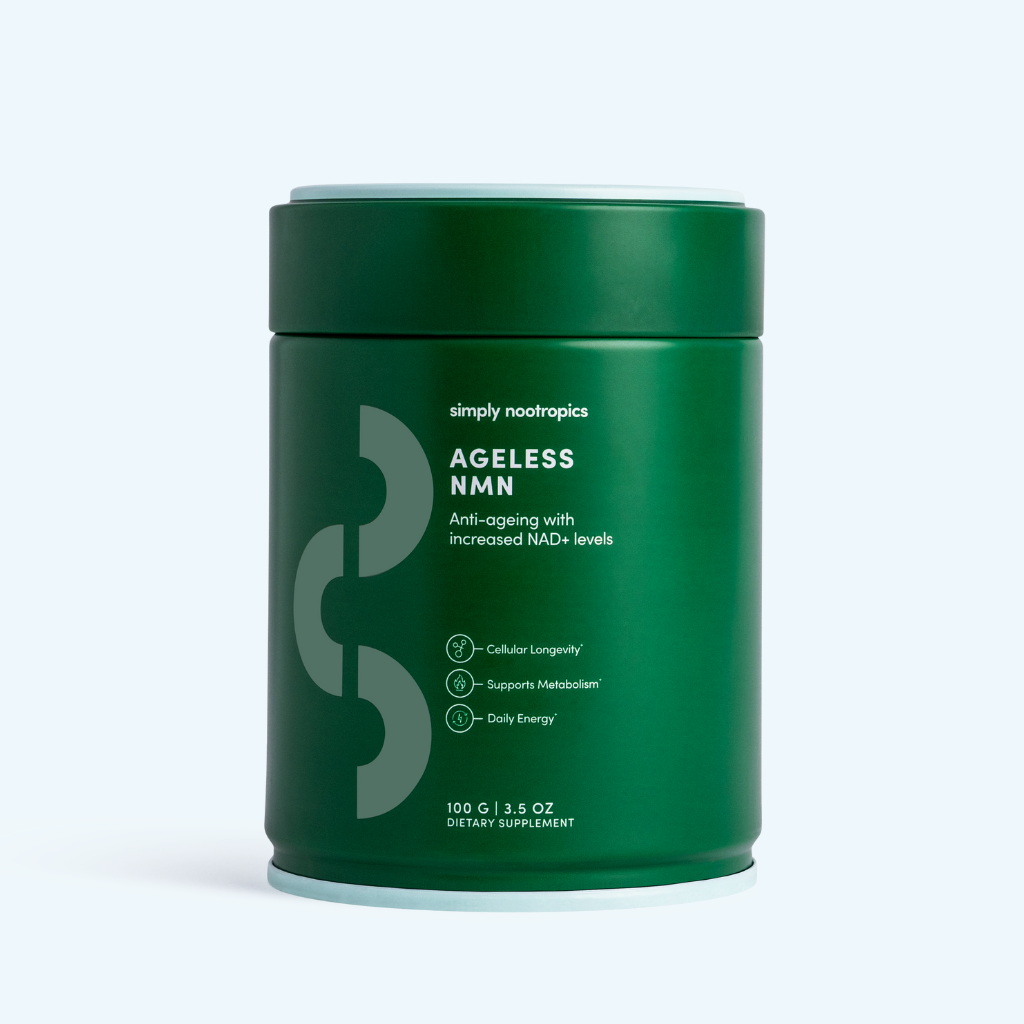
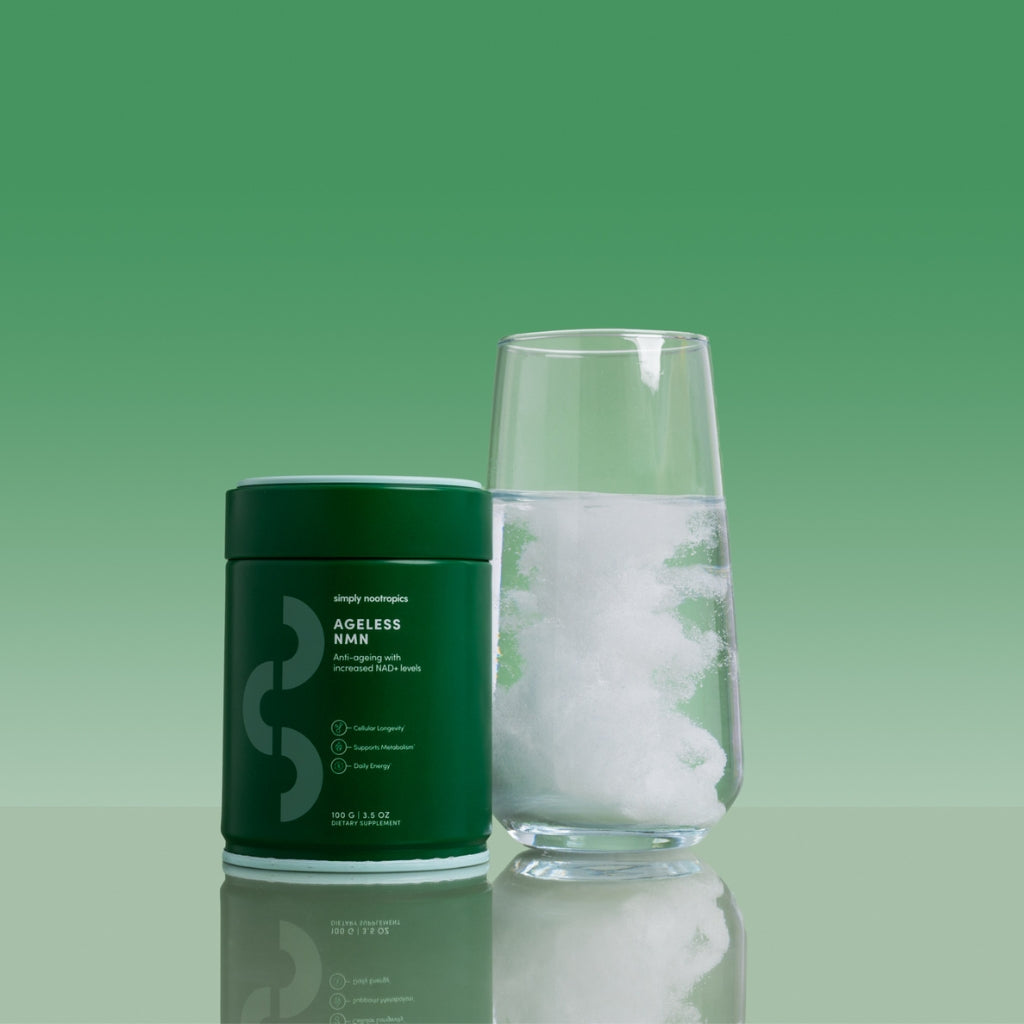
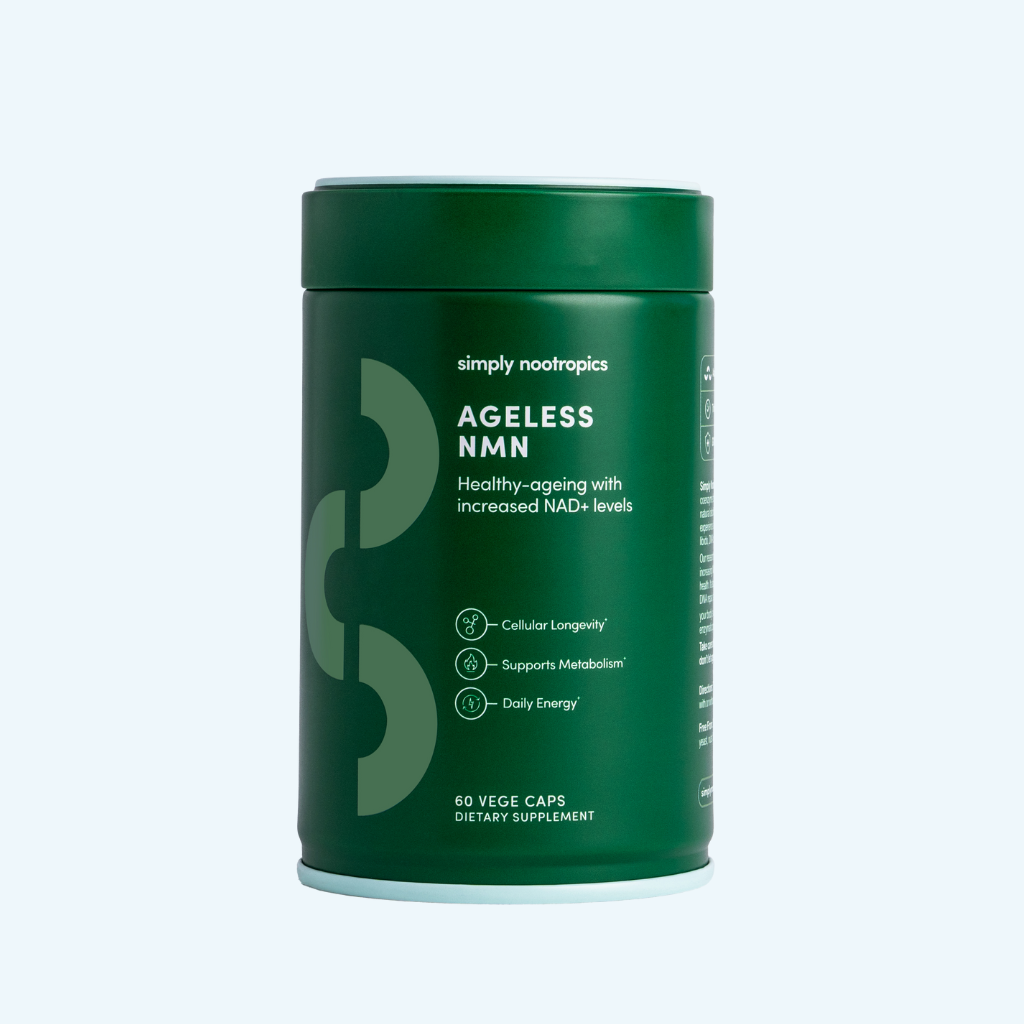
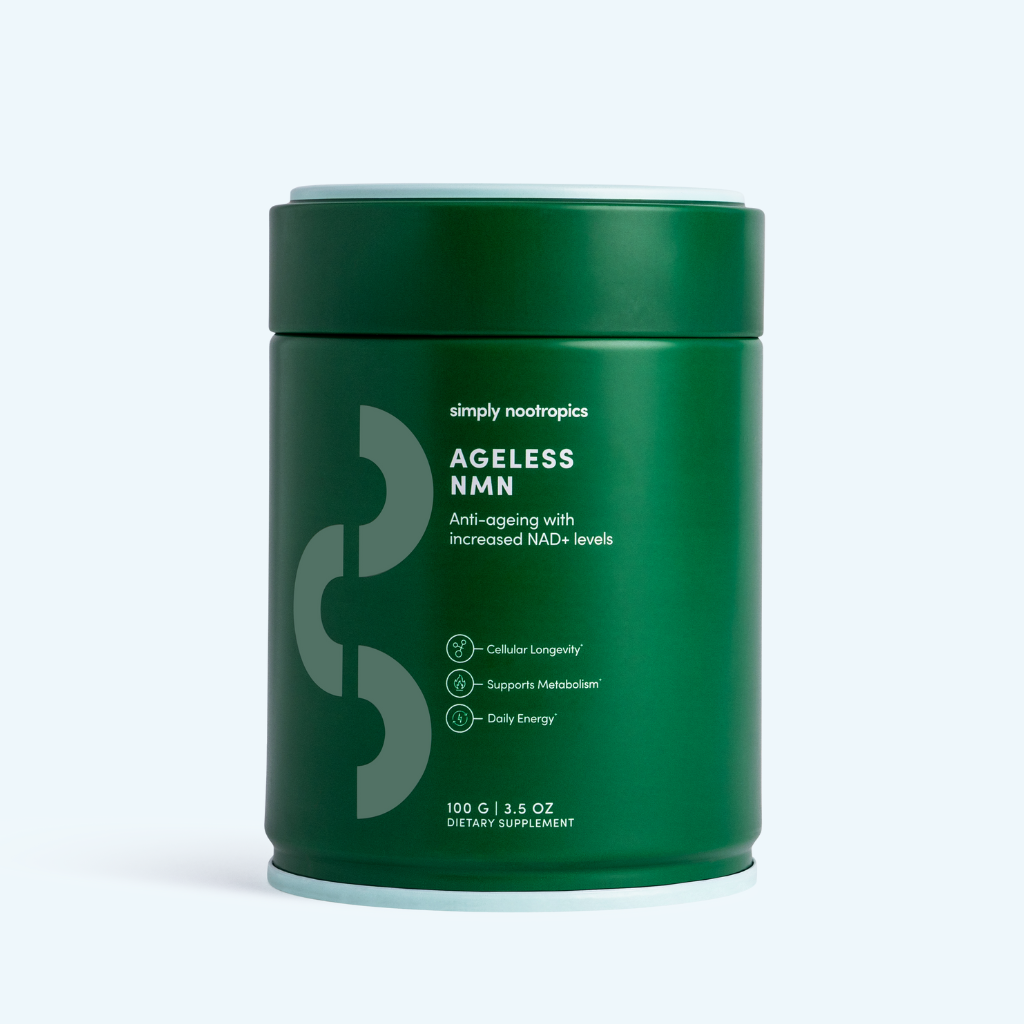
The cells in your eyes, like every other cell in your body, depend on a steady supply of cellular energy. Ageless NMN supports healthy NAD+ levels, the molecule your cells use to produce that energy and which naturally declines with age.
Add a scoop of Ageless NMN to your morning routine alongside leafy greens, regular eye checks and your sunglasses, and give your whole body the energy support it needs as you age.