

The idea of setting aside an hour for the gym has always come with a stubborn problem. Most people cannot find the hour, and the ones who can often skip it anyway. Snack-sized workouts flip that logic on its head. Instead of one big session you might dread, you scatter a few short bursts of effort across the day and let them add up.
The approach has caught on because it fits real life, but the more interesting story sits below the surface. Your body appears to respond to movement in a way that rewards frequency, not just duration. To see why little and often works so well, it helps to start with what actually happens inside a working muscle.
What Counts as an Exercise Snack
An exercise snack is a short, deliberate burst of activity, usually a few minutes or less, repeated a couple of times through the day. It is not a warm-up or a stroll to the kettle. The point is a genuine spike in effort that leaves you slightly out of breath.
The formats are refreshingly ordinary. Climbing a few flights of stairs at pace counts. So does a brisk set of squats, a fast walk around the block, or a short flurry of star jumps between meetings. Older adults often use leg-focused strength moves, while younger people tend to reach for stairs. What ties the formats together is intent. You choose a short, hard effort on purpose, rather than hoping the incidental steps of a normal day add up to enough, which for most people they never do.
Researchers reviewing this style of training found something that matters for anyone who struggles to stay consistent. Adherence sat above ninety percent in trials, far higher than most structured programmes manage. A workout you actually repeat beats a perfect one you abandon.
Why Little and Often Speaks to Your Cells
Here is the part that makes the trend more than a scheduling trick. Movement is a signal, not just a calorie burn. Every time a muscle contracts against real effort, it sends a wave of messages that tell the body to adapt, repair and build.
Sitting still sends the opposite message. Long, unbroken stretches of inactivity let those signals fade, and the body settles into a low-maintenance idle. This is why several short bursts across a day may keep the adaptive process ticking over more than a single session followed by hours of stillness.
Think of it as tapping the accelerator regularly rather than flooring it once and coasting. The body seems to read a steady rhythm of small demands as a reason to stay ready, which is a very different state from waiting all day for one big effort that may never come.
There is a practical upside to this too. Because each burst is brief, you recover almost immediately and carry none of the fatigue that can make a long session feel like a wall. That lower barrier is a large part of why people keep the habit going, and consistency is exactly what the payoff depends on.
What Your Body Does With the Signal
When you push a muscle, it responds by getting better at the job. Regular demand prompts muscle tissue to build more of the tiny structures that produce energy, so the same stairs or the same hill start to feel easier over the following weeks.
The benefits are not confined to the muscle itself. Frequent movement supports circulation, helps the heart and lungs work efficiently, and keeps joints mobile through their full range. Joints in particular respond well to being used often and gently rather than sitting idle, which is one reason little and often suits bodies that stiffen after long periods of sitting.
The through line is simple. Your body treats regular, real effort as a reason to maintain itself, and a scattered set of bursts gives it that reason more often across the day. A body that is asked to move a little all day long tends to hold its strength, mobility and energy better than one that waits for a single window and stays still the rest of the time.
Why This Gets Harder as the Years Add Up
Ageing changes the maths. The systems that respond to movement adapt a little more slowly over time, and recovery from effort tends to take longer, so the same burst gives back a little less than it once did. This is normal, and it is a reason to keep moving rather than a reason to stop.
It is also why what you do around your workouts starts to matter more as the years add up. Sleep, the food you eat, and the daily support you give your body all shape how well it answers the signal that movement sends. The stronger that response, the more each small effort returns.
Little and often keeps asking the question. Looking after the response is how you make sure your body can still say yes.
What the Evidence Actually Shows
It helps to stay honest about what short bursts can and cannot do. The clearest, best-supported benefit is improved cardiorespiratory fitness, the kind that makes stairs and hills feel easier and supports the heart and lungs over the long run.
The picture is more mixed for other outcomes. Some trials have not shown strong changes in things like blood pressure or body composition from brief bursts alone, so exercise snacks are best seen as a powerful addition rather than a full replacement for strength work and longer efforts where you can manage them.
A few principles keep the approach effective:
-
Make each burst count by reaching a real level of effort, not a gentle amble
-
Spread them out, since the aim is to interrupt long stretches of sitting
-
Repeat them most days, because the benefits come from consistency over weeks
-
Pair them with the basics of sleep, protein, hydration and daily support
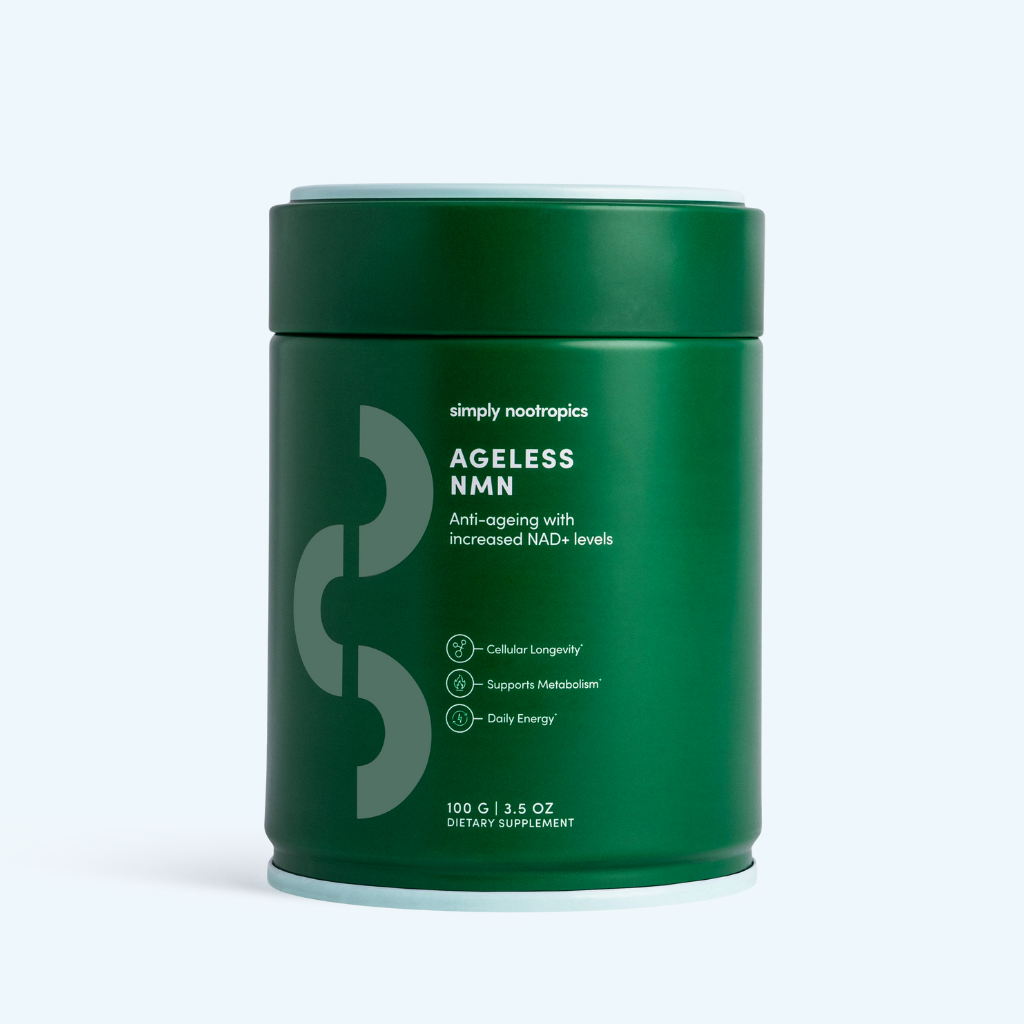
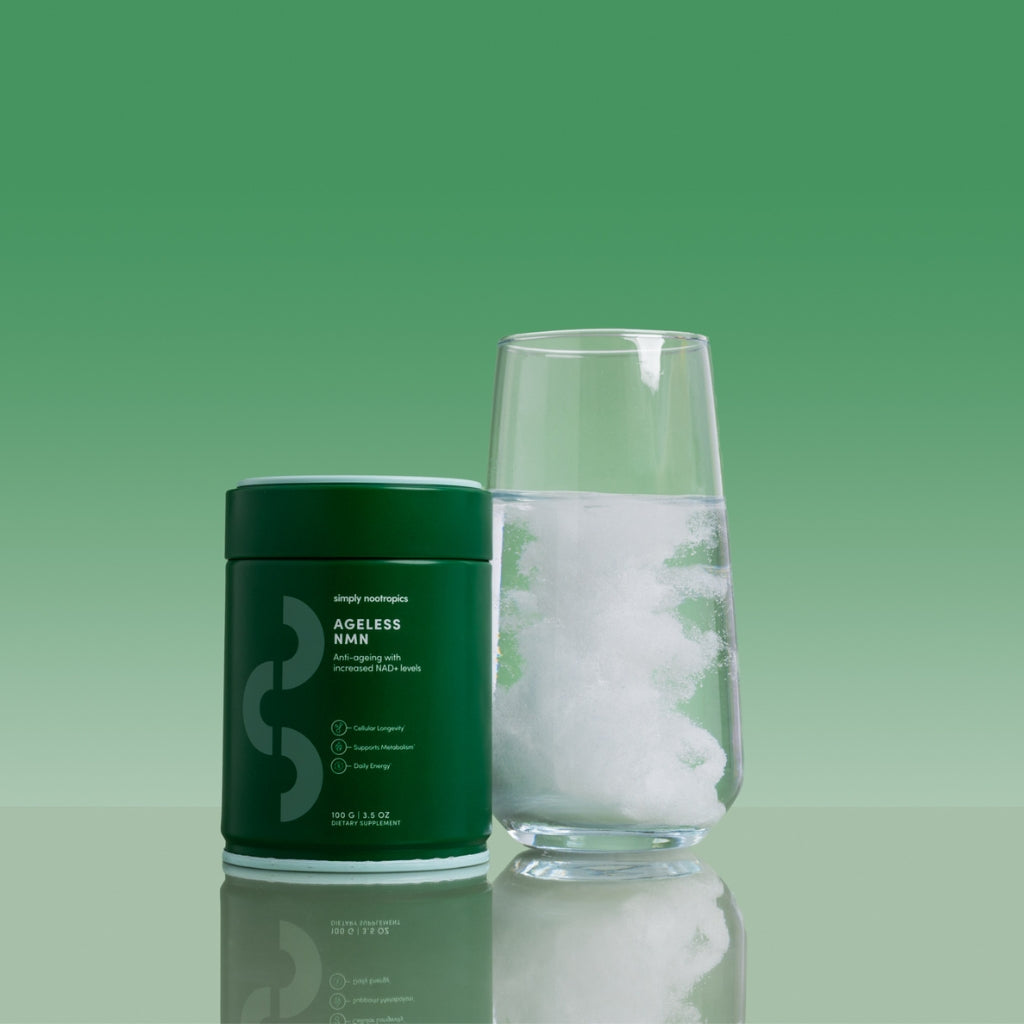
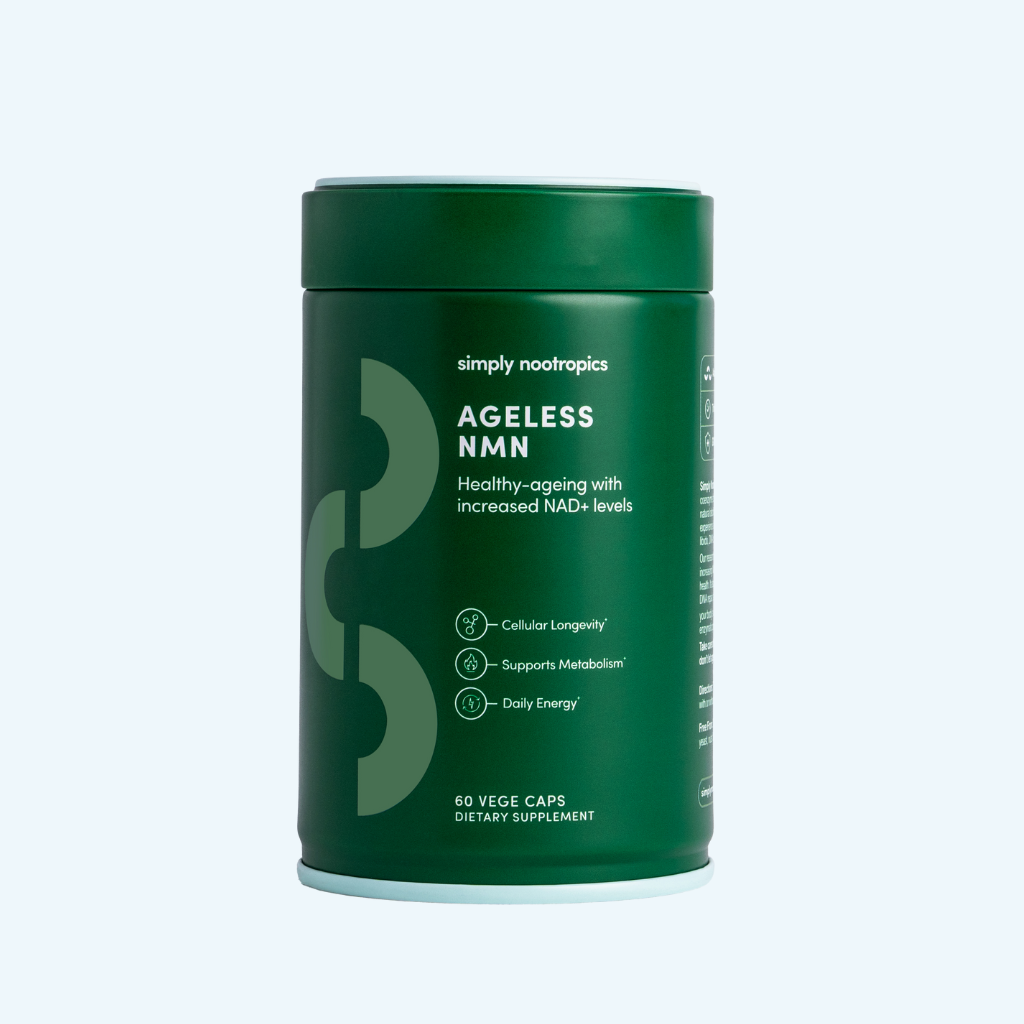
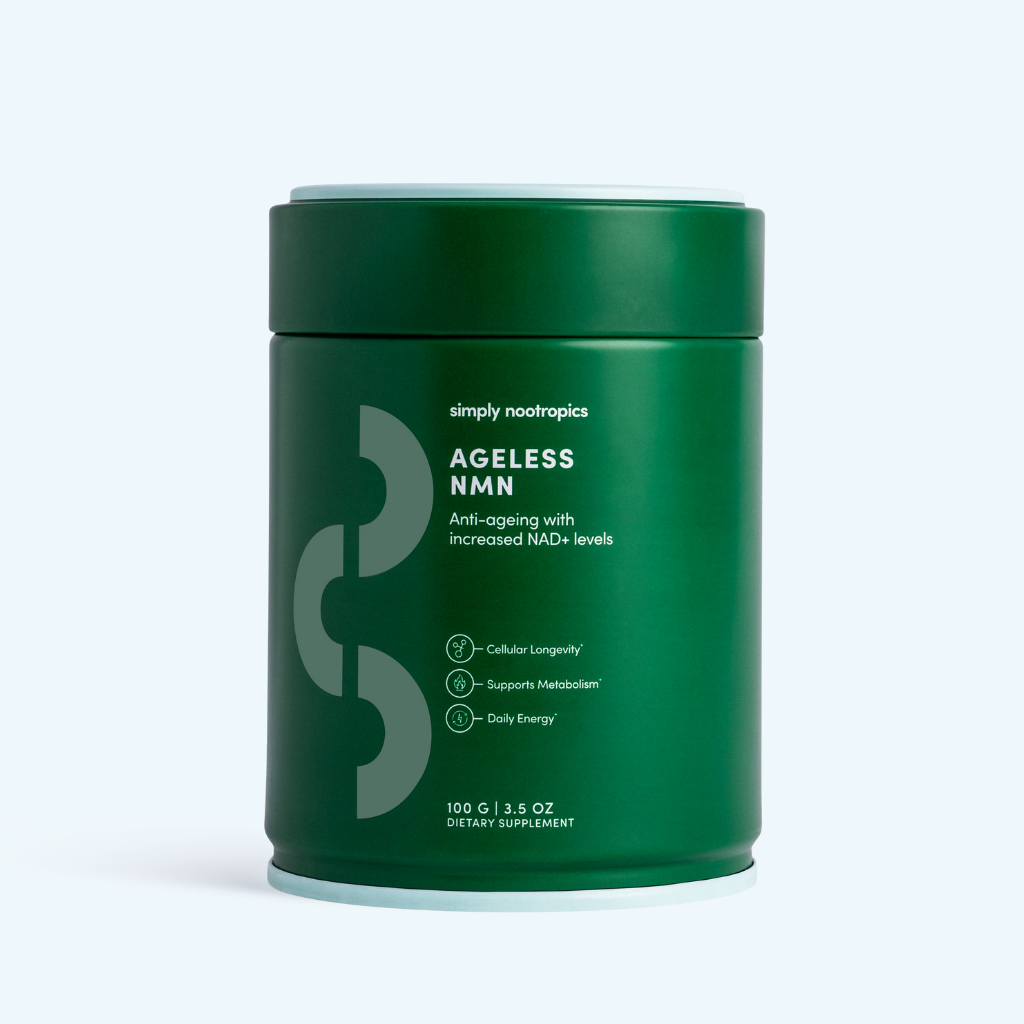
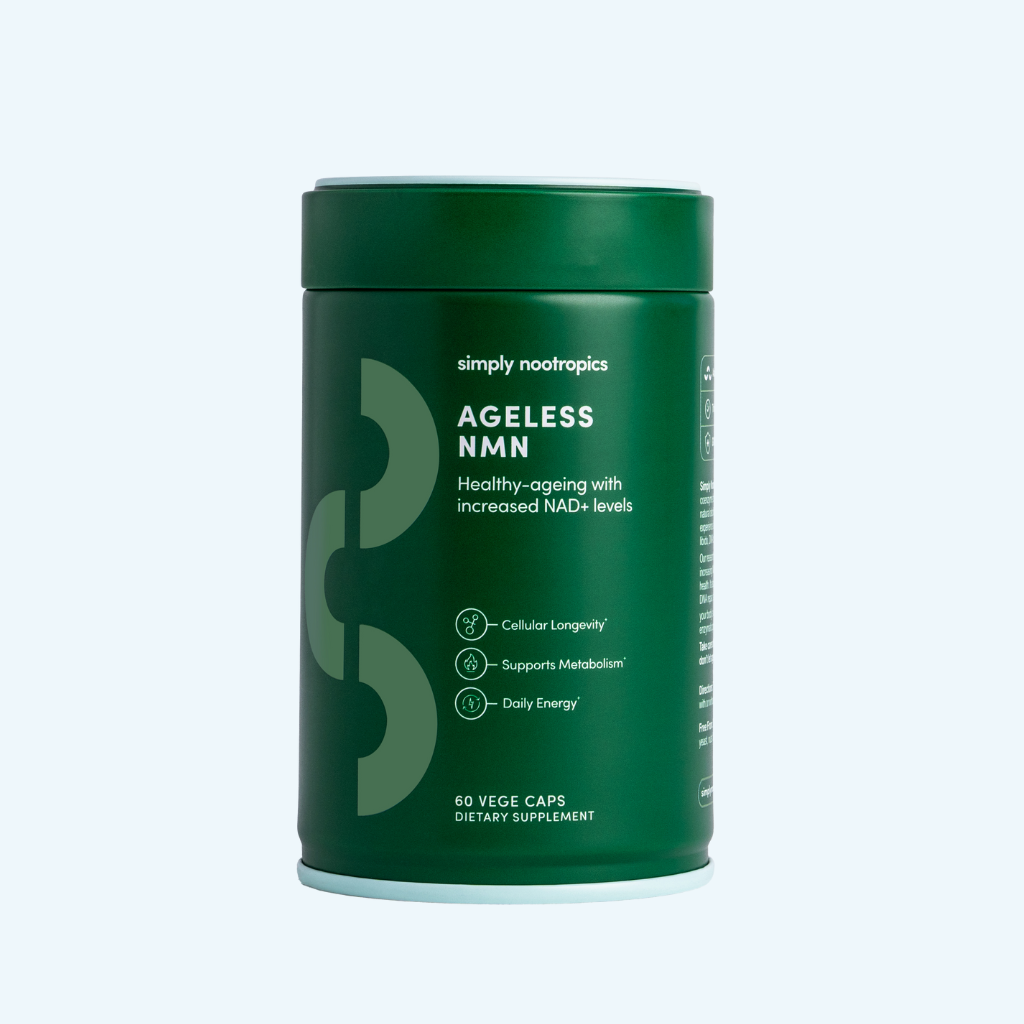
Ageless NMN
Every burst you fit into the day asks something of your cells, and answering it draws down their NAD+. Ageless NMN puts that back: the NMN in it converts into NAD+, so the supply is ready the moment your muscles call for it after the stairs or the squats.
It is the one fixed point in a routine that is otherwise scattered on purpose, a single daily dose that keeps working whenever you happen to move. You bring the bursts, and Ageless NMN helps your cells make the most of every one.