

Every year on 23rd June, World Hydration Day puts a spotlight on something most of us are quietly getting wrong. Not dramatically wrong, just consistently, daily, in ways that add up.
Low energy, patchy focus, skin that never quite looks its best. The culprit is often simpler than people think: not enough water.
What Actually Happens When You're Dehydrated
Your body is roughly 60% water, and it needs that balance maintained to function properly. When fluid levels drop, even by 1–2%, the effects show up fast.
Cognitive performance is one of the first things to go. Research consistently shows that mild dehydration impairs concentration, working memory, and reaction time. That afternoon brain fog you're pushing through? It could simply be that you haven't had enough water.
Energy drops too. Water is essential for transporting nutrients to cells and removing waste. When circulation slows due to dehydration, your cells aren't getting what they need, and you feel it as fatigue that no amount of coffee seems to fix.
Skin is another early indicator. Chronically low hydration affects skin elasticity and the appearance of fine lines. It also compromises your skin barrier, making it harder to retain moisture even when you do top up. Over time, consistently poor hydration accelerates some of the visible signs of ageing.
Digestion slows down, joints feel stiffer, and headaches become more frequent. These aren't dramatic symptoms, they're subtle enough that most people attribute them to other causes. But the common thread is often simply not drinking enough.
How Much Water Do You Actually Need?
The standard eight-glasses-a-day rule is a rough guide at best. Your actual needs depend on your body size, activity level, climate, and diet. A more practical starting point: aim for around 35ml per kilogram of body weight per day, and more if you're exercising, in a hot environment, or eating a high-protein diet.
Urine colour is a simple real-world indicator. Pale straw yellow means you're well hydrated. Dark yellow or amber is a signal to drink more. Clear urine, surprisingly, can mean you're overhydrating and flushing electrolytes you need.
It's also worth remembering that thirst is a lagging indicator. By the time you feel thirsty, you're already mildly dehydrated. Sipping consistently throughout the day is far more effective than drinking large amounts reactively at the end of it.
It's Not Just About Water
Hydration isn't just about the volume of fluid you drink, it's about what stays in your cells. Electrolytes like sodium, potassium, and magnesium regulate how water moves in and out of cells. Without them in the right balance, you can drink plenty of water and still feel the effects of poor hydration.
Food contributes significantly too. Fruits and vegetables – particularly cucumber, watermelon, celery, and leafy greens – have high water content and deliver electrolytes alongside. A diet high in processed foods, on the other hand, can actually increase your fluid requirements.
Caffeine has a mild diuretic effect at high doses, but moderate coffee and tea intake (two to three cups per day) doesn't significantly impact overall hydration status for most people. Alcohol is a different story and does meaningfully increase fluid losses, which is why a glass of water alongside alcoholic drinks makes a genuine difference.
Hydration and Cellular Health
One angle that doesn't get enough attention is the relationship between hydration and cellular repair. Water is involved in virtually every cellular process, from energy metabolism to DNA repair to the clearance of cellular waste products.
Mitochondria (the structures inside cells responsible for producing energy) are particularly sensitive to hydration status. When cells are dehydrated, mitochondrial efficiency drops. That means less ATP produced per unit of effort, which translates directly into the kind of fatigue and mental sluggishness that's hard to shake.
Cells that are chronically under-hydrated are also less efficient at clearing the byproducts of normal metabolism. That build-up of cellular waste is one of the drivers of the low-grade inflammation that accumulates with age. Staying well hydrated is one of the simplest ways to keep those clearance pathways working as they should.
Simple Habits That Make a Difference
You don't need to overhaul your entire routine. A few consistent habits do most of the work.
Start the day with water before anything else. After six to eight hours without fluids, your body is running low. A large glass of water first thing, before coffee, before breakfast, sets a good baseline for the rest of the day.
Keep water visible. If it's on your desk, you'll drink it. Out of sight genuinely does mean out of mind when it comes to hydration.
Link water intake to habits you already have. A glass before each meal, a glass when you take supplements, a glass when you sit down at your desk. Attaching hydration to existing cues makes it far easier to sustain than trying to remember to drink on top of everything else.
Be consistent rather than reactive. The goal is steady, maintained hydration, not catching up at the end of the day when the damage is already done.
Supporting Your Cells from the Inside Out
Good hydration creates the conditions for your cells to function well, but water alone can only do so much. Alongside hydration, one of the most important factors in cellular energy and repair is NAD+, a coenzyme present in every cell in your body.
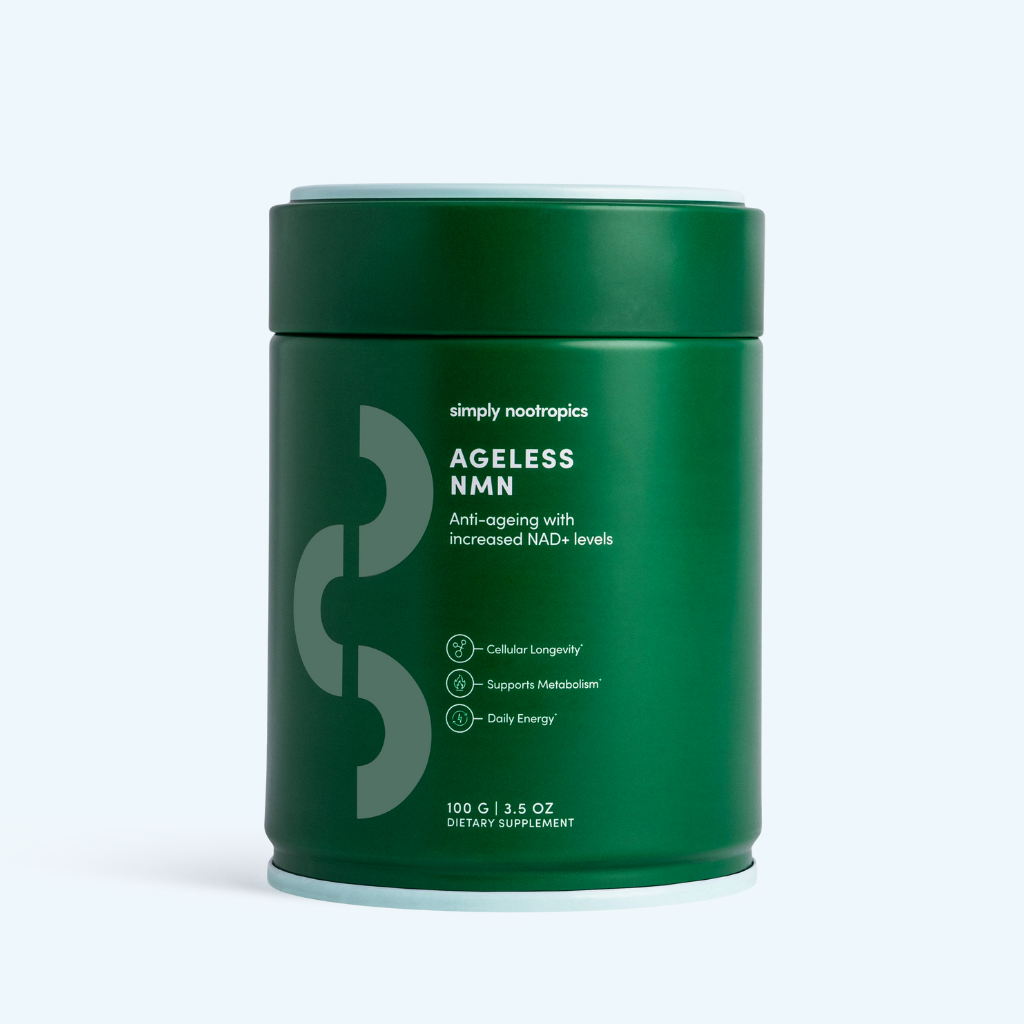
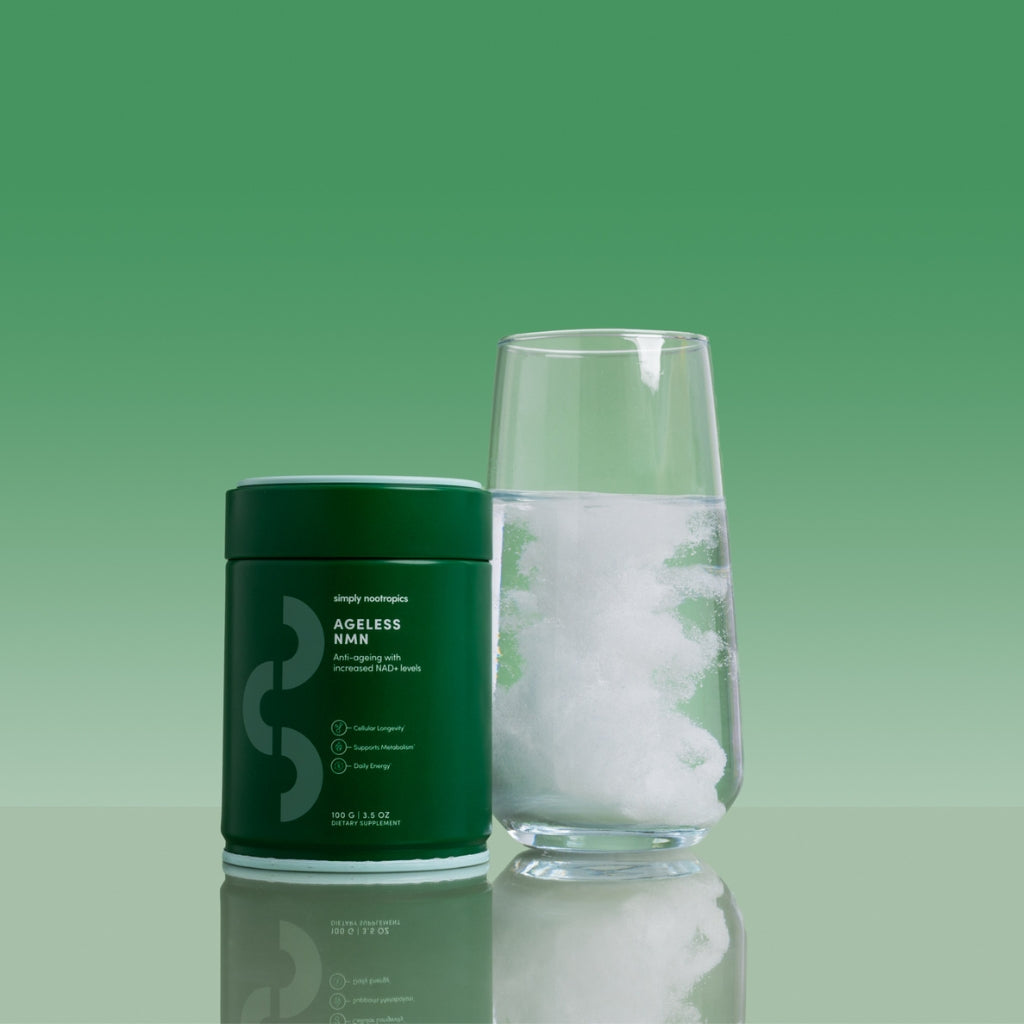
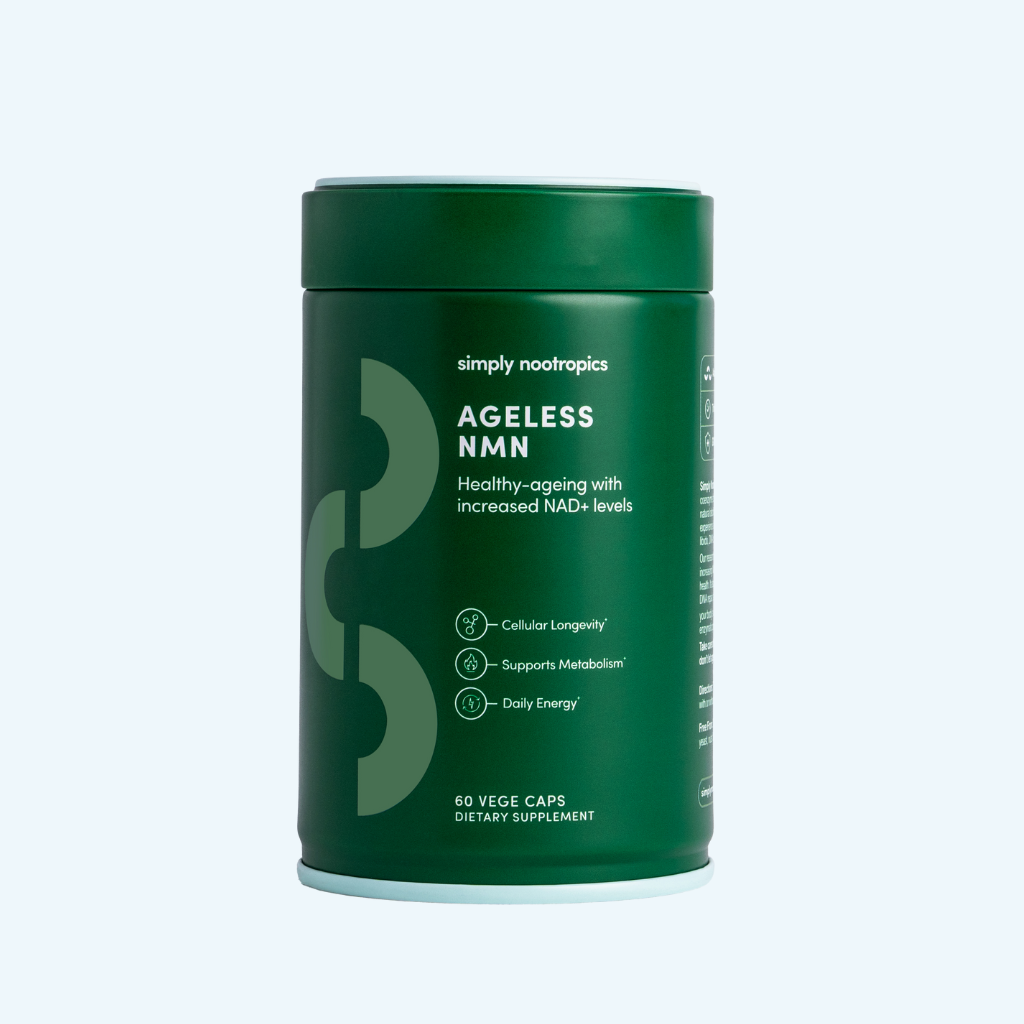
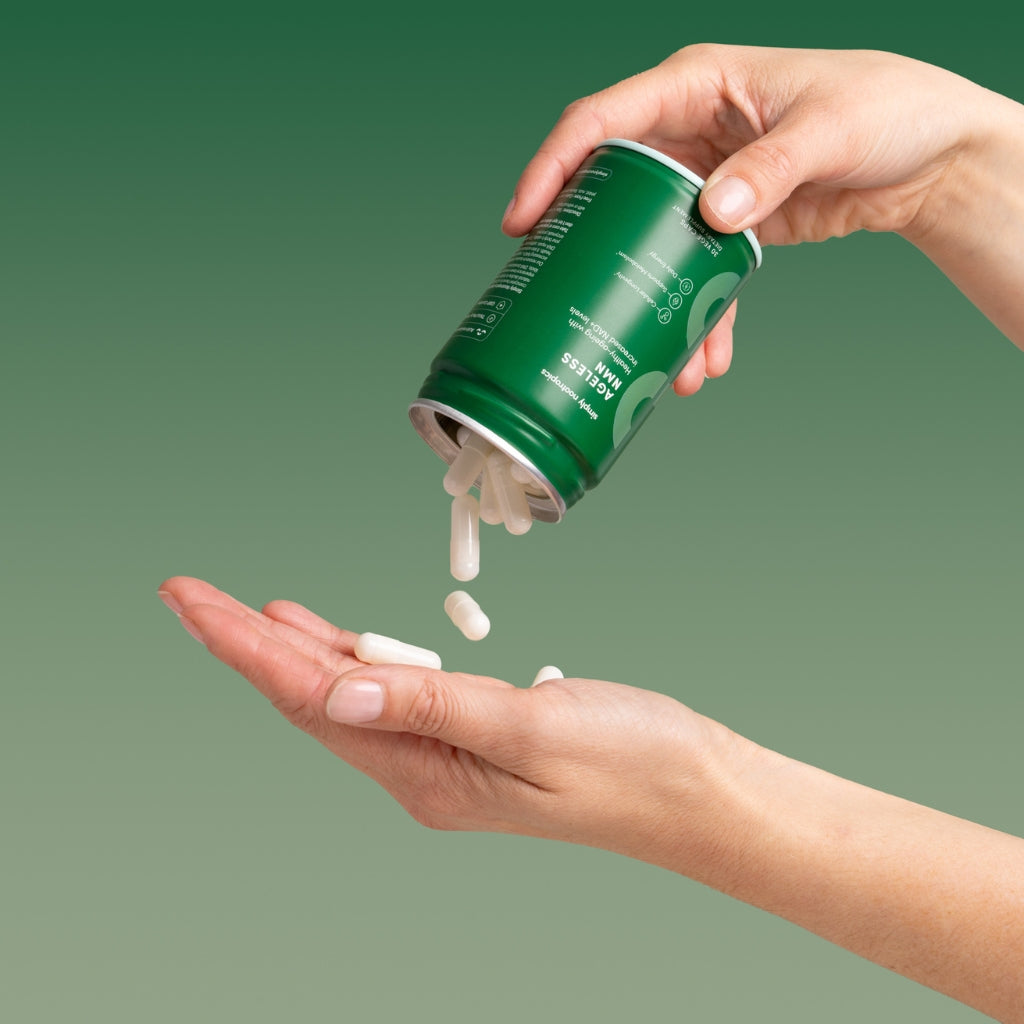
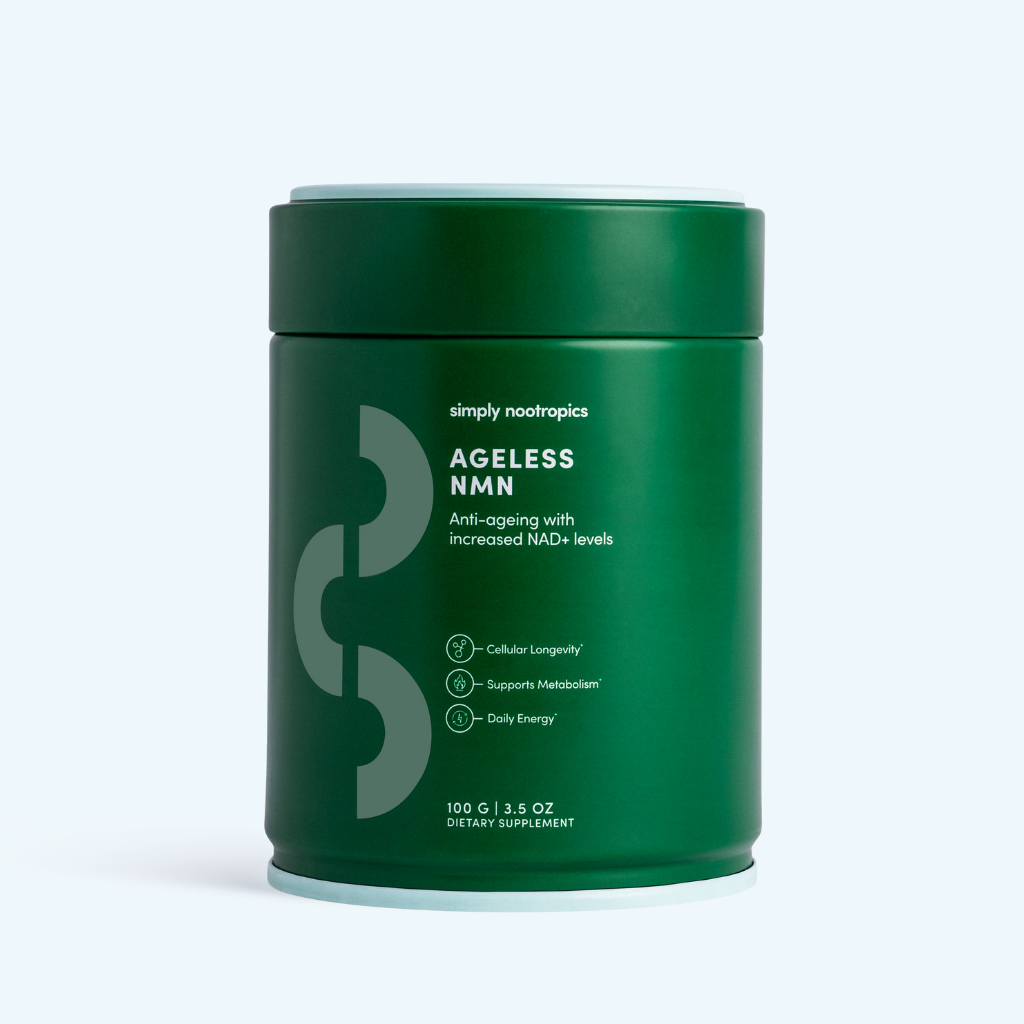
NMN (nicotinamide mononucleotide) is a direct precursor to NAD+, meaning your body uses it to produce more of the coenzyme your cells need. Ageless NMN is formulated specifically to support that process, helping maintain the NAD+ levels your mitochondria rely on to keep energy production running efficiently.
The results people notice on Ageless NMN – better energy, sharper focus, faster recovery – make a lot more sense when you understand what NAD+ actually does at the cellular level. And those benefits compound when the basics are already in place. Which brings it back to water. Stay hydrated, support your NAD+ levels with Ageless NMN, and you're giving your cells what they actually need to keep up.