

Most men do not notice it happening: the energy dips a little, the motivation flattens. The body composition starts to shift in ways that feel frustrating and hard to explain. Recovery takes longer. The mental sharpness that used to feel effortless starts requiring more effort.
By the time the signs are obvious, testosterone levels have often been declining for years. Research consistently shows that men lose roughly 1-2% of their testosterone each year after 40, and for most, lifestyle factors are accelerating that decline far beyond the natural rate.
The good news is that many of those factors are within your control.
What Is Actually Happening After 40
Testosterone is produced primarily in the testes, with production regulated by a hormonal feedback loop involving the brain. As men age, this loop becomes less responsive. The signals weaken, production slows, and free testosterone, the biologically active form your body actually uses, drops faster than total testosterone measurements often reveal.
The downstream effects go well beyond libido. Testosterone plays a role in muscle maintenance, bone density, fat metabolism, mood, cognitive sharpness, and energy regulation. When levels decline, all of these systems feel it. What men often write off as "just getting older" (the mental fog, the flattening drive, the slower recovery after exercise, the reduced capacity to handle stress) is frequently a hormonal story as much as an ageing one. Understanding that distinction matters, because one is largely fixed and the other is not.
The critical point is that natural age-related decline is one thing. Accelerated decline driven by poor sleep, chronic stress, and lifestyle factors is another, and the second category is where most men are actually losing ground.
Sleep Is the Most Underestimated Factor
The majority of daily testosterone production happens during sleep, specifically during the deep, slow-wave stages. Studies have shown that sleep-deprived men can experience significant drops in testosterone levels within just a few days. This is not a marginal effect, it is one of the most direct levers for hormonal health that exists, and it is almost entirely ignored in mainstream conversations about testosterone.
Quality matters as much as quantity. Fragmented sleep, difficulty falling into deep sleep stages, or consistently waking through the night all undermine the hormonal restoration that should be happening overnight.
A man sleeping six broken hours is not getting the same testosterone output as a man sleeping seven uninterrupted ones, even if both feel "fine" the next morning. Addressing sleep quality is not a workaround for low testosterone: for many men, it is the primary intervention.
Stress Is Silently Tanking Your Levels
Cortisol and testosterone operate in direct opposition. When cortisol is chronically elevated, as it is for most men living under sustained professional, financial, or relational pressure, testosterone production is suppressed. The body deprioritises reproductive and anabolic functions when it perceives itself to be under threat. That is a useful short-term survival mechanism and a damaging long-term pattern.
The problem is that modern stress does not resolve the way acute physical stress does. It stays elevated, low-grade, and persistent. Over months and years, this creates the hormonal environment in which testosterone decline accelerates most aggressively.
Managing stress is not optional if testosterone is the goal. Breathwork, adequate recovery time, quality sleep, and consistent movement all reduce the chronic cortisol load that suppresses testosterone. Getting the stress response under control is foundational, it is the ground on which every other intervention either stands or collapses.
Body Composition Creates a Feedback Loop
Body fat (particularly visceral fat around the abdomen) contains an enzyme called aromatase that converts testosterone into oestrogen. The more visceral fat a man carries, the more of his testosterone is converted, which then makes it harder to lose the fat, which drives further conversion. It is a feedback loop that accelerates testosterone decline independently of age.
Resistance training is the most effective tool for breaking this cycle. It builds lean muscle tissue, reduces visceral fat, and directly stimulates testosterone production through the mechanical demands it places on the body. The key is consistency. Three to four sessions per week, sustained over months, produces hormonal changes that no supplement can replicate on its own.
Nutrition amplifies this. Adequate dietary fat, particularly from whole food sources like eggs, olive oil, and fatty fish, supports the cholesterol that testosterone is synthesised from. Zinc, found in meat, shellfish, pumpkin seeds, and legumes, is a critical cofactor in testosterone production that many men are chronically low in.
The Habits That Protect Testosterone Most
The pattern that protects testosterone over time is not complicated, but it requires consistency across several fronts simultaneously. Deep, uninterrupted sleep. Managed stress. Regular resistance training. Adequate dietary fat and zinc. A body composition that avoids excess visceral fat.
Each of these works independently. Together, they create the conditions in which your body can maintain healthy testosterone levels well past 40, not by fighting the natural decline, but by removing the lifestyle-driven acceleration that turns a gradual shift into a steep one.
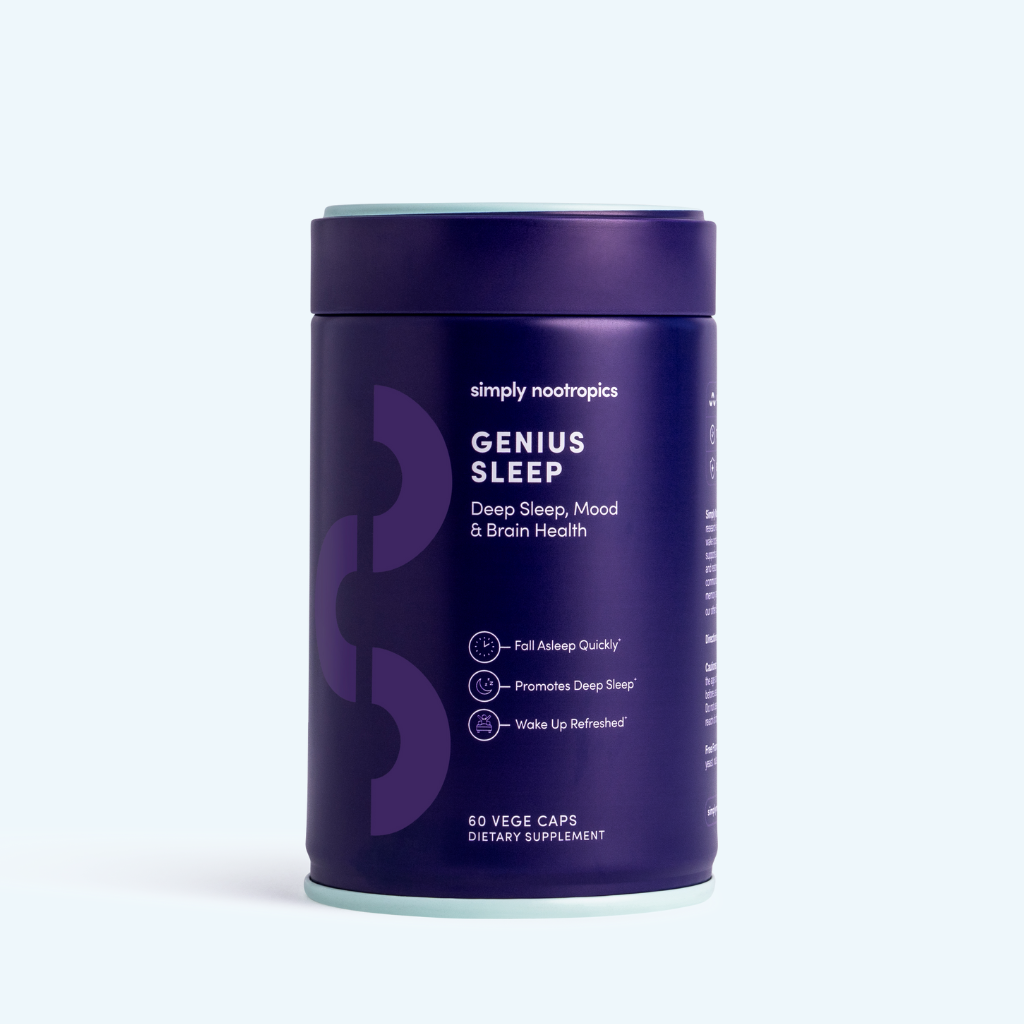
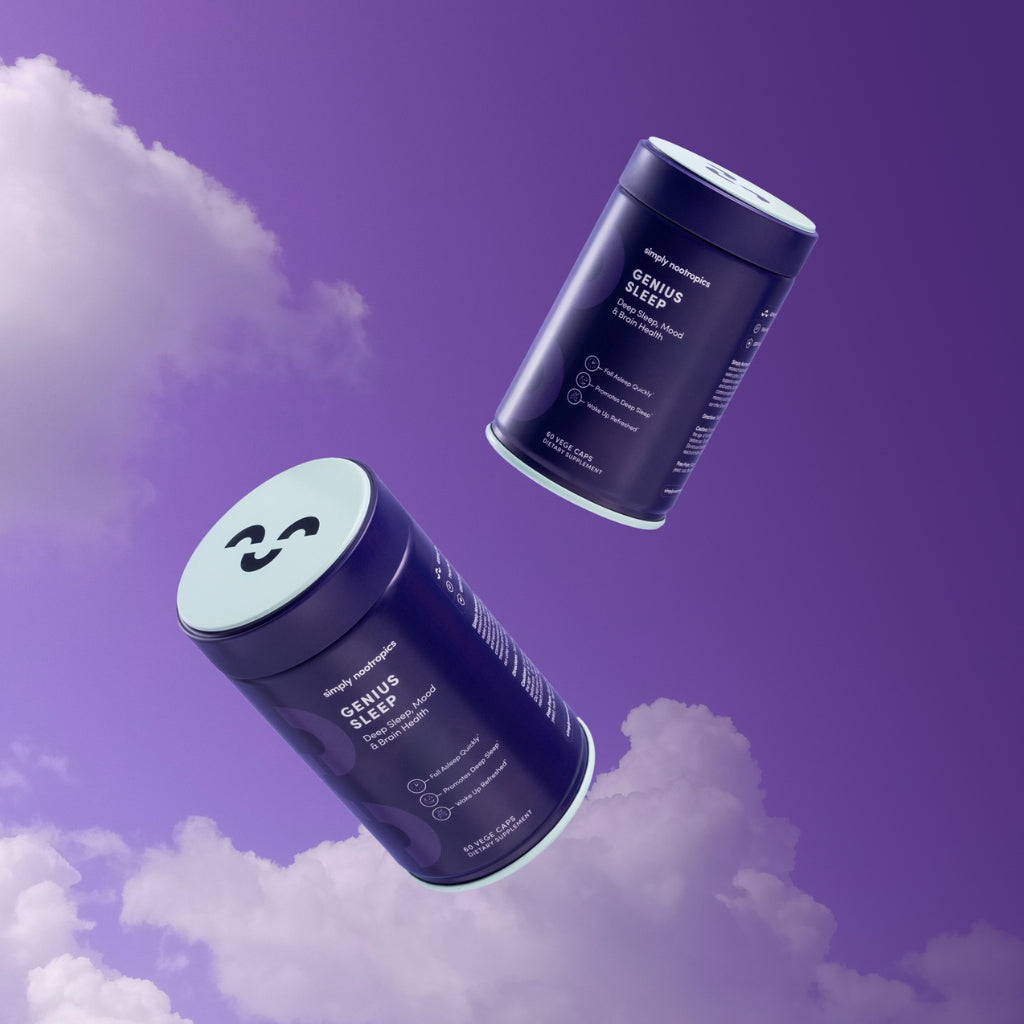
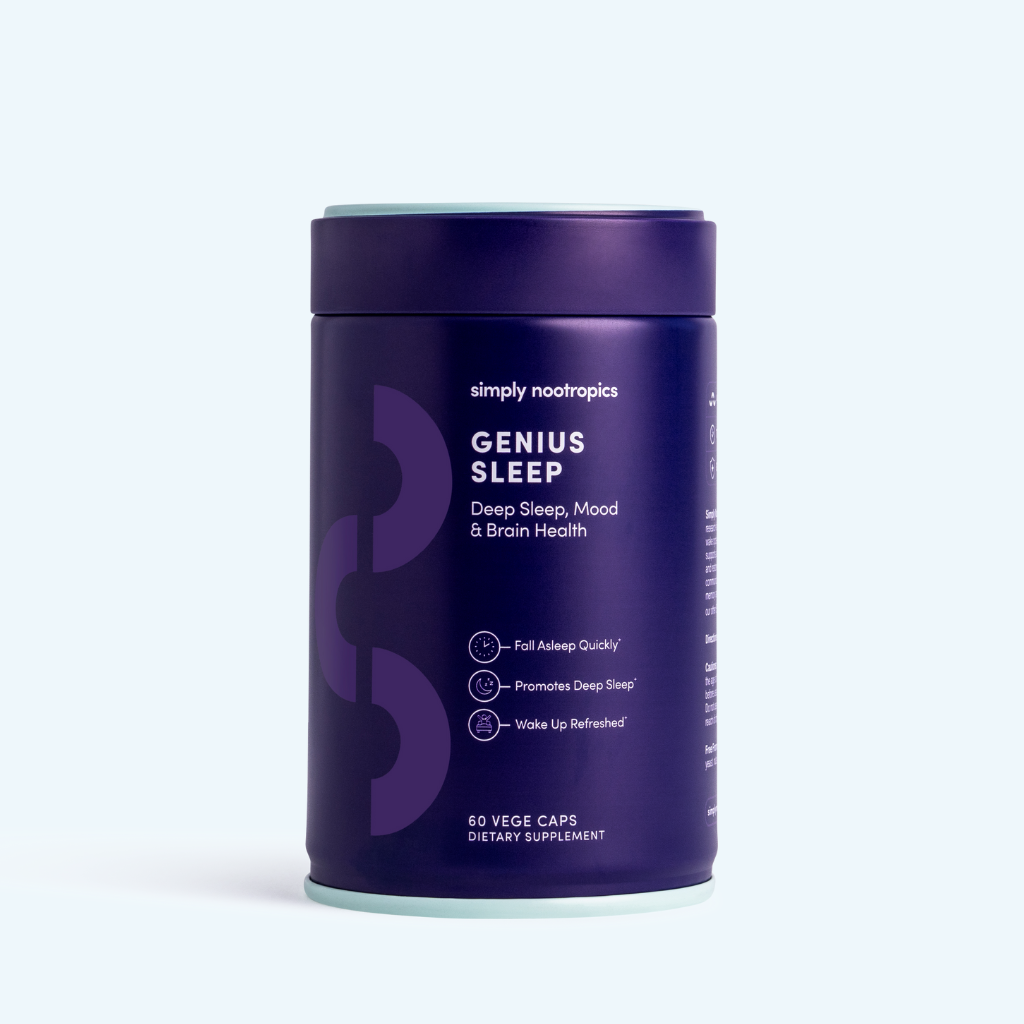
Product Spotlight: Genius Sleep
Sleep is where testosterone is made, which means the quality of your sleep is directly tied to the hormonal output of the next day. Genius Sleep is designed to support deep, restorative sleep through seven clinically-backed ingredients. Reishi Mushroom Extract (400mg, equivalent to 4,800mg whole mushroom) supports relaxation and stress reduction, helping the body shift out of the high-cortisol state that suppresses both sleep quality and testosterone. Magnesium Bisglycinate (280mg) supports deep sleep and nervous system recovery.
L-Tryptophan aids natural melatonin production to regulate your sleep cycle, while Tart Cherry Extract reinforces this with its own natural melatonin content and anti-inflammatory properties. Passionflower Extract and L-Theanine work together to calm the mind and reduce the anxiety that keeps so many men lying awake at night. Zinc Gluconate rounds out the formula, a mineral that plays a direct role in testosterone synthesis and is one of the most common deficiencies in men over 40.
Two capsules at bedtime, taken consistently each night: that is the entire routine. For men serious about protecting their testosterone levels long-term, the bed is where the work begins.