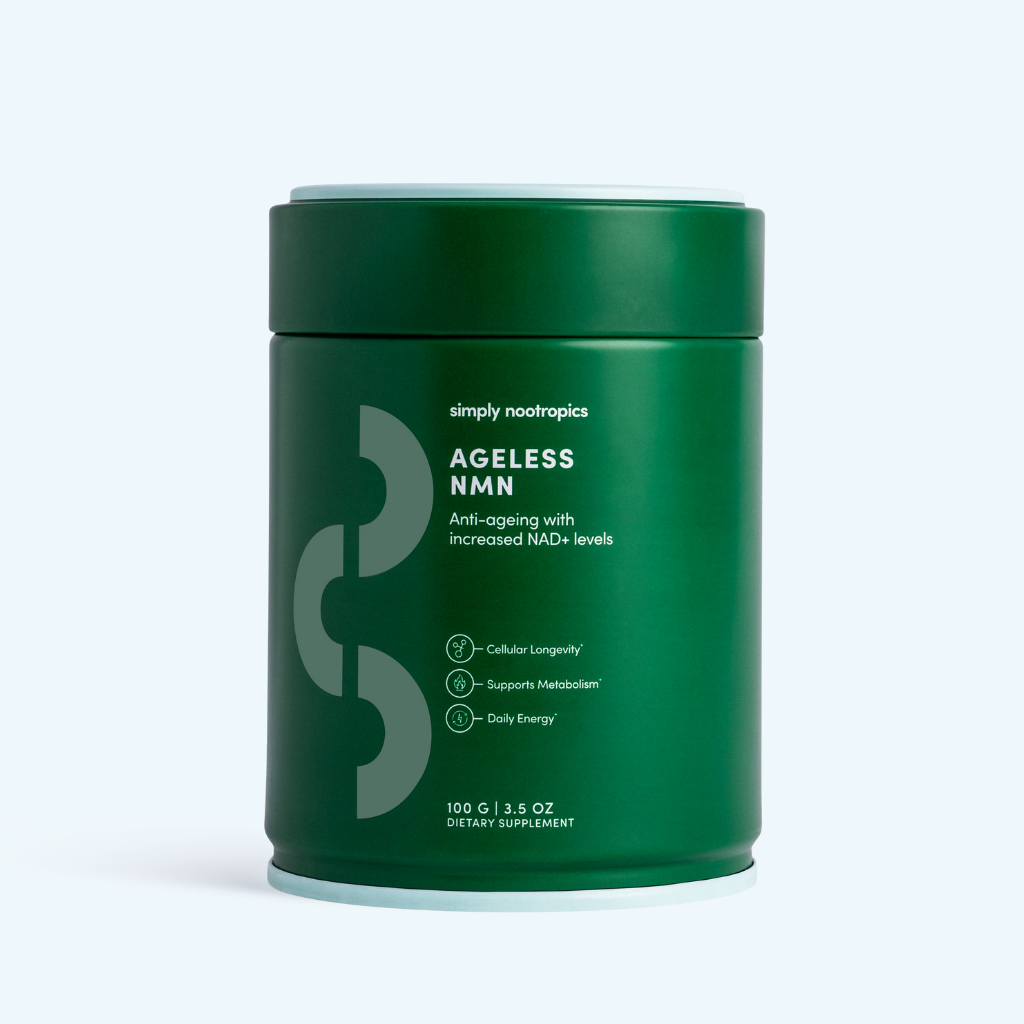

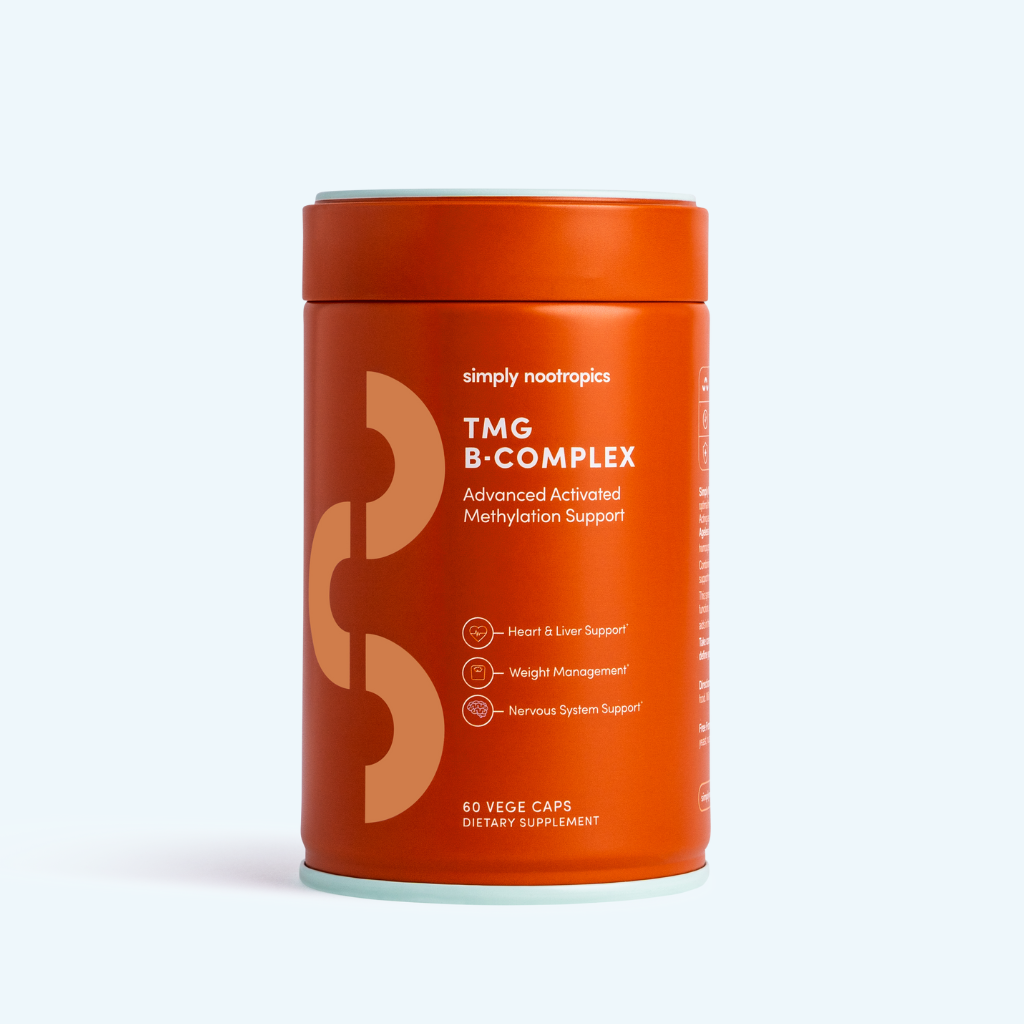
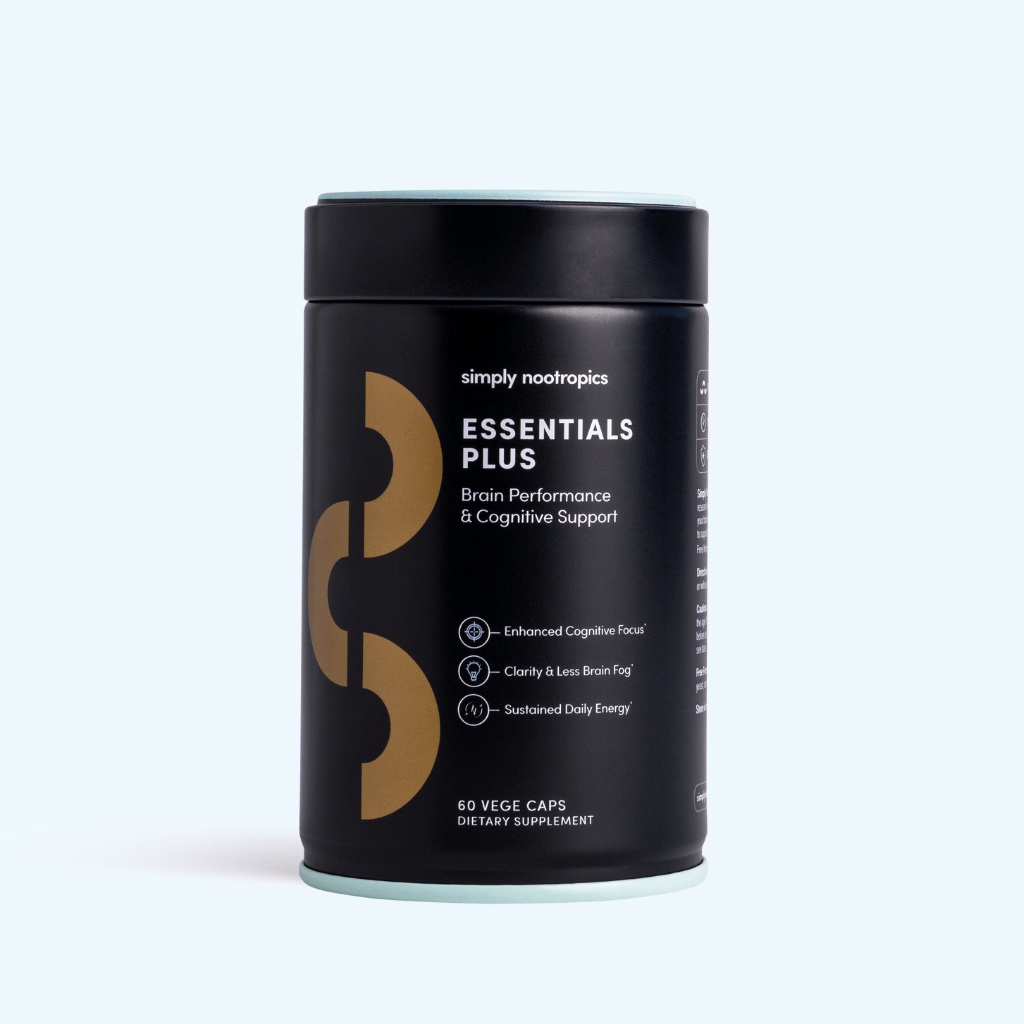





Ask anyone with a bedtime routine what they take before lights out, and magnesium will come up within seconds. It has become the go-to recommendation for restless sleepers everywhere, praised in podcasts, group chats, and late-night scrolling sessions alike. The claims sound almost too good: fall asleep faster, wake less often, feel calmer by default.
So it is fair to ask the obvious question. Does magnesium actually help you sleep, or has the hype outrun the evidence? The honest answer is that it depends heavily on which form of magnesium you take and what your body is working with in the first place.
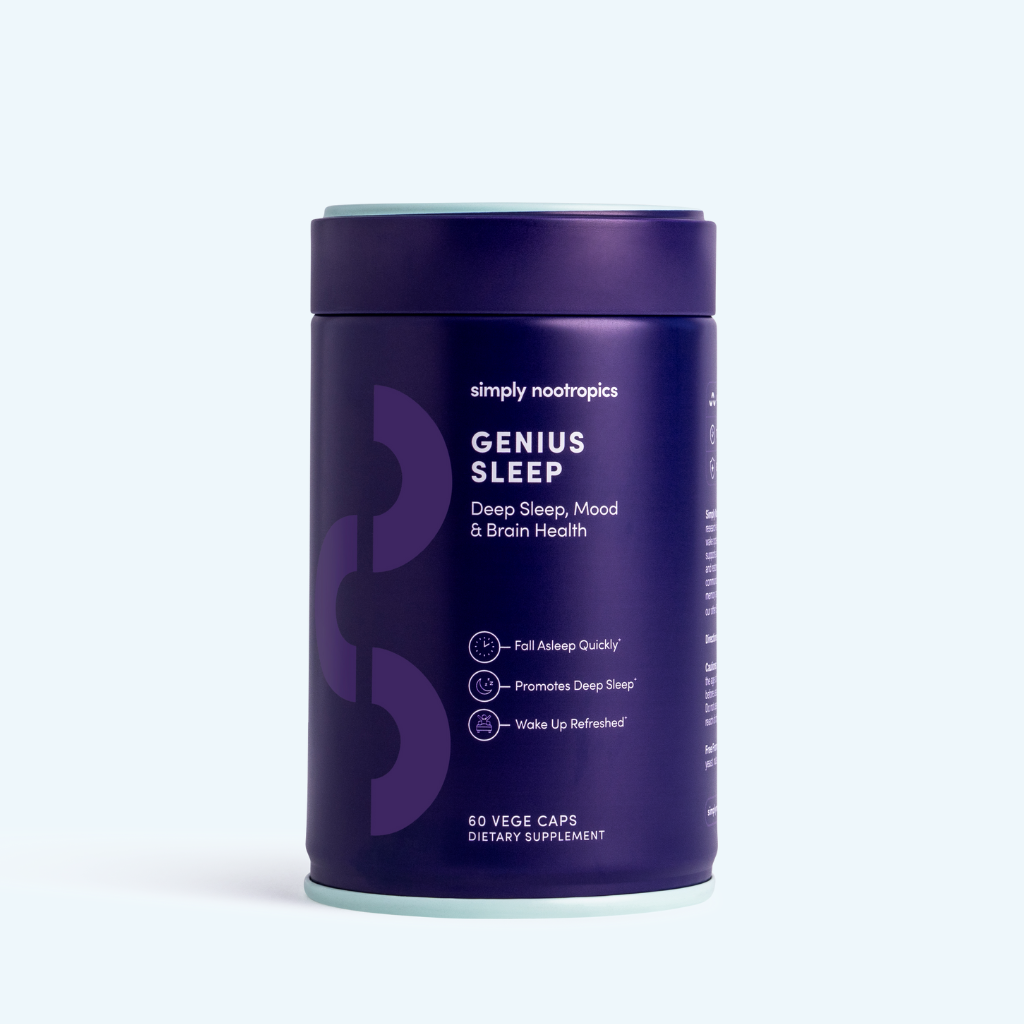
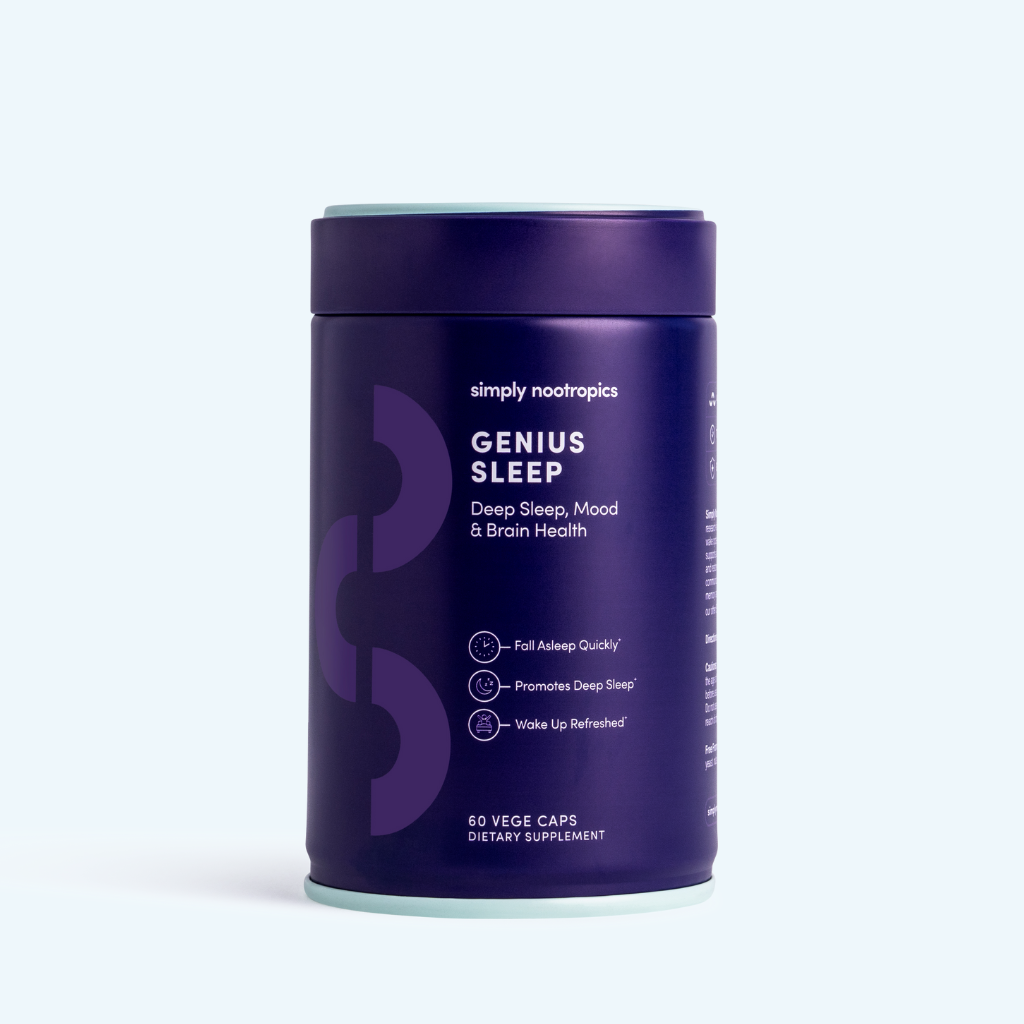
That balance between calming support and real absorption is exactly why magnesium bisglycinate earned its place in Genius Sleep alongside other rest-focused ingredients. Before we get to that, it helps to understand what this mineral actually does once it enters your body, because the sleep story starts much deeper than a capsule on your nightstand.
What Magnesium Actually Does in Your Body
Magnesium is involved in hundreds of enzymatic processes, from energy production to muscle function to nerve signalling. Your body cannot make it, so every milligram has to come from food or supplementation.
Most relevant to sleep, magnesium plays a role in regulating the nervous system. It supports the activity of GABA, a neurotransmitter that helps quiet neural activity as you wind down, and it contributes to normal muscle relaxation, which explains the heavy, settled feeling many people describe after taking it.
Magnesium also participates in the body's production of melatonin, the hormone that signals to your brain that darkness has arrived and rest should follow. None of this makes magnesium a sedative.
It does not knock you out the way sleep medication does. Instead, it supports the conditions your body needs to transition into sleep naturally, which is a subtle but important distinction.
So Does It Really Improve Sleep?
Studies suggest that people with lower magnesium levels tend to report poorer sleep quality, and that supplementation can support faster sleep onset and a more settled night, particularly in those who were not getting enough of the mineral to begin with.
The effect appears strongest when a shortfall exists. If your levels are already optimal, adding more will not stack extra benefits on top. Scientists are still mapping exactly how much of the benefit comes from magnesium's role in GABA activity, how much from melatonin support, and how much from muscle relaxation.
What they broadly agree on is that adequate magnesium is one of the foundations of healthy sleep, alongside consistent bedtimes, morning light, and a wind-down routine. That framing matters, because it sets realistic expectations. Magnesium will not fix a bedroom that doubles as an office or a caffeine habit that stretches into the evening.
What it can do is remove a hidden obstacle that keeps your nervous system from settling when everything else is in place. In other words, magnesium is not magic. It is maintenance, and a surprising number of people have been skipping it.
Why the Form of Magnesium Matters
Magnesium supplements vary enormously in how well the body absorbs them, and this is where many people go wrong. Magnesium oxide, the form found in many cheap supplements, has poor bioavailability, which means much of it passes through you without being absorbed.
Magnesium citrate absorbs better but has a well-known laxative effect that makes it a risky choice before bed. Magnesium bisglycinate takes a different approach: the mineral is bound to two molecules of glycine, an amino acid with calming properties of its own. This pairing makes the magnesium highly bioavailable and gentle on the stomach, and the glycine adds its own contribution to relaxation.
For sleep specifically, bisglycinate is widely considered one of the most suitable forms, because it delivers absorbable magnesium without digestive drama and pairs it with a compound that supports the same wind-down goal.
Signs Your Magnesium Intake Might Be Falling Short
Low magnesium intake is common, partly because modern diets lean heavily on processed foods and partly because soil mineral content has declined over decades of intensive farming. Your body gives quiet hints when intake falls short:
-
Muscle twitches and cramps show up as a classic sign, especially at night.
-
Sleep feels restless or leaves you unrefreshed in the morning.
-
Tension lingers even on calm days.
-
Fatigue does not match your activity levels.
These signs overlap with plenty of other causes, so they are prompts for reflection rather than a diagnosis. If several of them sound familiar and your plate rarely features leafy greens, nuts, seeds, or legumes, your magnesium intake deserves a closer look before you blame your mattress.
How to Use Magnesium for Better Sleep
Food comes first. Pumpkin seeds, almonds, spinach, black beans, and dark chocolate all deliver meaningful amounts of magnesium, and building them into your meals raises your baseline without any capsules involved.
This is where supplementation earns its role: a well-formulated supplement gives you a precise, absorbable dose of magnesium every night, no matter what dinner looked like. Timing matters too. Taking magnesium in the evening, roughly thirty to sixty minutes before bed, aligns its calming support with your natural wind-down.
Pair it with the habits that magnesium cannot replace: dim the lights, put the phone away, keep your room cool, and go to bed at a consistent time. Magnesium supports the machinery of sleep, but your habits still operate it.
Magnesium and Its Best Friends in One Formula
Genius Sleep was built around the idea that good sleep rarely comes from a single ingredient.
Each dose delivers 280mg of magnesium bisglycinate, the highly absorbable, stomach-friendly form covered above, alongside a team of complementary ingredients: L-Theanine and Passionflower to support a calm mind, L-Tryptophan as a building block for melatonin, Tart Cherry as a natural source of it, Reishi mushroom for its traditional role in relaxation, and Zinc to round out the mineral support.
Take two capsules at bedtime or up to an hour before you plan to sleep, and let the formula work with your wind-down routine rather than against it. If you have been wondering the same question this whole article asks, Genius Sleep is a well-designed place to find your answer.