

Most of us only think about our bones when something goes wrong. Yet your skeleton is living tissue that rebuilds itself throughout your life, and the way you eat, move and rest shapes how well it holds up in later decades.
The encouraging part is that bone responds to what you ask of it at any age. Here’s what changes as you get older, and the habits that make the biggest difference.
How Your Bones Change Over Time
Your body breaks down old bone and builds new bone all the time. When you’re young, building wins, and bone mass climbs steadily. According to the Bone Health & Osteoporosis Foundation, most people reach peak bone mass between the ages of 18 and 25.
From there, the balance slowly shifts. Breakdown starts to outpace rebuilding, and bone density falls little by little each year. For women, the shift speeds up sharply around menopause, when falling oestrogen removes one of bone’s main protective signals. The same foundation reports that women can lose up to 20% or more of their bone density in the five to seven years after menopause.
Men lose bone too, but usually later and more gradually. Either way, the goal stays the same: keep as much bone as you can for as long as you can.
Why Bone Health Matters for Healthy Ageing
Strong bones do more than prevent fractures. They support your posture, protect your organs and let you stay active and independent.
Bone and muscle also work as a team. Muscles pull on bone every time you move, and that pull is one of the main signals that tells bone to stay strong. So when muscle declines with age, bone often follows.
Move in Ways That Load Your Bones
Bone responds to force. Activities that put weight or impact through your skeleton tell it to keep building, while low-load activities like swimming and cycling do less for bone (even though they’re great for your heart).
Strength training stands out here. In the LIFTMOR trial, postmenopausal women with low bone mass did supervised high-intensity resistance and impact training twice a week. After eight months, their bone density at the spine and hip improved compared with a low-intensity home programme, and their physical function improved too.
You don’t need to start with heavy weights. These habits all help:
-
Lift weights or use resistance bands two to three times a week, and increase the load gradually.
-
Add small impacts like stair climbing, skipping or heel drops if your joints allow it.
-
Walk briskly most days, since walking is weight-bearing even though it’s gentle.
-
Work with a trainer or physio if you’re new to strength training or already have low bone density.
Train Your Balance to Prevent Falls
Most fractures in later life happen because of a fall, so staying steady on your feet matters as much as bone density. A Cochrane review found that exercise programmes cut the rate of falls in older adults by around 23%, and programmes built around balance and functional movements showed the strongest evidence.
Simple ways to build balance into your day:
-
Stand on one leg while you brush your teeth, then switch sides.
-
Try tai chi, yoga or Pilates, which train balance and control together.
-
Practise getting up from a chair without using your hands.
Eat for Strong Bones
Your bones need a steady supply of raw materials, and a few nutrients do most of the heavy work.
Calcium is the main mineral in bone. Dairy, fortified plant milks, tinned fish with soft bones, tofu and leafy greens are all good sources.
Vitamin D helps your body absorb calcium. Sunlight is the main source, which is why levels often dip in darker months. Oily fish and eggs help too, and some people need a supplement, so it’s worth asking your doctor to check your levels.
Protein is often overlooked. Around half of bone’s volume is a protein framework, and calcium sits within it. A meta-analysis in older adults linked higher protein intake to an 11% lower risk of hip fracture.
Practical ways to cover the basics:
-
Include a protein source at every meal, such as eggs, yoghurt, fish, legumes or lean meat.
-
Aim for two or three calcium-rich foods each day.
-
Spend time outdoors in daylight when you can.
-
Keep alcohol moderate, since heavy drinking interferes with bone building.
Where Collagen Fits In
When people think of bone, they usually picture calcium. But the framework that calcium attaches to is made mostly of collagen, and type I collagen makes up around 90% of the protein in bone. That framework gives bone its flexibility, so it can absorb force instead of snapping.
Your body makes less collagen as you age, and researchers have started to look at whether collagen peptides can help. In a 12-month study of postmenopausal women with reduced bone density, those who took 5 g of specific collagen peptides each day saw bone density rise by about 3% at the spine and 6.7% at the hip, while the placebo group lost bone. It was one study using a particular type of peptide, so larger trials are still needed, but it’s an interesting area to watch.
Give Your Body the Building Blocks
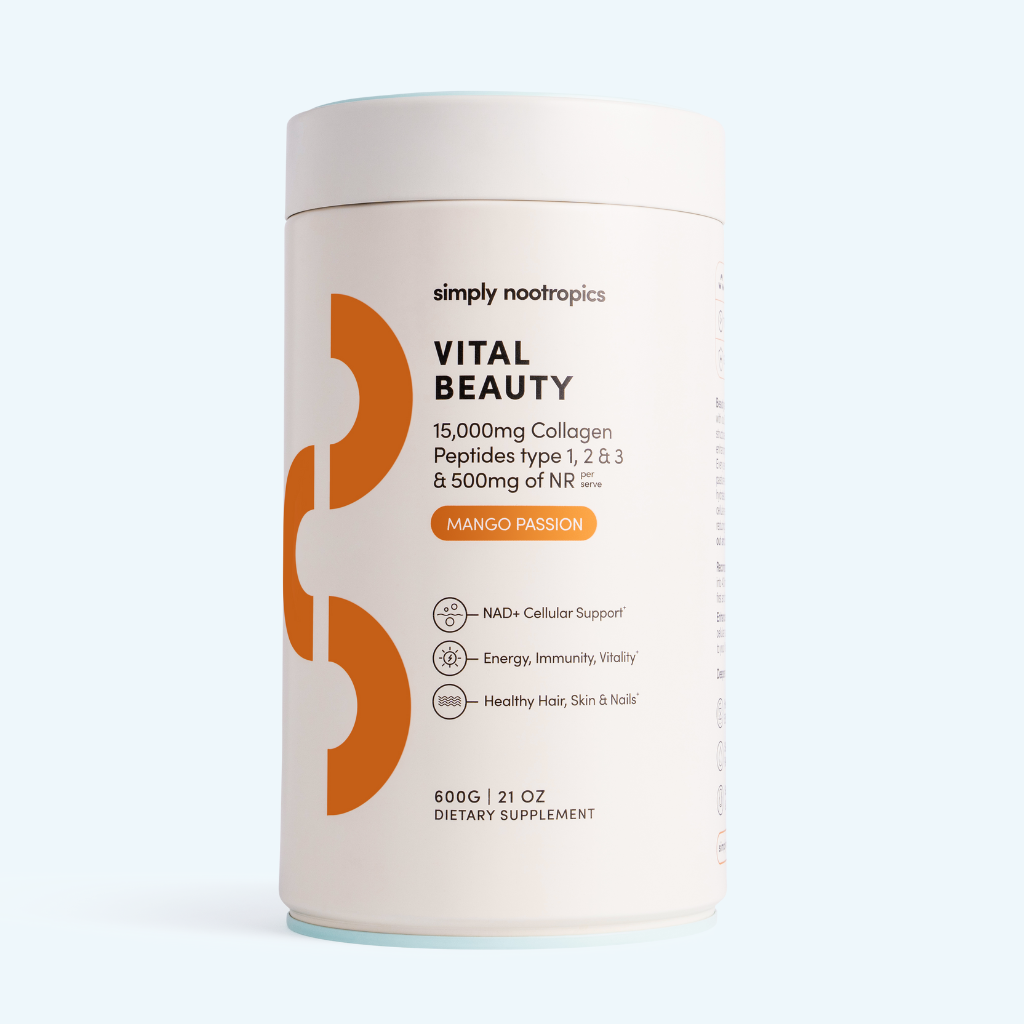
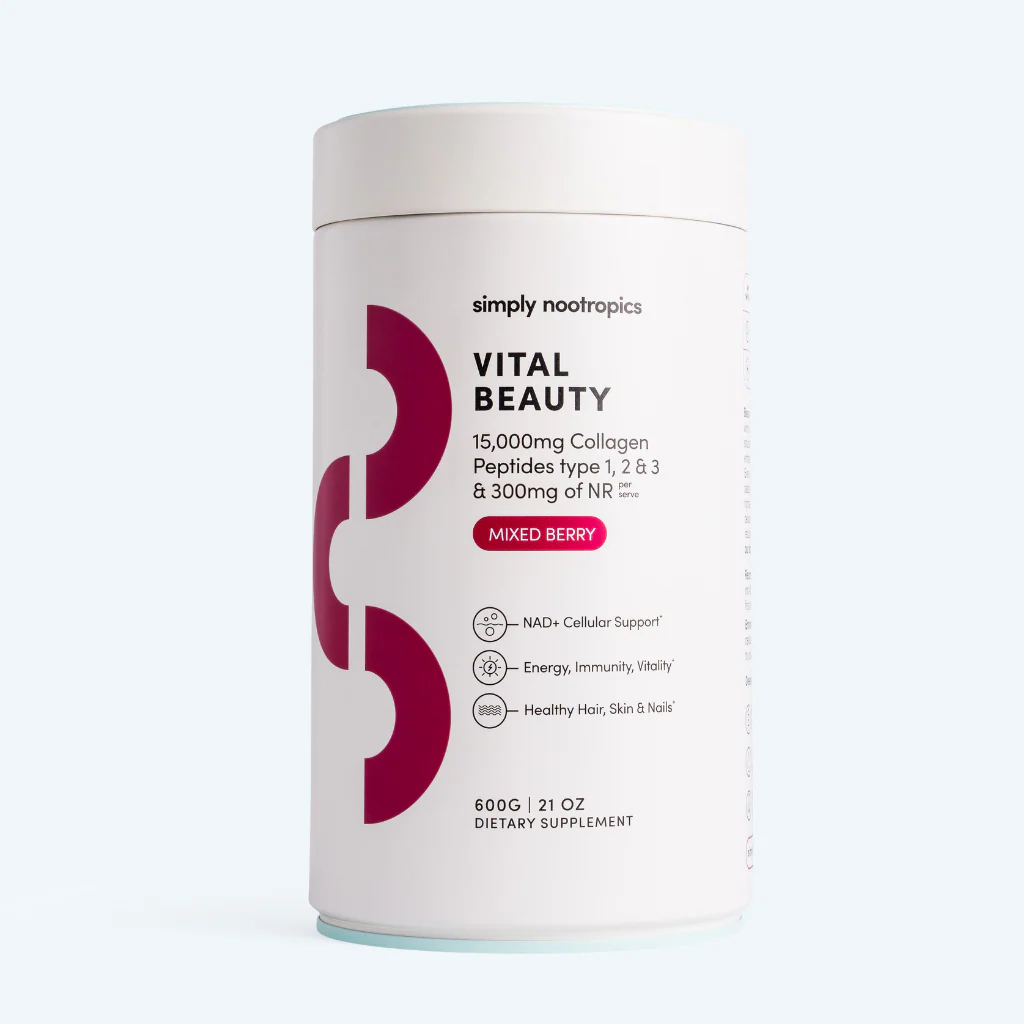
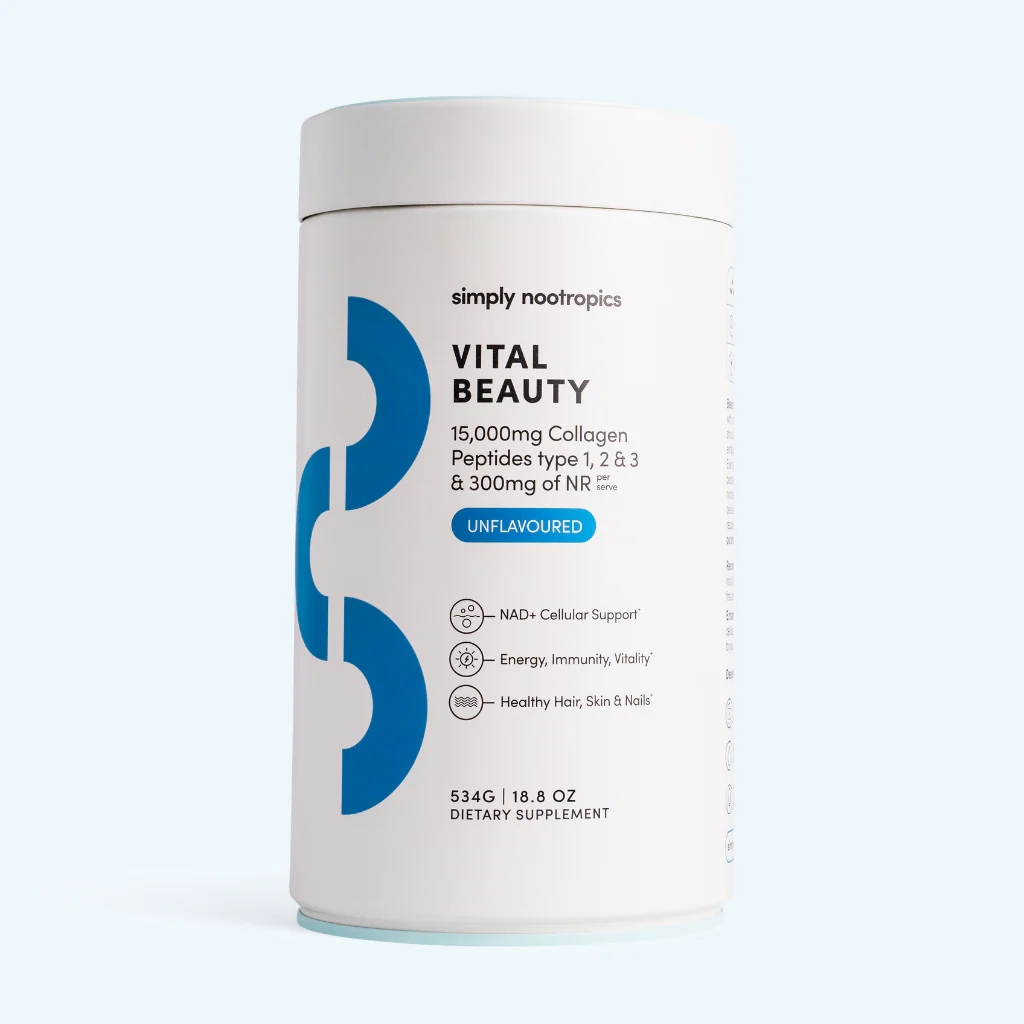
Since collagen forms the framework of your bones, skin and joints, it makes sense to keep it on your daily menu. Vital Beauty Collagen gives you a simple daily serving of collagen peptides that dissolves into your morning coffee, smoothie or warm water.
Choose Unflavoured to mix into anything, or try Mixed Berry or Mango Passion for a ready-made treat. Pair Collagen Beauty with your strength sessions and a protein-rich breakfast, and you’ll cover more of your bones’ daily needs in one easy step.