

Most of us think about protein as a daily total. We add up the grams, hit a number and assume the job is done. Research on protein distribution shows that timing matters too, and it matters more from midlife onwards. Your muscles respond best when protein arrives in steady amounts at every meal, not in one large serving at dinner.
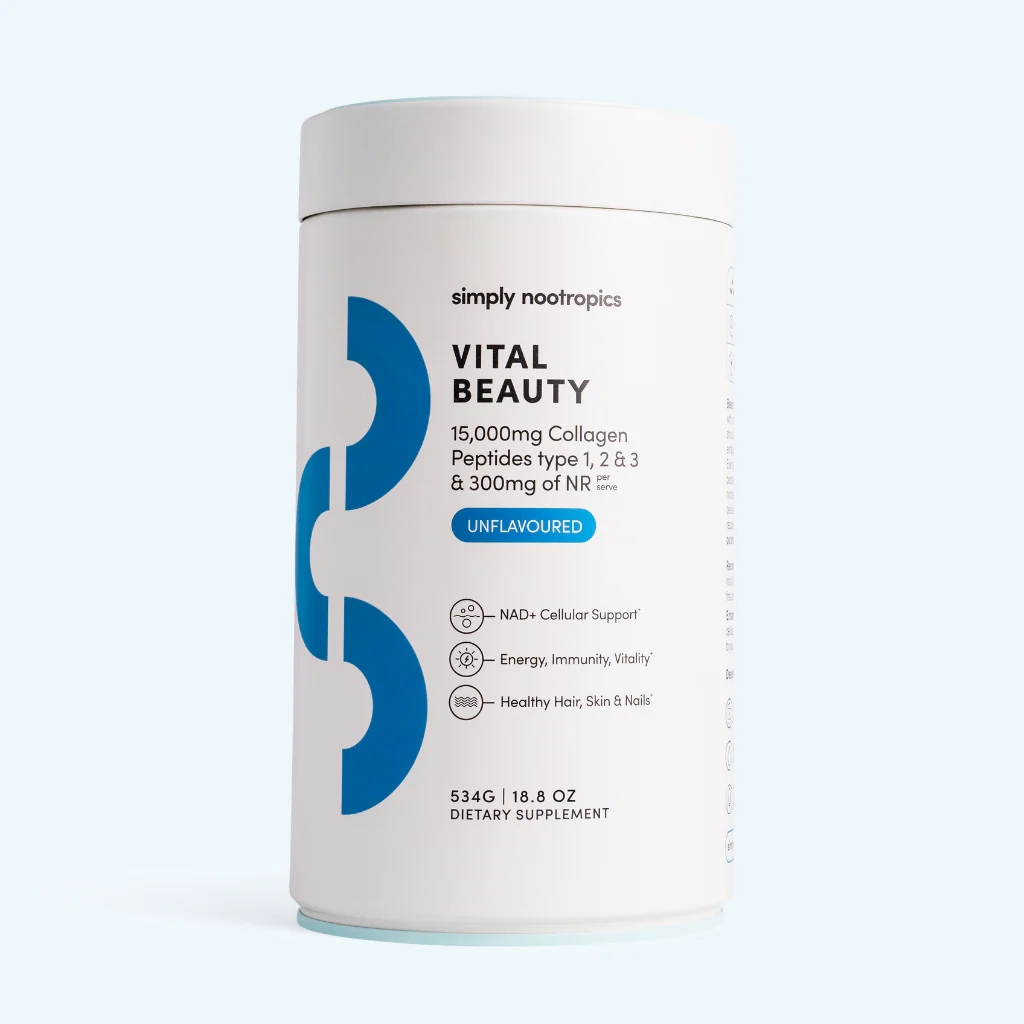
The typical day runs the other way. Breakfast is toast or cereal, lunch is light, and dinner carries most of the day’s protein. Stirring Vital Beauty Collagen into your morning smoothie or yoghurt is one simple way to bring more protein into those lighter meals, and it gives your skin the collagen it relies on at the same time.
What Happens to Your Muscles as You Age
Your body breaks down and rebuilds muscle every day. Protein from food supplies the amino acids it uses for the rebuilding, a process called muscle protein synthesis.
With age, muscle responds less strongly to the protein we eat. Researchers call this anabolic resistance, and it means older adults need more protein in a single meal to get the same response.
In a study from McMaster University, older men needed around 0.4g of protein per kilogram of body weight in one meal to fully stimulate muscle protein synthesis. Younger men reached the same response with roughly 0.24g per kilogram.
For a 70kg adult, 0.4g per kilogram works out at about 28g of protein in one sitting. Many breakfasts and lunches fall well short of that.
Why Protein Distribution Changes the Result
A study in The Journal of Nutrition compared two ways of eating the same amount of protein in a day. One group ate about 30g at each of breakfast, lunch and dinner. The other group ate most of theirs in the evening.
The even pattern produced around 25% more muscle protein synthesis over 24 hours. The total stayed the same, and only the timing changed.
The same pattern appears in everyday life. In a large Canadian study of older adults, people who spread their protein evenly across their meals had greater muscle strength than people who ate most of it at one meal.
Strength matters well beyond the gym. It helps you carry the shopping, climb the stairs, get up from a low chair and keep your balance. Those everyday movements are what keep you independent for longer.
Does Protein at Dinner Still Count?
Dinner protein still counts towards your daily total, and it still feeds your muscles overnight. The issue is what happens when one meal carries most of the day.
Once a meal provides enough protein to fully stimulate muscle protein synthesis, extra protein at that sitting gives your muscles little additional benefit. Your body uses much of the surplus for energy instead. A 60g dinner after a 5g breakfast means one meal goes over the amount your muscles can use, while the other two fall short of it.
Moving some of that dinner protein to breakfast and lunch puts the same grams to better use.
How Much Protein Do You Need as You Age?
The PROT-AGE study group, an international panel of experts in ageing and nutrition, recommends that adults over 65 aim for 1.0g to 1.2g of protein per kilogram of body weight each day. That is more than the standard adult guideline.
Spread across three meals, the numbers give you a simple target:
-
Aim for around 25g to 30g of protein at breakfast, lunch and dinner.
-
Give breakfast the most attention, because it is usually the lowest-protein meal of the day.
-
Keep your evening portion moderate instead of saving most of your protein for dinner.
-
Add a protein-rich snack if larger meals feel like too much.
If you have a medical condition that affects your diet, talk to your GP before you raise your protein intake.
Easy Ways to Add Protein to Breakfast
Most people eat the least protein in the morning, so breakfast is the best place to start.
-
Scramble two or three eggs and serve them on wholegrain toast.
-
Top Greek yoghurt with nuts, seeds and berries.
-
Blend a smoothie with milk, Greek yoghurt, a banana and a scoop of Vital Beauty Collagen.
-
Stir a spoonful of nut butter and a scoop of collagen into your oats once they have cooled to warm.
-
Swap a pastry for cottage cheese on rye crackers with tomato.
Simple Protein Swaps for Lunch and Dinner
Lunch is often mostly bread and salad, with very little protein. A few small changes fix that.
-
Add a tin of tuna, a boiled egg or leftover chicken to your salad.
-
Choose lentil or bean soup, or stir chickpeas into a vegetable soup.
-
Fill wraps with smoked salmon, halloumi or tofu.
-
Build dinner around a palm-sized portion of fish, meat, tofu or legumes.
-
Fill half your dinner plate with vegetables so protein doesn’t crowd out the rest of the meal.
Why Your Skin Needs Protein Too
Muscle is not the only part of you that runs on protein. Collagen is the main structural protein in your skin, and it gives skin its firmness and elasticity. Your body makes less of it as you get older, which is one reason skin becomes thinner and drier with age.
Collagen peptides give your body the building blocks for its own collagen. A systematic review and meta-analysis of oral collagen studies found that taking hydrolysed collagen improved skin hydration and elasticity.
Spreading your protein across the day supports your skin as well as your muscles. A steady supply of amino acids means your body has what it needs to maintain both.
Make Every Meal Count With Vital Beauty Collagen
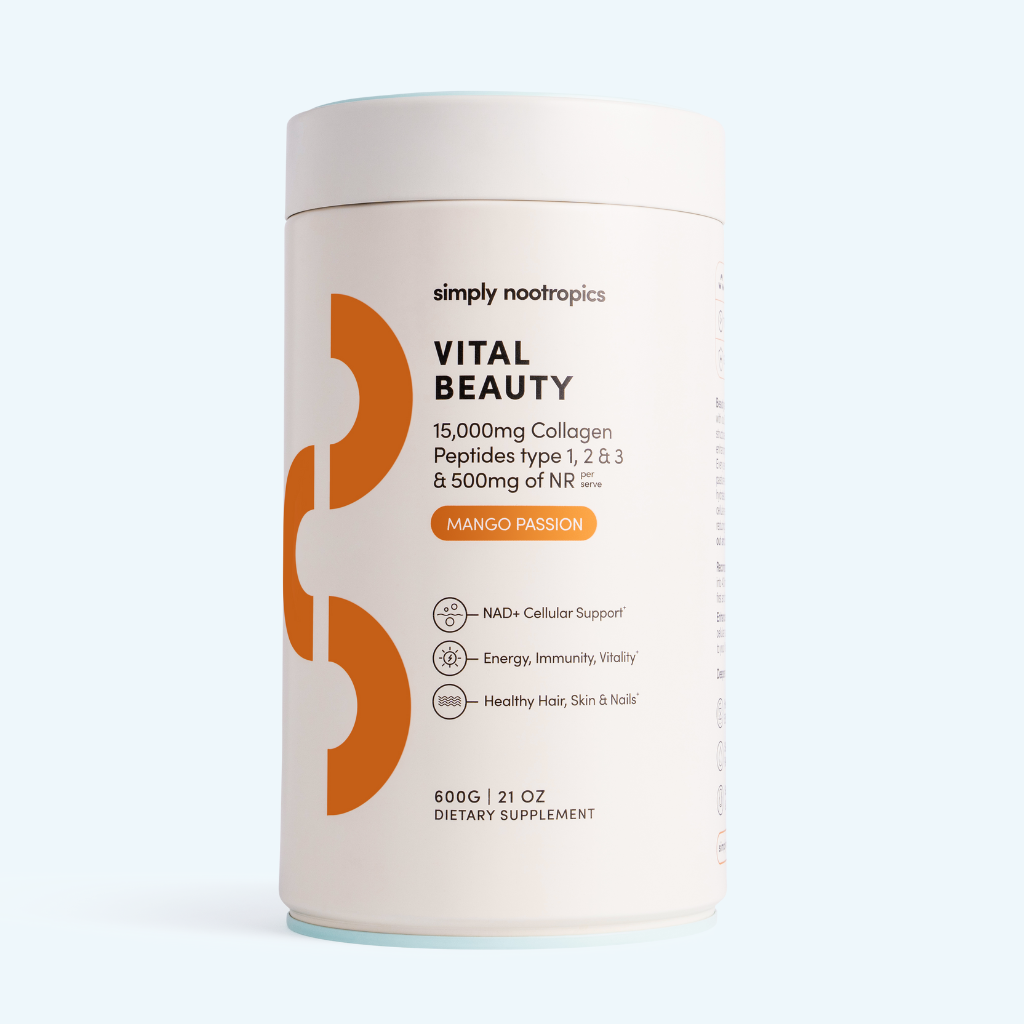
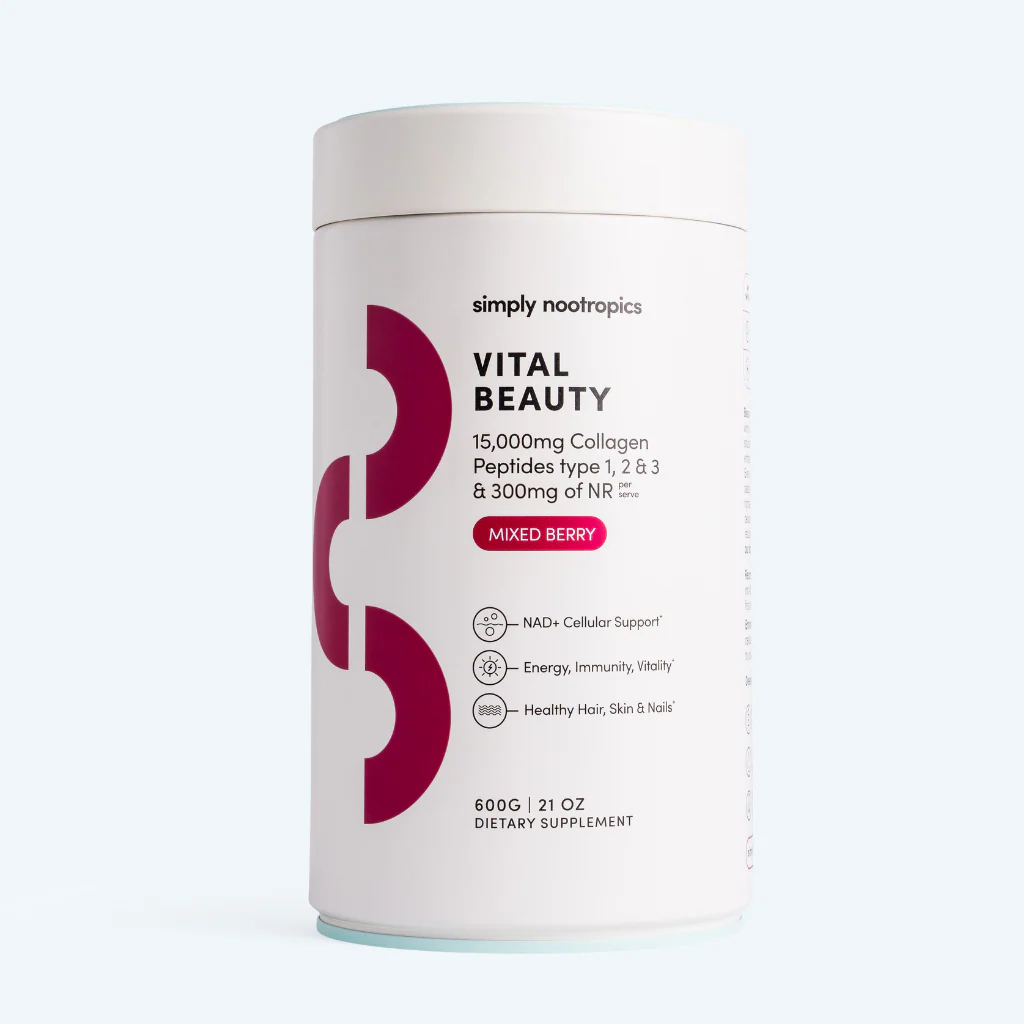
Vital Beauty Collagen makes the protein-at-every-meal habit easy to keep. Each serve gives you collagen peptides (types I, II and III) that dissolve straight into your morning smoothie, yoghurt, oats or a warm coffee, so your lightest meal of the day gets a protein boost in seconds.
It supports skin hydration and elasticity from the inside, and it comes in Unflavoured, Mixed Berry and Mango Passion, so you can match it to whatever you are eating. Add a scoop to breakfast tomorrow and start spreading your protein the way your body needs as you age.