






Most of us never think about how we breathe once the lights go out. You close your eyes, you drift off, and your body takes care of the rest. But if you regularly wake up with a parched throat, a sticky tongue or a partner complaining about your snoring, your mouth may be doing more of the work than it should.
Plenty of people breathe through their mouths at night without realising it, and the habit can change far more than how your pillow looks in the morning. Research links it to lighter, more disrupted sleep, a less stable airway and a mouth that dries out for hours at a time. Many of the reasons people sleep with their mouths open can also be improved with small changes to your evenings and your bedroom.
Why Your Body Prefers to Breathe Through Your Nose
Your nose is built for night-time breathing. It warms, humidifies and filters every breath before it reaches your lungs, which is exactly what you want during the long hours you spend asleep.
It also does something your mouth cannot. The sinuses around your nose produce nitric oxide, a gas that travels into your lungs when you breathe nasally. Researchers at the Karolinska Institute found that the paranasal sinuses release high levels of nitric oxide, and later work showed that breathing in this nasally derived nitric oxide raised oxygen levels in the blood. When you breathe through your mouth, you bypass that system entirely.
What Happens to Your Airway When Your Mouth Falls Open
The biggest effect of mouth breathing happens at the back of your throat. When your jaw drops open, your tongue and soft tissues shift backwards and the airway becomes easier to narrow.
A small study of healthy sleepers found that opening the mouth made the upper airway measurably more collapsible during sleep. Another study went further and asked healthy adults with clear noses to sleep while breathing only through their nose on one night and only through their mouth on another. Airway resistance during sleep more than doubled with oral breathing, and the number of obstructive breathing events jumped dramatically compared with nasal breathing.
That matters for sleep quality because every time your airway narrows, your brain has to nudge you towards lighter sleep to keep air moving. You may not remember waking, but those small interruptions add up. They can leave you feeling as though you slept for eight hours without getting much real rest out of them.
The Effect on Your Mouth and Teeth
Mouth breathing also changes the environment inside your mouth. Saliva is your mouth's natural defence system, and it helps to keep acidity in check while you sleep. When air flows across your teeth all night, that protective layer dries out.
Researchers at the University of Otago in Dunedin tracked this in real time. Their study found that intraoral pH dropped further and for longer when participants slept with their mouths open, at times falling well below the point where tooth enamel starts to break down. Waking up with a dry mouth is uncomfortable, and your teeth are also paying a price.
Why It Happens in the First Place
Mouth breathing is usually a workaround rather than a habit. Your body switches to it when breathing through your nose feels harder than it should. The most common reasons include:
|
Cause |
What it does |
|
Blocked nose from a cold or allergies |
Congestion forces air through the easiest route available. |
|
A deviated septum or enlarged turbinates |
These structural issues narrow the nasal passages. |
|
Sleeping on your back |
Gravity pulls your jaw open and lets your tongue fall back. |
|
Alcohol close to bedtime |
It relaxes the muscles that normally keep your airway firm. |
|
A dry or dusty bedroom |
Dry air irritates the lining of your nose and makes it swell. |
Loud, regular snoring with gasping or pauses in breathing can point to obstructive sleep apnoea. If that sounds like you, please speak with your GP, because it deserves a proper assessment.
What About Mouth Taping?
Mouth taping has exploded across social media as a quick way to force nasal breathing. The idea is simple, although the evidence behind it is much thinner than the videos suggest.
A recent systematic review looked at 10 studies involving 213 people and concluded that the existing data does not support mouth taping as a sound intervention for the general population. The authors also raised safety concerns for anyone with a blocked nose, since taping the mouth shut removes your backup airway. For most people, it makes more sense to fix the reason they breathe through their mouth than to tape over it.
Genius Sleep: Support for a Calmer Wind-Down
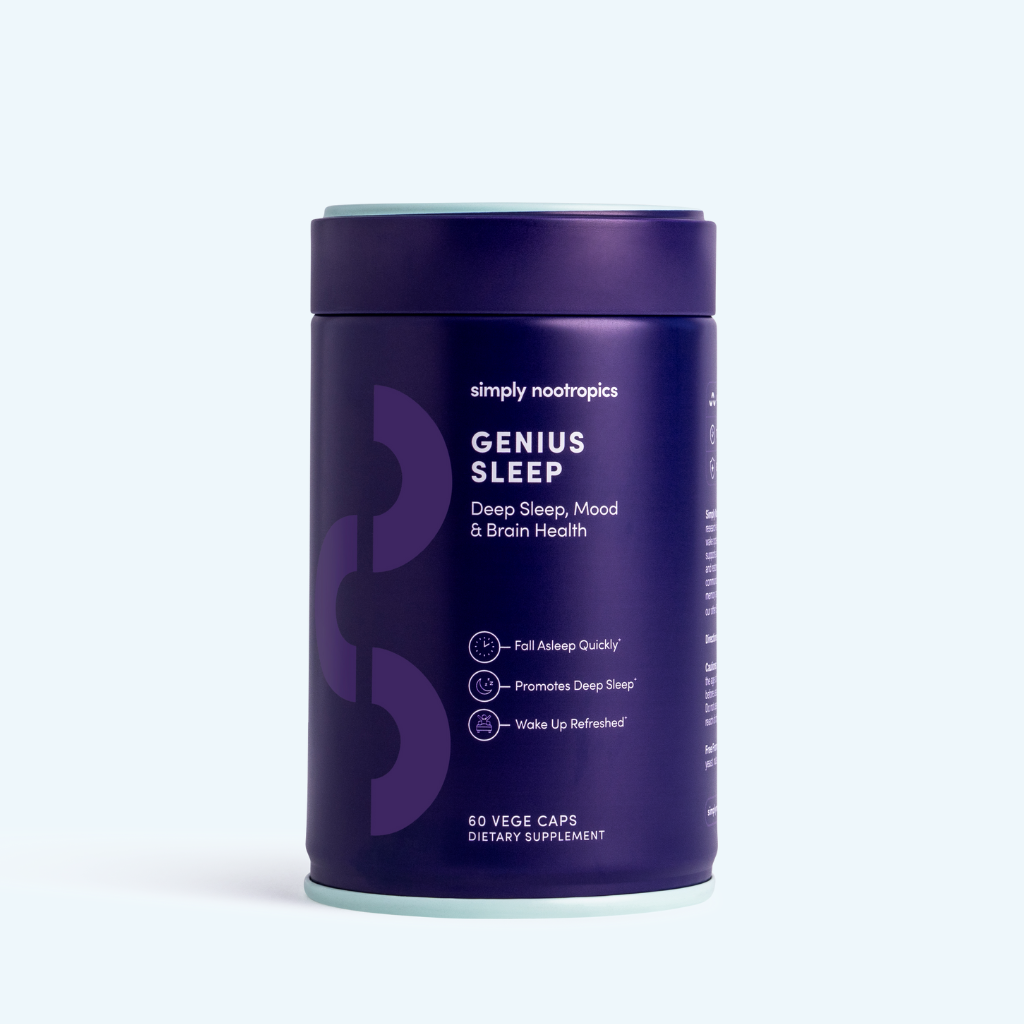
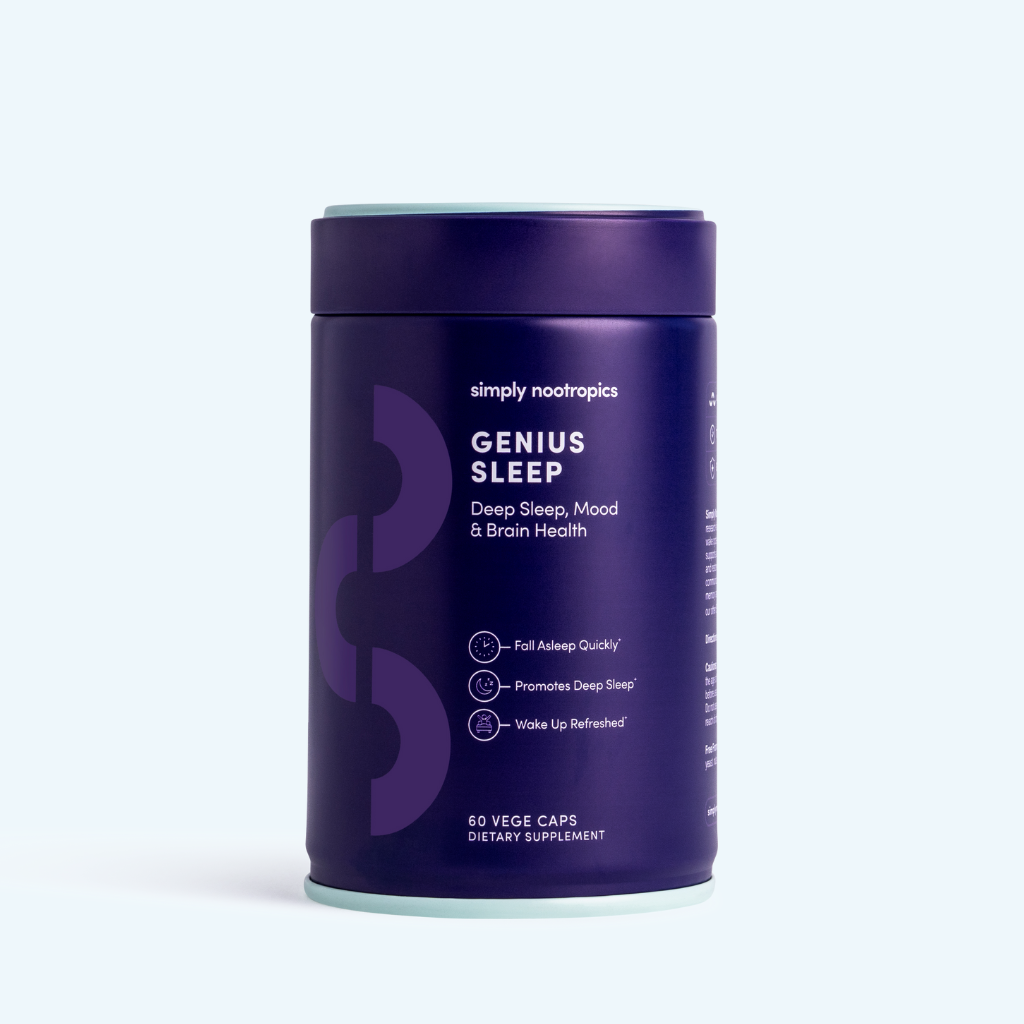
The way you drift off shapes the way you sleep. A racing mind and a tense body often lead to shallow, uneven breaths, which is exactly the pattern you want to avoid. Genius Sleep was made for that hour before bed. It combines seven nootropics and adaptogens, including L-theanine and magnesium bisglycinate, to support relaxation and deep, restorative sleep without next-day grogginess.
Take it as part of an evening routine alongside a cooler room and a few minutes of slow nasal breathing, and give your body every chance to rest the way it was designed to. Explore Genius Sleep and make your wind-down the calmest part of your day.