

New Year’s Eve is when everyone starts setting goals for the new year: Eat better. Train harder. Be more productive. Get organised. Finally become the version of yourself who “has it together.”
And then January arrives, life gets busy, motivation fades, and the goals start to feel heavy. Not because you don’t want them, but because goals are often built on a shaky foundation: the hope that future-you will suddenly have more willpower than present-you.
If you’ve ever hit mid-January thinking, “Why can’t I stick to anything?” this is for you. Because the most effective thing you can do on New Year’s Eve isn’t set goals. It’s set up a system.
Goals are outcomes. Systems are what you actually do.
A goal is a result you want. A system is the structure that makes the result inevitable.
Goals are great for direction, but they’re useless without a plan that can survive real life. Systems are what carry you when motivation is low, your schedule is messy, or you’re simply not in the mood.
That’s why “systems > motivation” isn’t a cute saying. It’s the difference between a January that feels inspiring for a week and a January that actually changes things. So instead of writing ten resolutions at 11:58pm, do one thing that works. Pick one daily non-negotiable.
The one-move reset: choose a daily non-negotiable
A daily non-negotiable is a tiny action you commit to every day, even on your worst days. It’s small enough that you can’t reasonably fail, but meaningful enough that it shifts your identity. It’s not a full routine. It’s a minimum standard.
Think of it as your “baseline.” The thing that keeps you steady when the rest of your day goes off-track.
Why this works better than setting goals for the new year:
-
It removes decision fatigue (“Should I do it today?” becomes “Of course I do.”)
-
It builds consistency, which builds confidence
-
It creates momentum without needing hype
-
It prevents the all-or-nothing cycle that kills most resolutions
Most people fail not because they aim too high, but because they aim too broad. Too many habits, too much change, too much pressure. One non-negotiable fixes that.
How to choose the right non-negotiable
Your non-negotiable needs to meet three criteria:
-
It’s specific
“Be healthier” isn’t a habit. “Walk for 10 minutes” is. -
It’s easy enough to do on a chaotic day
If you can’t do it when you’re tired, busy, or travelling, it’s not a non-negotiable. It’s a wish. -
It supports the life you actually want
Pick something that solves a real pain point: low energy, inconsistent routines, feeling scattered, sleep problems, or never making time for yourself.
If you’re unsure, choose the habit that will make everything else easier. For most people, that’s one of these: movement, sleep, or a consistent start to the day.
12 non-negotiables that actually work (steal one)
Choose one you can do every day. Not most days. Every day.
If you want more energy
-
10-minute walk (outside if possible)
-
Protein-forward breakfast
-
Glass of water before coffee
If you want better focus
-
One “top task” written down every morning
-
Two minutes of planning before you open apps
-
A 25-minute deep work block
If you want better sleep
-
Screens off 30 minutes before bed
-
A fixed “bedtime start” cue (shower, tea, book)
-
No caffeine after midday (or pick a time that fits you)
If you want less stress
-
Five minutes of journaling
-
Two minutes of breathing
-
One short tidy reset (desk, kitchen bench, or bedroom)
If you want consistency with supplements/routines
-
Take your daily essentials at the same time each day
Pair it with something you already do: brushing teeth, making coffee, or lunch.
You’ll notice something important about these: they’re not dramatic. That’s the point. Dramatic habits require dramatic motivation. Simple habits create their own momentum.
Make it “too easy to fail”: the minimum version rule
The biggest mistake people make is choosing a habit that only works on a good day. Instead, define the minimum version you will do even when everything falls apart.
Examples:
-
Walk: 10 minutes minimum (even if it’s pacing while on a call)
-
Planning: write one priority (not a full to-do list)
-
Sleep: start wind-down at a set time (even if bedtime varies)
-
Journaling: three sentences
-
Movement: five minutes of stretching
-
Tidying: clear one surface
On good days, you can do more. On bad days, you still keep the streak. That streak matters. It’s how you become the person who “does the thing.”
Use a trigger: attach it to something you already do
Habits stick when they’re anchored to a reliable trigger.
Pick one:
-
Right after brushing teeth
-
While the kettle boils
-
As soon as you sit at your desk
-
After lunch
-
The moment you change into pyjamas
Then write it as a simple formula: When I do X, I do Y.
Example:
-
When I make my coffee, I take my daily routine.
-
When I finish lunch, I walk for 10 minutes.
-
When I shut my laptop, I do five minutes of stretching.
The “one-week promise” (why this beats yearly goals)
Here’s another reason goals fail: a year is too abstract. Instead of promising the next 12 months, promise the next seven days.
On New Year’s Eve, choose your non-negotiable and commit to it for one week. That’s it.
Why one week is powerful:
-
It feels achievable
-
You get quick proof it works
-
You can adjust without feeling like you “failed”
-
It builds early momentum in January, when most people are still figuring things out
If you like it, renew the promise for another week. If you don’t, choose a different non-negotiable. Consistency isn’t about picking the perfect habit. It’s about picking something you can repeat.
What to do tonight (a five-minute New Year’s Eve system)
If you do nothing else, do this:
-
Pick one non-negotiable
Choose the habit you can do even on a bad day. -
Write the minimum version
What will you do when you’re tired or busy? -
Choose the trigger
Attach it to something automatic. -
Make it visible
Put it on a sticky note, lock screen, or calendar. -
Decide the time
If it’s time-based, set a reminder for the first week.
That’s a system. And it will outperform a list of goals every time.
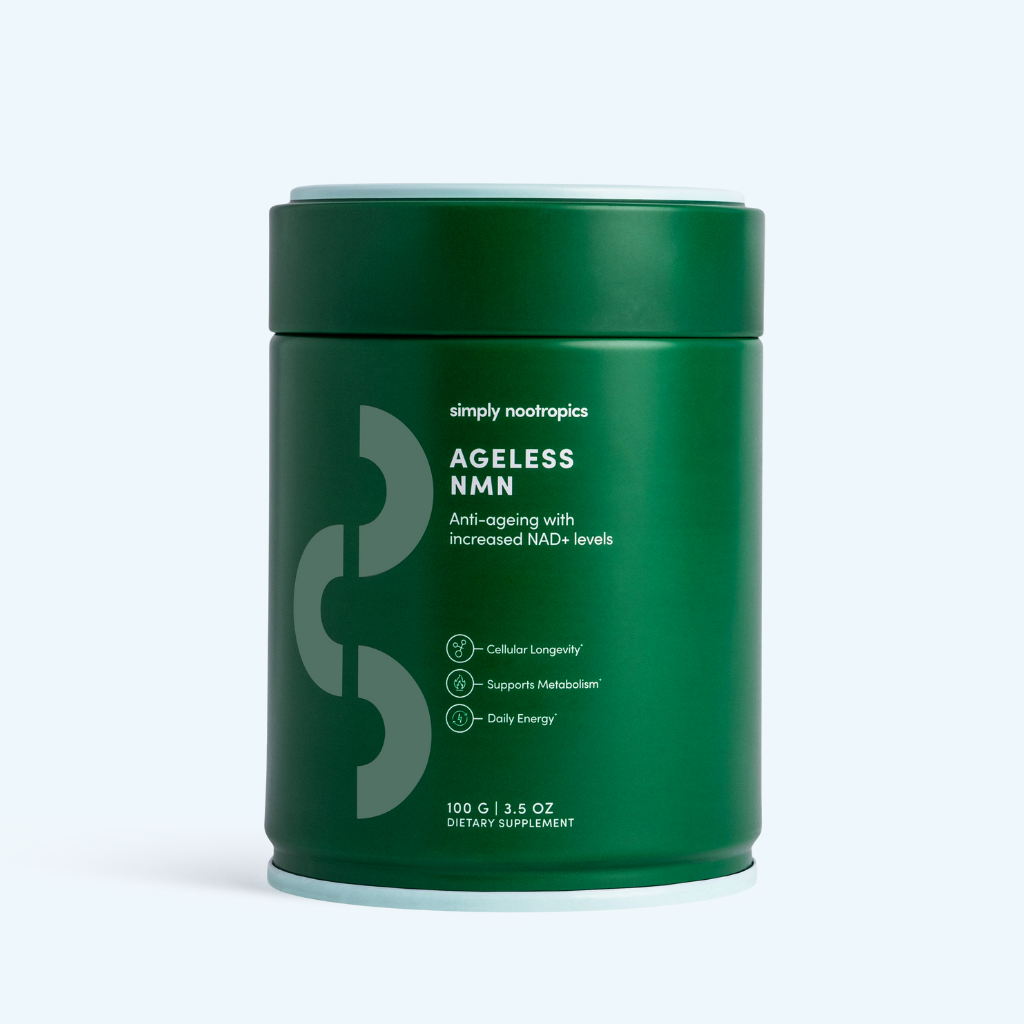
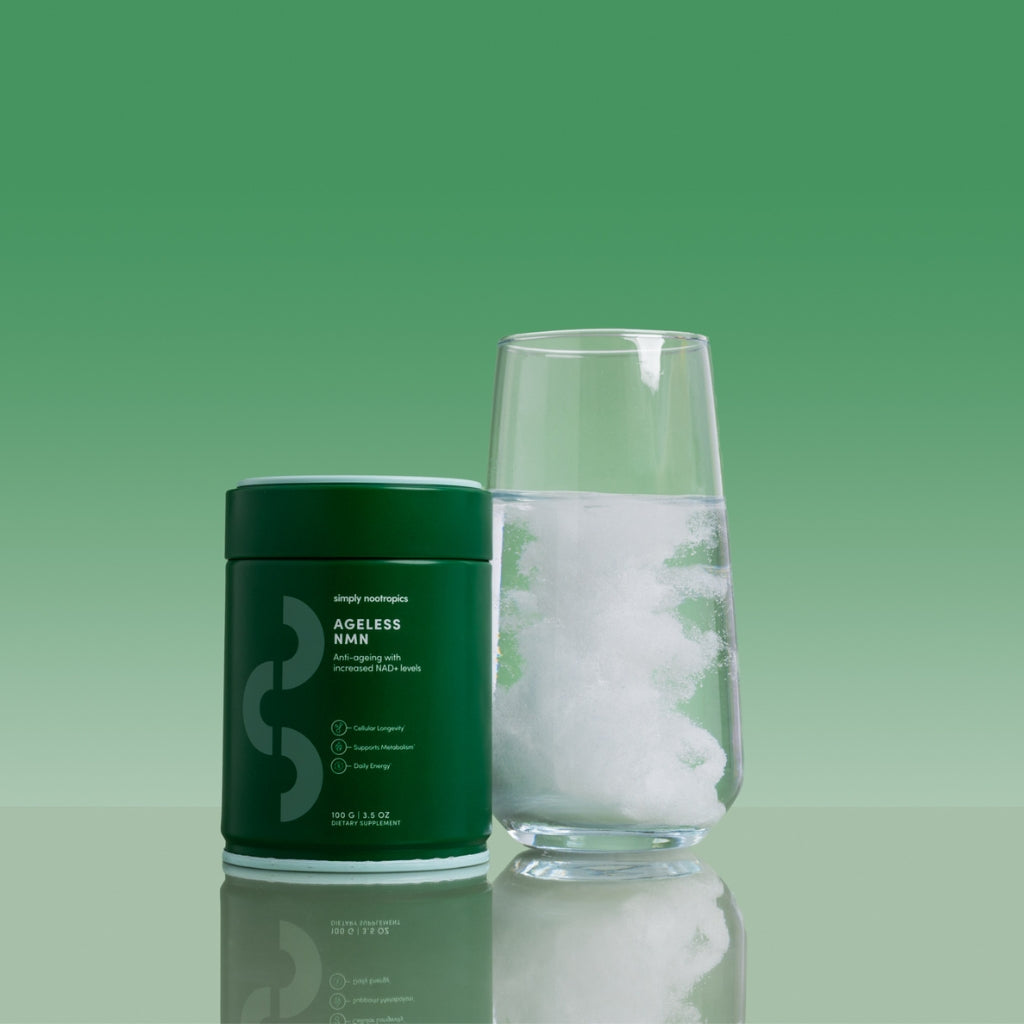
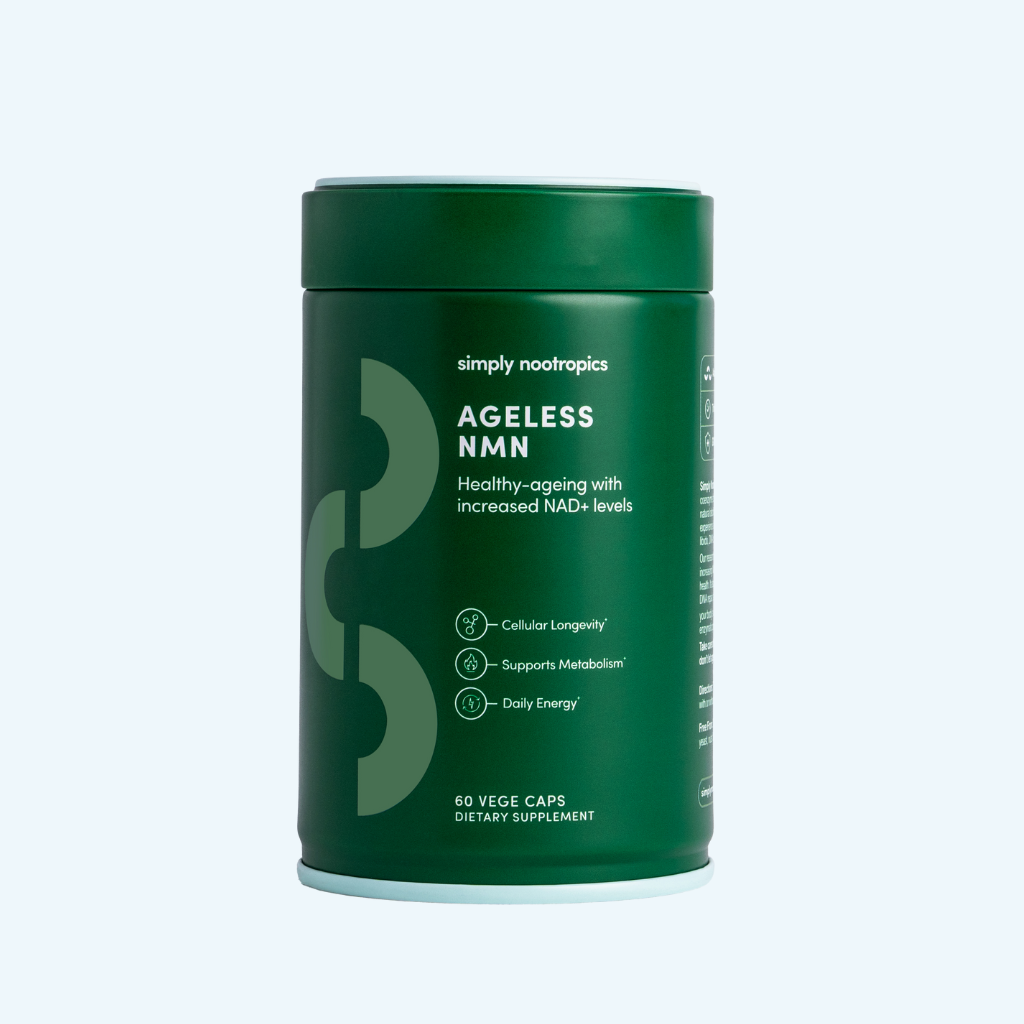
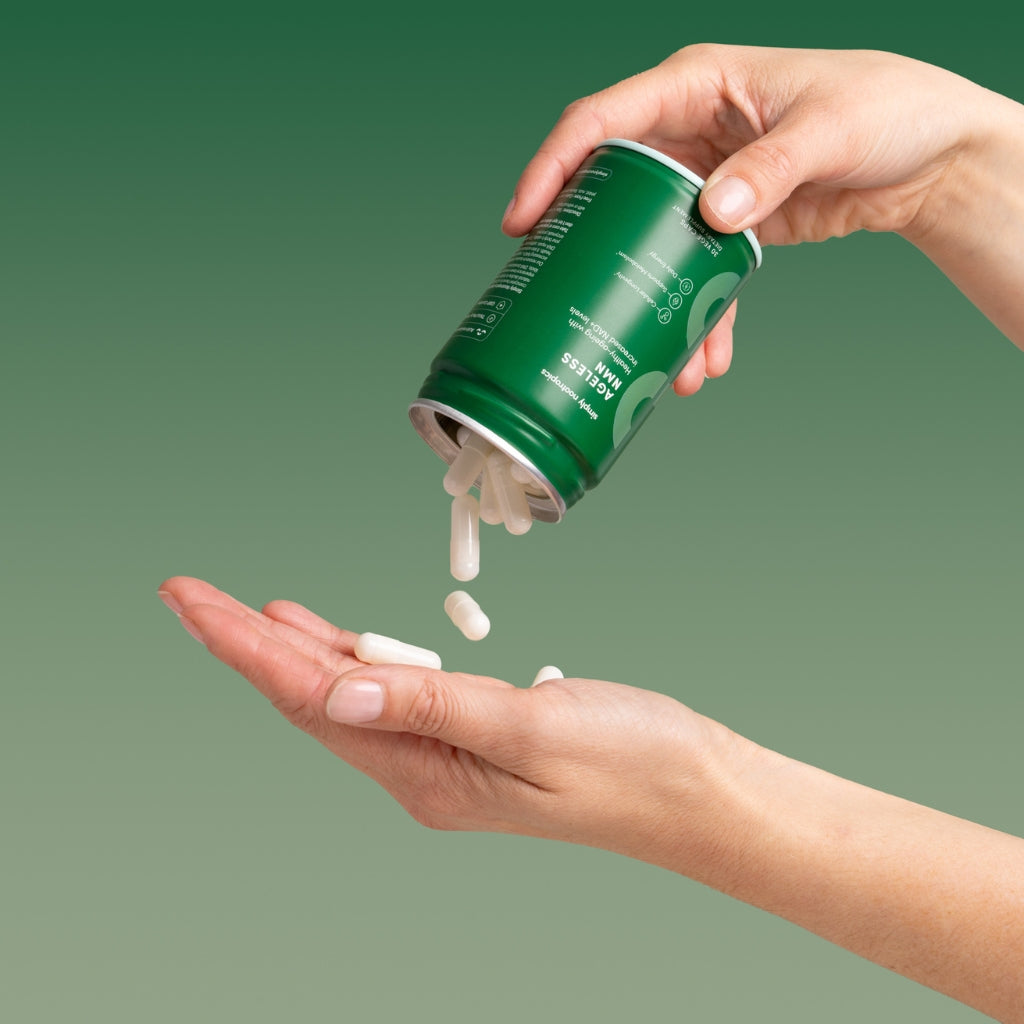
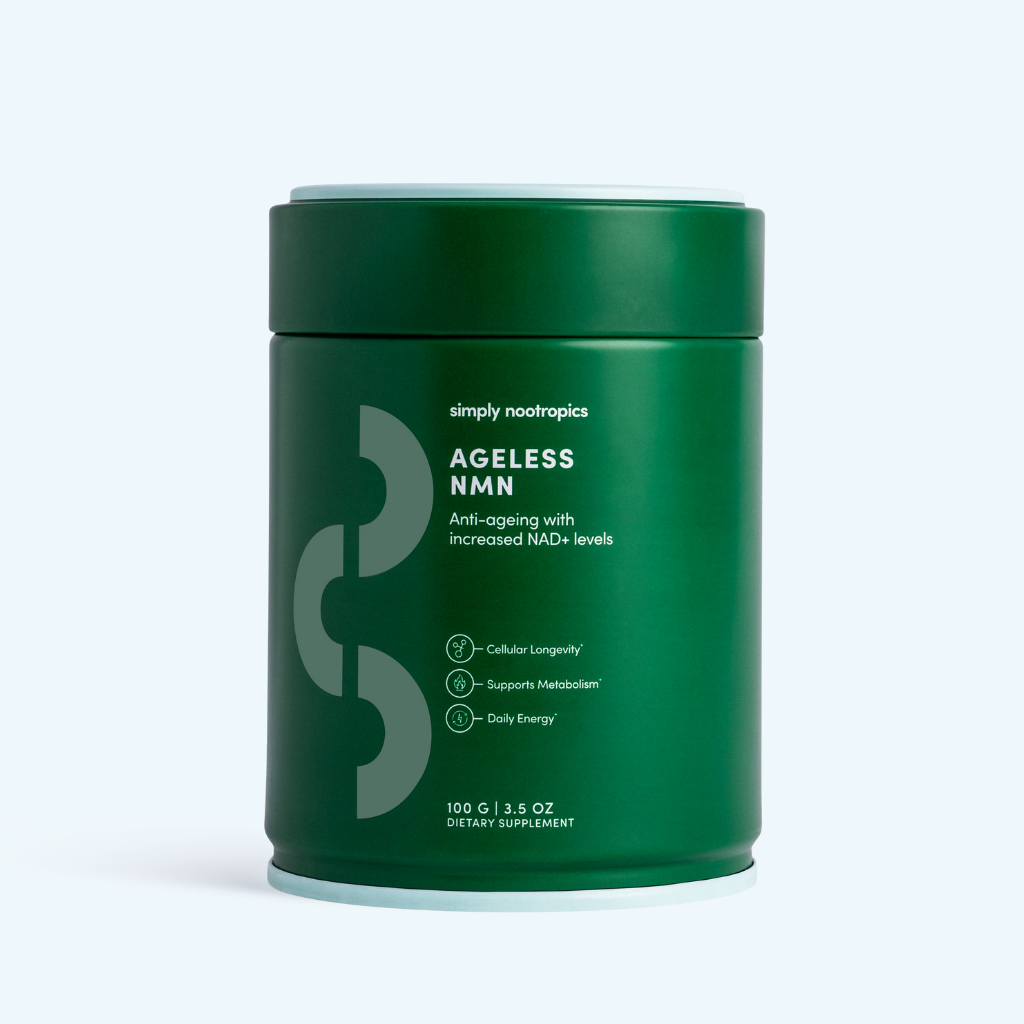
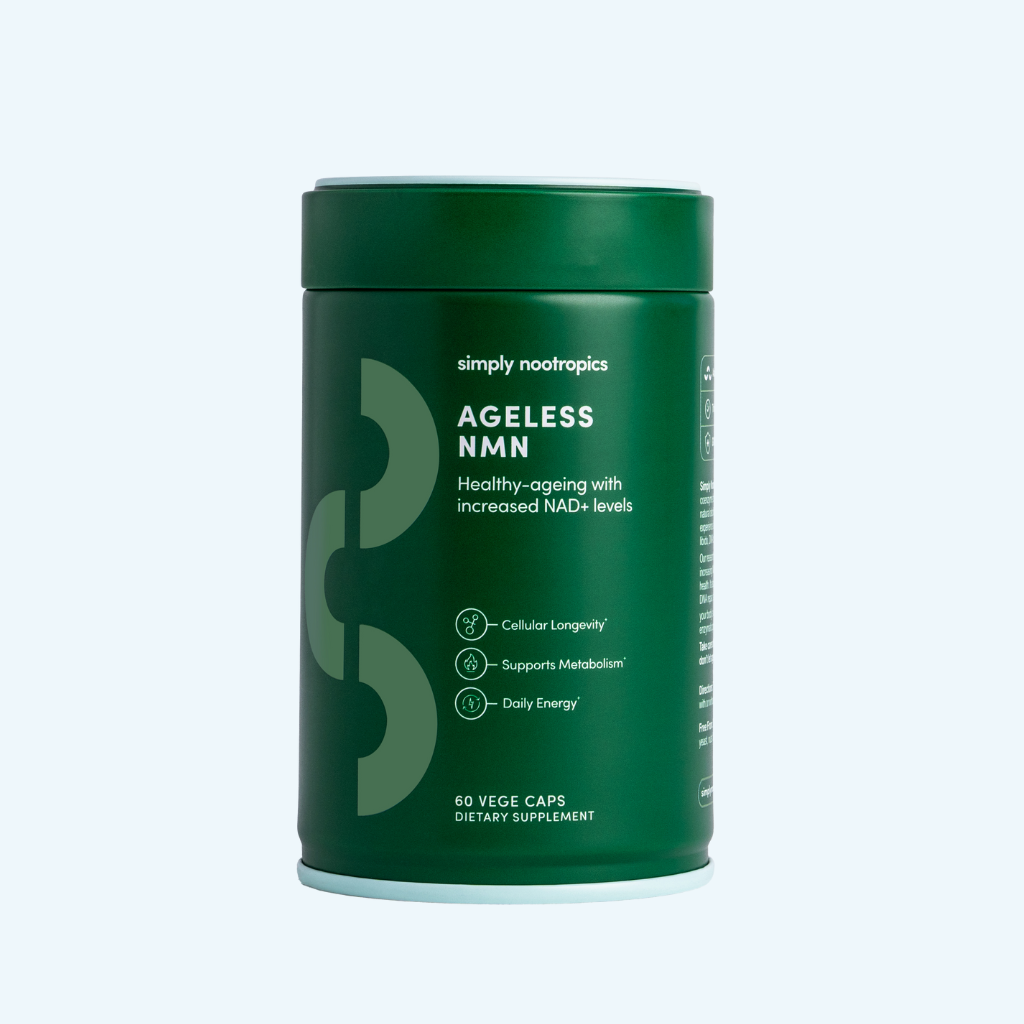
Product spotlight: Ageless NMN
New Year energy usually starts strong, then real life hits. That’s why Ageless NMN is a smart “January pick”: it supports the foundations you’re trying to rebuild after the holiday haze.
Why NMN makes sense for the New Year:
-
Supports cellular energy production by helping replenish NAD+ levels, which naturally decline with age. This matters because NAD+ is involved in how your cells convert food into usable energy.
-
Fits a consistency-first reset: NMN isn’t a quick-fix “feel it instantly” product. It’s better aligned with the New Year mindset of building steady habits that compound over time.
-
Supports healthy ageing and longevity-focused routines: if your 2026 goal is “take better care of future me,” NMN is one of the most common starting points people choose for that long-game approach.
Ageless NMN is a simple way to set a more intentional baseline for the year, especially if your reset is about feeling more switched on and consistent, not chasing extremes.