

Every Halloween, people split into two camps. One group books tickets to the scariest haunted house in town and watches horror films with the lights off. The other group refuses to go near any of it and would happily spend the night on the sofa with a comedy.
Both reactions are normal. Fear runs on the same basic system in every human brain, but the way each person experiences that system varies a lot. Researchers have spent years studying why, and some of the most useful work has taken place inside actual haunted houses.
What Happens in Your Body When You Get Scared
Fear starts in the amygdala, a small, almond-shaped region deep in the brain that scans for threats. When something jumps out at you, the amygdala reacts before the thinking part of your brain has worked out what it is.
That reaction sets off the fight-or-flight response. In the space of a few seconds:
-
Your adrenal glands release adrenaline, which raises your heart rate and sends more blood to your muscles.
-
Your breathing speeds up so your body can take in more oxygen.
-
Your pupils widen and your attention narrows onto the thing that startled you.
-
Your body releases cortisol, the main stress hormone, which keeps you alert while the threat is around.
A moment later, the prefrontal cortex catches up. This is the part of the brain that reasons and plans. If it recognises that the “threat” is an actor in a mask or a scene on a screen, it signals that you are safe. Your body is still full of adrenaline, but your brain now knows nothing bad is going to happen.
For people who enjoy being scared, that combination of a strong physical rush and the knowledge that they are safe is what makes it fun.
The Science of Enjoying Fear
Researchers call this “recreational fear”, and several studies have measured it directly.
In 2019, sociologist Margee Kerr and her colleagues studied more than 250 adults who visited an extreme haunted attraction in Pittsburgh. Visitors filled in questionnaires before and after, and some also had their brain activity recorded. Most participants reported a better mood after the experience, and said they felt less anxious and less tired. Those who reported the biggest improvement in mood also showed lower brain reactivity to a set of tasks afterwards, which suggests the experience may have helped reset their emotional responses for a while.
A team at Aarhus University in Denmark took a different approach. They fitted 110 haunted house visitors with heart rate monitors and filmed their reactions. Their results, published in Psychological Science, showed that enjoyment peaked at a moderate level of fear. When visitors felt only a little afraid, they found the experience boring. When they felt very afraid, they stopped enjoying it. The most fun happened in the middle, where people felt scared enough to get a real physical response without feeling overwhelmed.
This middle point is different for every person, which explains a lot about why your friend loves horror films that you can’t sit through.
Why Some People Hate It
If you hate being scared, your brain is not doing anything wrong. It is simply weighing the experience differently.
The same Aarhus research group studied 280 haunted house visitors and found that people tend to fall into three groups:
-
“Adrenaline junkies” enjoy the physical rush and look for ways to make the experience more intense.
-
“White-knucklers” feel a lot of fear, enjoy very little of it and try to get through it as fast as they can.
-
“Dark copers” feel scared but use strategies, like reminding themselves it isn’t real, to keep the fear at a level they can enjoy.
Several factors seem to decide which group you fall into.
Can Being Scared Be Good for You?
There is some evidence that controlled fear may have benefits for people who enjoy it. During the early stages of the COVID-19 pandemic, researchers surveyed 310 people and found that horror fans reported less psychological distress than people who avoided horror. The researchers suggest that horror lets people practise handling fear in a safe setting, which may help them stay calmer when real stress comes along.
That doesn’t mean you need to force yourself to watch horror films. If you hate being scared, there is no reason to put yourself through it. The point is that your fear response is a system you can learn about and support.
How to Support a Calmer Stress Response
The stress response that fires during a jump scare is the same one that fires during a difficult work week or a bad night’s sleep. A few habits can help keep it balanced:
-
Get consistent, good-quality sleep, since a tired brain reacts more strongly to stress.
-
Move your body regularly, because exercise helps your body clear stress hormones.
-
Practise slow breathing when you feel tense, as long exhales help switch your body out of fight-or-flight mode.
-
Limit caffeine later in the day if you notice it makes you feel on edge.
-
Know your limits and give yourself permission to skip the haunted house if it isn’t your idea of fun.
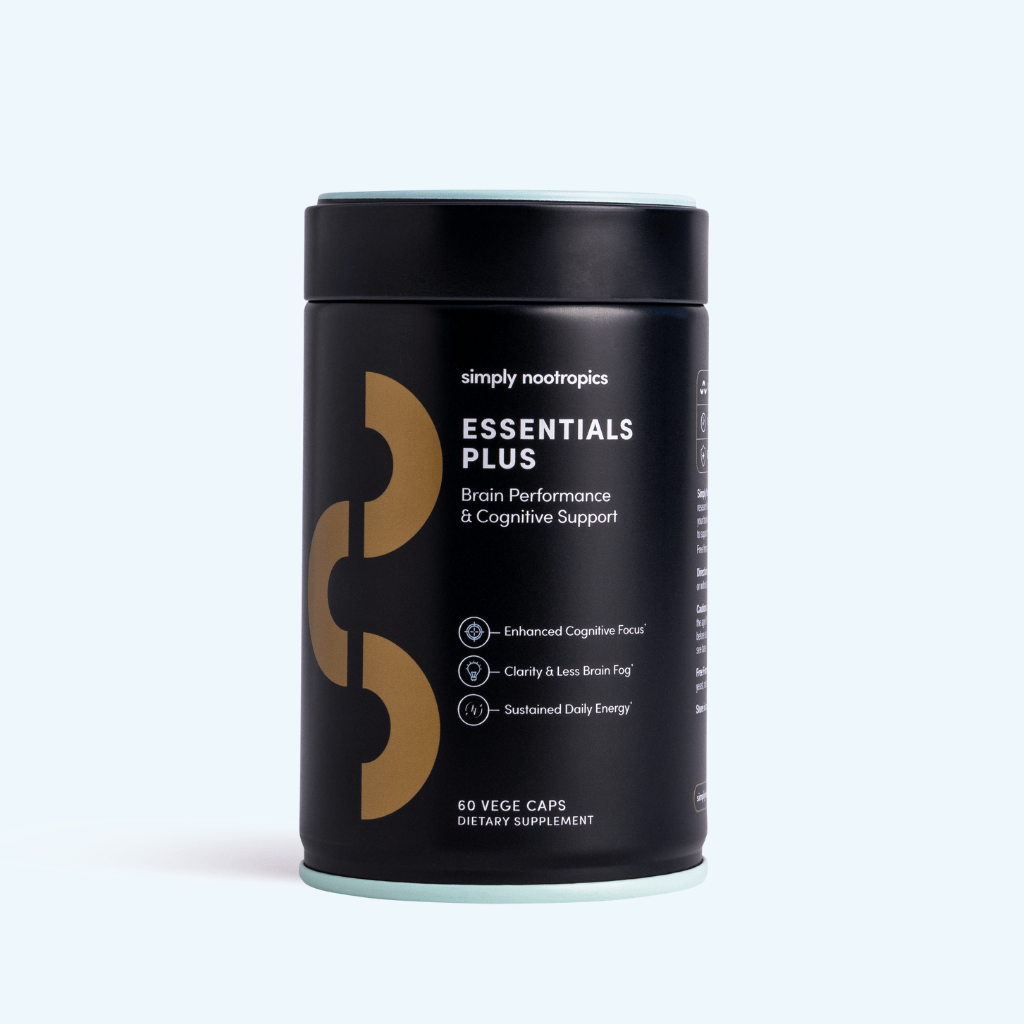
Support Your Stress Response With Essentials Plus
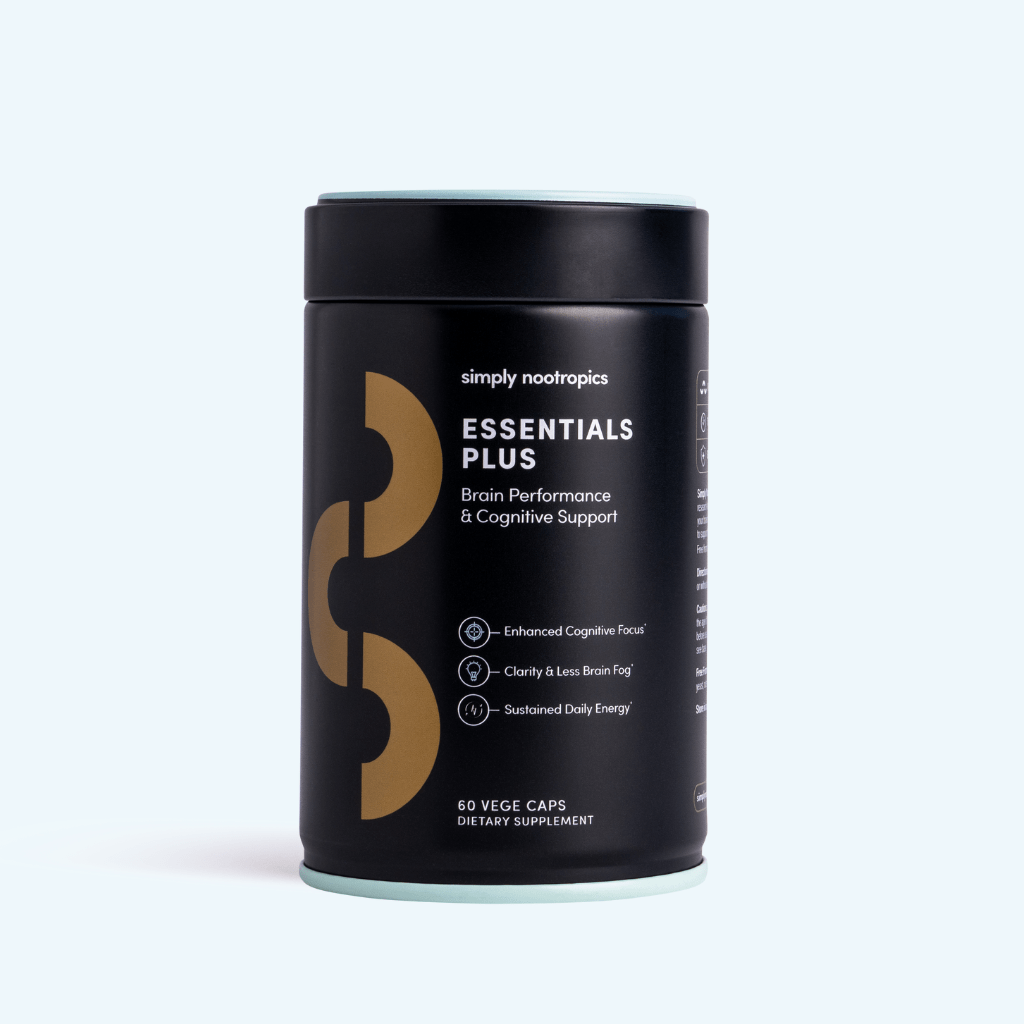
Whichever group you fall into, Essentials Plus was made to support a calm, focused mind on the days that test you. It combines eight adaptogens and nootropics, including Ashwagandha, Rhodiola Rosea, Panax Ginseng, Brahmi, Lion’s Mane and NZ Pine Bark.
Ashwagandha is one of the most researched adaptogens for stress, and in one clinical trial, adults who took ashwagandha root extract for 60 days had significantly lower cortisol levels than those who took a placebo. Take Essentials Plus every morning to help your body handle stress with more balance, from a busy workday to a Halloween movie marathon.