

Gratitude has a reputation as a feel-good habit, something you say at the dinner table or write on a sticky note. Researchers have spent more than two decades measuring the health benefits of gratitude, and the results go well beyond mood. Studies link a regular gratitude practice to better sleep, healthier heart markers and a longer life.
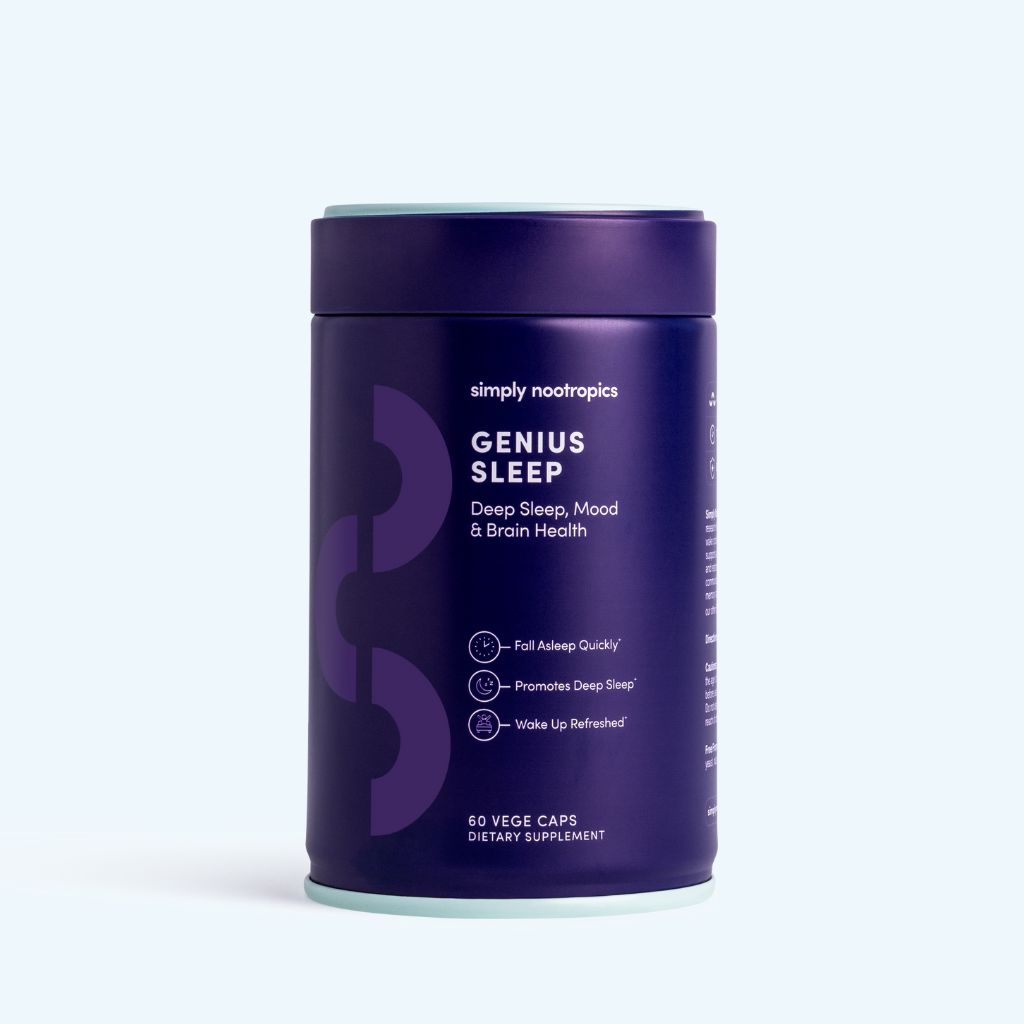
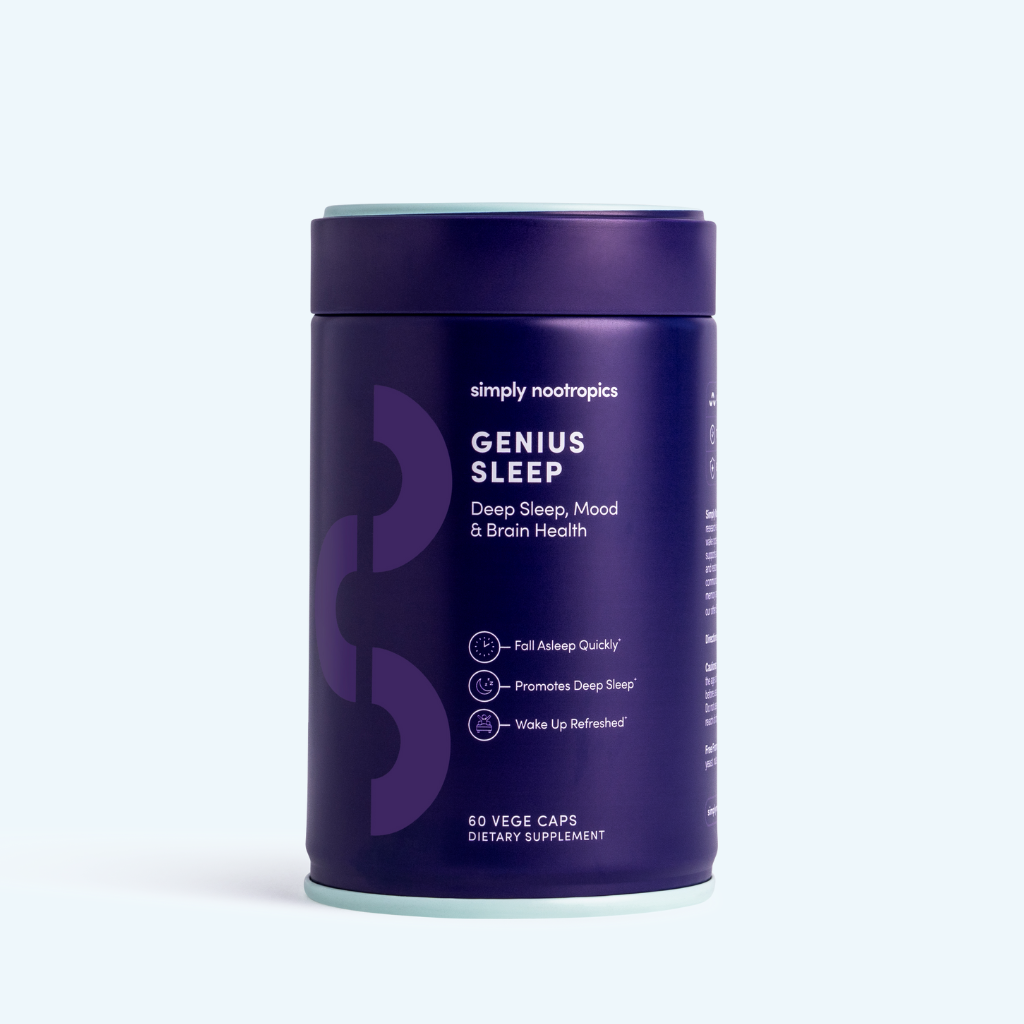
Gratitude also fits easily into an evening wind-down, and pairing it with Genius Sleep gives your mind and body a consistent signal that the day is over. Here is what the evidence shows, why it works, and how to build the habit so it lasts.
What Counts as “Practising Gratitude”?
In research terms, practising gratitude means deliberately noticing and recording the good things in your life. It is a skill you train, not a personality trait you either have or lack.
The most studied methods are simple:
-
Participants write down three to five things they are thankful for in a gratitude journal, daily or weekly.
-
Some studies ask people to write a letter thanking someone who made a difference to them.
-
Others ask participants to reflect on positive events from the day before they go to sleep.
Each method takes a few minutes. That low barrier is part of why scientists find it so interesting: the effort is small, and the effects are measurable.
Does Gratitude Improve Sleep?
Sleep is where the research on gratitude is most consistent, and the answer is yes.
A study of 401 adults published in the Journal of Psychosomatic Research found that people with higher levels of gratitude reported better sleep quality, longer sleep, falling asleep faster and less tiredness during the day. Around 40% of the participants had impaired sleep, so the findings were not limited to people who already slept well.
The researchers also identified why gratitude and sleep are so closely connected. Grateful people had more positive thoughts and fewer negative thoughts in the minutes before sleep. Those pre-sleep thoughts explained the link between gratitude and every sleep outcome they measured. The results held after the team accounted for personality traits, including a tendency towards worry.
This matters because the time between lying down and falling asleep is when many people replay the day’s problems. Gratitude gives the mind something else to focus on.
Earlier experimental work supports this. In the landmark Counting Blessings Versus Burdens study, adults living with neuromuscular disease who kept a daily gratitude list for three weeks reported getting more sleep and waking up feeling more refreshed than a comparison group.
Gratitude and Heart Health
The cardiovascular research is newer, and it points in a clear direction.
In a study of 186 adults with early-stage heart failure, higher gratitude was linked to better sleep, less fatigue and lower levels of inflammatory markers. The researchers then asked some participants to keep a gratitude journal most days for eight weeks. Those who journalled showed lower levels of several inflammatory markers and higher heart rate variability, which is a sign of a heart that adapts well to stress.
A 2025 study in the Journal of Happiness Studies tested a short gratitude letter exercise before a stressful lab task. People who wrote the letter showed a different systolic blood pressure response to stress compared with a control group, which suggests gratitude changes how the body reacts in demanding moments.
Inflammation, blood pressure and stress response are three of the main factors researchers track when they study how we age. A habit that supports all three is one worth building.
Gratitude and Longevity: Can It Help You Live Longer?
This is the finding that brought gratitude into longevity conversations.
Researchers at Harvard followed 49,275 older women from the Nurses’ Health Study, with an average age of 79. Women with the highest gratitude scores had a 9% lower risk of death from any cause over the following years than those with the lowest scores. The strongest link was with cardiovascular deaths.
The study was published in JAMA Psychiatry in 2024, and the researchers accounted for factors like physical health, social connection and religious participation. Gratitude still stood out on its own.
Why Does Gratitude Affect the Body?
Scientists point to a few connected explanations:
-
Gratitude shifts attention towards positive information, which reduces the time the brain spends on stress and worry.
-
Lower stress means the body spends less time with its stress response switched on, which supports healthy blood pressure and heart rhythm.
-
Grateful people tend to sleep better, and good sleep supports nearly every system in the body, from immune function to metabolic health.
-
Gratitude is linked to healthier behaviour, and participants in the Counting Blessings study who kept weekly gratitude lists exercised more than the comparison group.
These effects reinforce each other. Better sleep improves mood, a better mood makes gratitude easier, and the cycle continues.
Gratitude Before Bed: Build a Proper Wind-Down
Practising gratitude before bed works best as part of a routine that tells your body it is time to rest. Writing your list in the last few minutes of the evening means the thoughts you take to sleep are the ones you chose. A few other habits make a real difference:
-
Dim the lights an hour before bed to support your body’s natural melatonin release.
-
Put your phone in another room so the last thing you read is your gratitude list, not your inbox.
-
Keep your bedroom cool, dark and used for sleep only.
-
Go to bed and wake up at the same time each day, including weekends.
Your gratitude list becomes the last step of the evening, the point where you stop solving problems and start winding down.
Make the Hour Before Bed Count
A gratitude list helps calm your thoughts, and Genius Sleep helps your body follow. It combines seven nootropics and adaptogens to support relaxation and deep, restful sleep, with every ingredient and dose listed on the label and no proprietary blends.
It is stimulant-free and third-party tested, and it’s made to help you wake up clear-headed with no next-day fog. Write down your three good things, take Genius Sleep as the last step of your evening routine, and give your body what it needs for a full night of rest.