


Menopause is often framed around hot flashes, sleep disruption, and changes in mood or energy. But one of the most important, and least discussed, shifts during this stage of life involves heart health.
Cardiovascular disease remains the leading cause of death in women globally, and data consistently shows that risk increases after menopause. This doesn’t happen suddenly, and it isn’t driven by a single factor. Instead, it reflects a series of gradual physiological changes that influence blood vessels, inflammation, and key metabolic pathways.
Understanding these changes, and knowing how to support the body through them, is a powerful form of self-care.
The Oestrogen Connection
For most of a woman's reproductive years, oestrogen acts as a protective factor for cardiovascular health. It helps keep blood vessels flexible and plays a role in how the body manages inflammation. It's not the only factor in heart health, of course, but it's a significant one.
When oestrogen levels decline during perimenopause and menopause, that protective effect diminishes. The result? Women's risk of heart disease begins to catch up with men's risk, and in some cases, surpass it.
Whilst heart disease has traditionally been seen as a "male problem," cardiovascular disease is actually the leading cause of death in women over 65 in many developed countries.
This isn't about fear-mongering. It's about awareness. Because when you understand what's happening in your body, you can take informed action.
What Changes During Menopause?
The decline in oestrogen doesn't just affect hot flushes and sleep (though those are real too). It influences several factors directly connected to heart health:
Blood pressure often increases. Oestrogen helps keep blood vessels supple. Without it, they can become stiffer, leading to higher blood pressure.
Body composition changes. Many women notice weight redistributing to the midsection during menopause. This visceral fat (fat around the organs) is metabolically active and associated with increased cardiovascular risk.
Inflammation markers can rise. Chronic low-level inflammation is increasingly recognised as a contributor to heart disease, and menopausal changes can influence inflammatory processes in the body.
Add these factors together, and you've got a recipe for increased cardiovascular risk - not a certainty of heart disease, but a shift in the landscape that deserves attention.
Heart-Smart Moves You Can Start This Week
1) Learn your numbers (once a year is enough).
Knowing your baseline matters because cardiovascular changes after menopause are often silent. Blood pressure and lipid markers can shift without obvious symptoms, and homocysteine can rise over time.
2) Add a “post-meal 10.”
A short, easy walk after eating supports circulation and helps your body process nutrients more efficiently. It’s one of the simplest ways to support cardiovascular function without needing workouts, equipment, or extra planning.
3) Build a 5-minute “legs-up” reset.
Putting your legs up the wall encourages venous return and gives your cardiovascular system a brief break from gravity. It’s also a fast way to calm the nervous system, which indirectly supports heart health by lowering physiological stress load.
4) Use breathing to shift your nervous system on demand.
Slow breathing with a longer exhale (for example, 4 seconds in, 6 seconds out) nudges your body toward a calmer state. This helps counter the constant low-grade stress that can influence blood pressure and inflammation over time without needing long meditation sessions.
What About Homocysteine?
Here's where things get interesting. Homocysteine is an amino acid that naturally occurs in the body, but elevated levels have been associated with increased cardiovascular risk. Research has shown that homocysteine levels tend to rise after menopause, contributing to that increased heart disease risk.
Homocysteine is normally converted into other beneficial compounds through a process called methylation, which requires adequate levels of certain B vitamins - specifically B6, B12, and folate. When methylation doesn't function optimally, homocysteine can accumulate.
This is where TMG (trimethylglycine), also known as betaine, enters the conversation.
What Is TMG?
TMG is a naturally occurring compound found in foods like beetroot, spinach, and whole grains. In the body, it acts as a methyl donor - essentially, it provides the raw materials needed for methylation processes, including the conversion of homocysteine into methionine, a beneficial amino acid.
Think of methylation as a series of biochemical dominoes. TMG helps keep those dominoes falling in the right direction, supporting healthy homocysteine metabolism in the process.
TMG and Heart Health
Studies have shown that TMG supplementation can help support healthy homocysteine levels, particularly when combined with B vitamins like B6, B12, and folate.
A study published in the American Journal of Clinical Nutrition found that betaine supplementation significantly lowered homocysteine levels in healthy adults. Given the well-established connection between elevated homocysteine and cardiovascular risk, supporting healthy homocysteine metabolism is a smart strategy for heart health.
What makes TMG particularly interesting is that it works through a different pathway than B vitamins alone. Whilst B vitamins support one route of homocysteine metabolism, TMG provides an alternative pathway - making it a useful complementary approach, especially for those who may not be getting optimal results from B vitamins alone.
Simply Nootropics TMG Powder vs TMG B-Vitamin Formula
If you're considering adding TMG to your routine, you'll likely come across two main options: standalone TMG powder and combination formulas that include TMG alongside B vitamins.
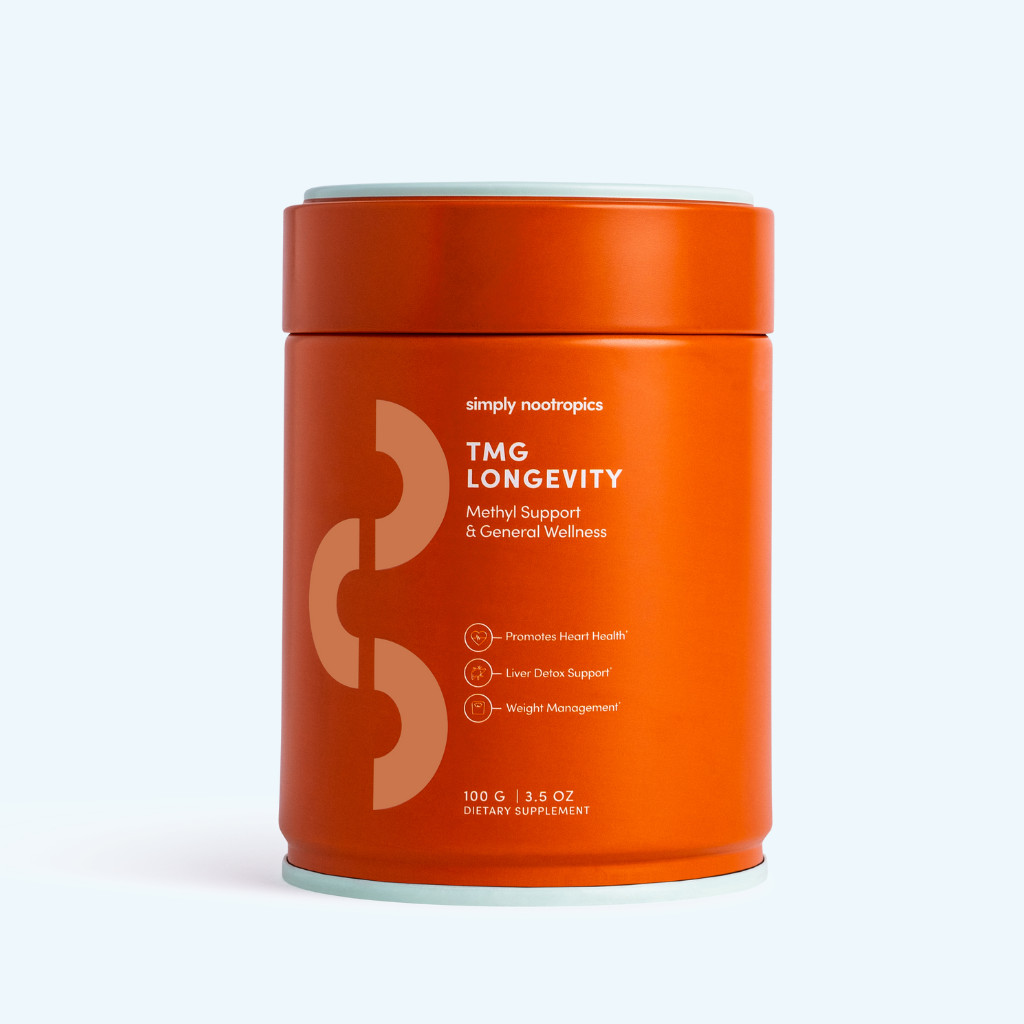
TMG Powder gives you flexibility. You can adjust your dosage, add it to smoothies or water, and combine it with other supplements as you see fit. Simply Nootropics TMG Powder offers pure, high-quality trimethylglycine in an unflavoured powder form. Plus, it comes free with Ageless NMN Powder, making it an easy addition to your longevity stack.
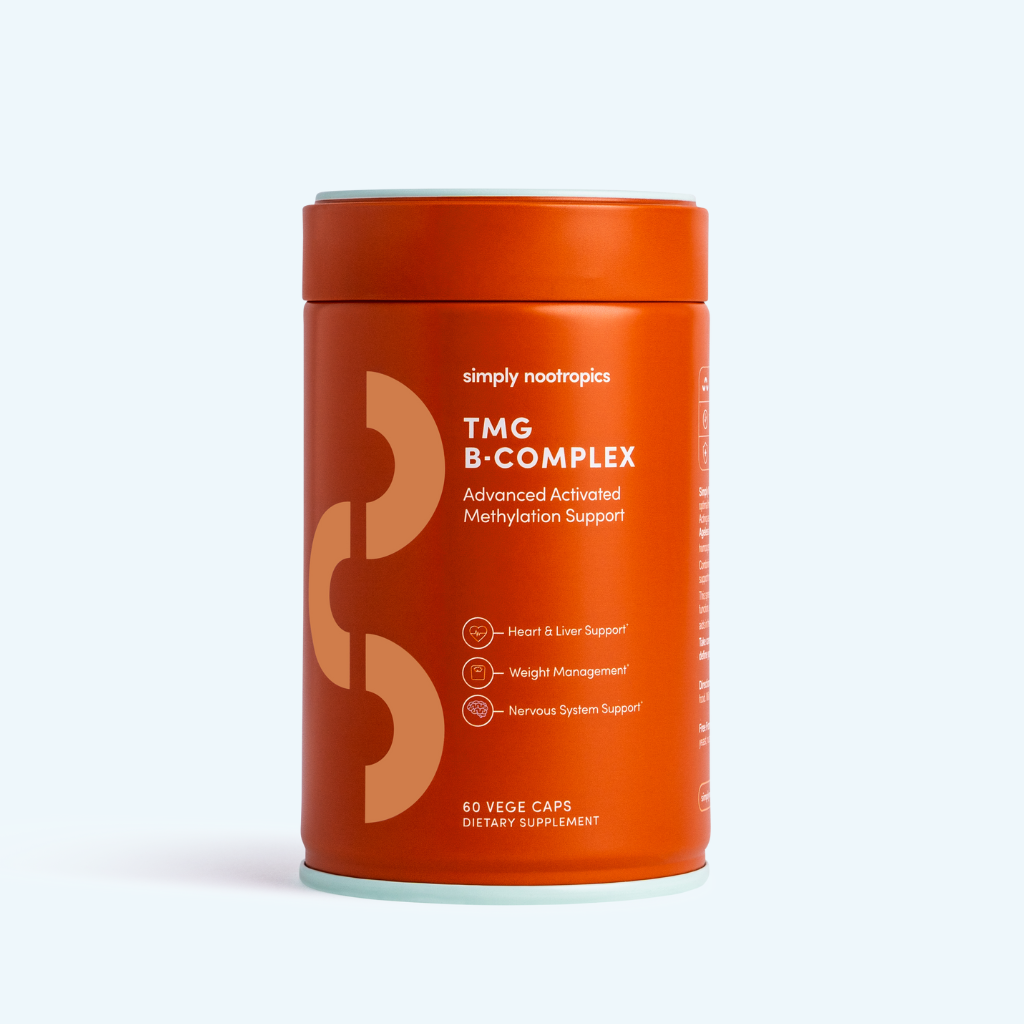
TMG B-Complex formula offers convenience and synergy. Since TMG and B vitamins work together to support homocysteine metabolism through complementary pathways, having them in one formula ensures you're covering multiple bases.
So… does heart disease risk increase after menopause? Research suggests yes, but risk is not destiny.
With awareness, supportive habits, and thoughtful nutritional strategies, women can take an active role in caring for their heart long after menopause.
Heart health isn’t something to think about “later.” It’s something worth supporting now, with intention, consistency, and care.