







Intermittent fasting has a strong track record. Research supports its benefits for metabolic health, cellular repair, and longevity. Plenty of people swear by it. But plenty of others try it and feel genuinely terrible: brain fog, fatigue, irritability, headaches… Eventually they give up assuming it just isn't for them.
It usually isn't the fasting itself that's the problem. It's what the fasting exposes: nutrient gaps that were already there, now amplified by the demands fasting places on the body. Two of the most commonly overlooked are methyl donors, particularly TMG (trimethylglycine) and B vitamins. TMG B-Complex is formulated specifically to address this, and understanding why those two nutrients matter during fasting explains a lot about why people struggle.
Getting those foundations right doesn't just make fasting more comfortable. It determines whether you actually get the benefits you came for.
What Fasting Actually Does to Your Body
When you fast, your body shifts away from glucose as its primary fuel source and begins burning fat for energy. That metabolic switch takes time and effort from your cells, and it places increased demand on a range of biochemical processes, including methylation, the process by which your body adds methyl groups to DNA, hormones, neurotransmitters, and toxins to regulate, repair, and clear them.
Methylation is running constantly in the background of your biology. It affects mood regulation, detoxification, cardiovascular health, and how efficiently your cells produce energy. Under normal eating conditions, your body sources methyl donors from food, particularly from choline-rich foods like eggs and liver. When you're fasting, that supply drops. If your stores are already low, the shortfall becomes noticeable.
Fasting also increases the body's reliance on B vitamins for energy metabolism. B vitamins are coenzymes: they don't produce energy directly, but they're required for virtually every step of the process that converts fat and glucose into usable fuel. Without adequate B vitamins, that conversion is inefficient. You end up with the fatigue and cognitive dullness that many people experience when they first start fasting, and some never manage to move past.
The Methylation Problem
TMG – trimethylglycine – is one of the body's primary methyl donors. It donates methyl groups to homocysteine, converting it to methionine, which is then used to produce SAMe (S-adenosylmethionine), the body's universal methyl donor. SAMe is involved in over 200 methylation reactions, including the synthesis of serotonin, dopamine, and adrenaline.
When TMG is in short supply, homocysteine levels can rise. Elevated homocysteine is associated with increased inflammation, cardiovascular risk, and impaired cognitive function. It's also a signal that methylation is struggling, which shows up as low mood, poor recovery, and a general sense that something is off.
For people who fast regularly, the demand on methylation pathways is higher than average. Fasting activates autophagy (the cellular clean-up process) and autophagy itself requires methylation to proceed properly. The very mechanism that makes fasting beneficial for longevity is also one that depletes methyl donors faster.
Why B Vitamins Matter More When You Fast
The B vitamin family is large and each member has a distinct role. B1 (thiamine) is essential for converting carbohydrates into energy. B2 (riboflavin) and B3 (niacin) are required for the electron transport chain, the core process of cellular energy production. B6 supports neurotransmitter synthesis. B12 and folate are critical for methylation and DNA repair. B5 (pantothenic acid) is needed for fat metabolism.
During fasting, the body is doing more with less. Fat metabolism ramps up, cellular repair processes accelerate, and the demand on energy-producing pathways increases, all while food intake is restricted. B vitamins are water-soluble, which means the body doesn't store them well. They need consistent replenishment, and a fasting window creates an obvious gap.
Many people are already borderline low in key B vitamins before they start fasting, particularly B12 (which requires sufficient stomach acid to absorb), B6 (depleted by stress and oral contraceptives), and folate. Fasting doesn't cause the deficiency, it just makes it harder to ignore.
The Symptoms That Are Actually Telling You Something
The most common complaints from people who struggle with intermittent fasting, like fatigue, brain fog, irritability, poor sleep, headaches, map almost exactly onto the symptoms of low B vitamins and poor methylation. That's not a coincidence.
-
Fatigue and brain fog: B vitamins drive energy metabolism. Without them, cells can't efficiently convert stored fat into ATP during a fasted state. The result is the heavy, foggy feeling many people assume is just "part of fasting."
-
Irritability and low mood: Methylation supports the synthesis of serotonin and dopamine. When methyl donors are depleted and B6 is low, which is required for both serotonin and dopamine production, mood takes a hit. This is particularly pronounced in the afternoon, when the fasting window is longest.
-
Headaches: Often a sign of elevated homocysteine, dehydration, or electrolyte imbalance, all of which are more likely during fasting. TMG directly supports homocysteine conversion, making it relevant here.
-
Poor sleep: B6 and magnesium are both involved in melatonin production. B vitamin depletion can disrupt sleep quality, which then compounds the fatigue the next day, creating a cycle that makes fasting feel unsustainable.
The Missing Piece Most People Skip
Intermittent fasting places real demands on your methylation pathways and B vitamin reserves. Most people go into it under-supported in both, then blame the fasting when they feel awful. The protocol isn't the issue, the foundation is.
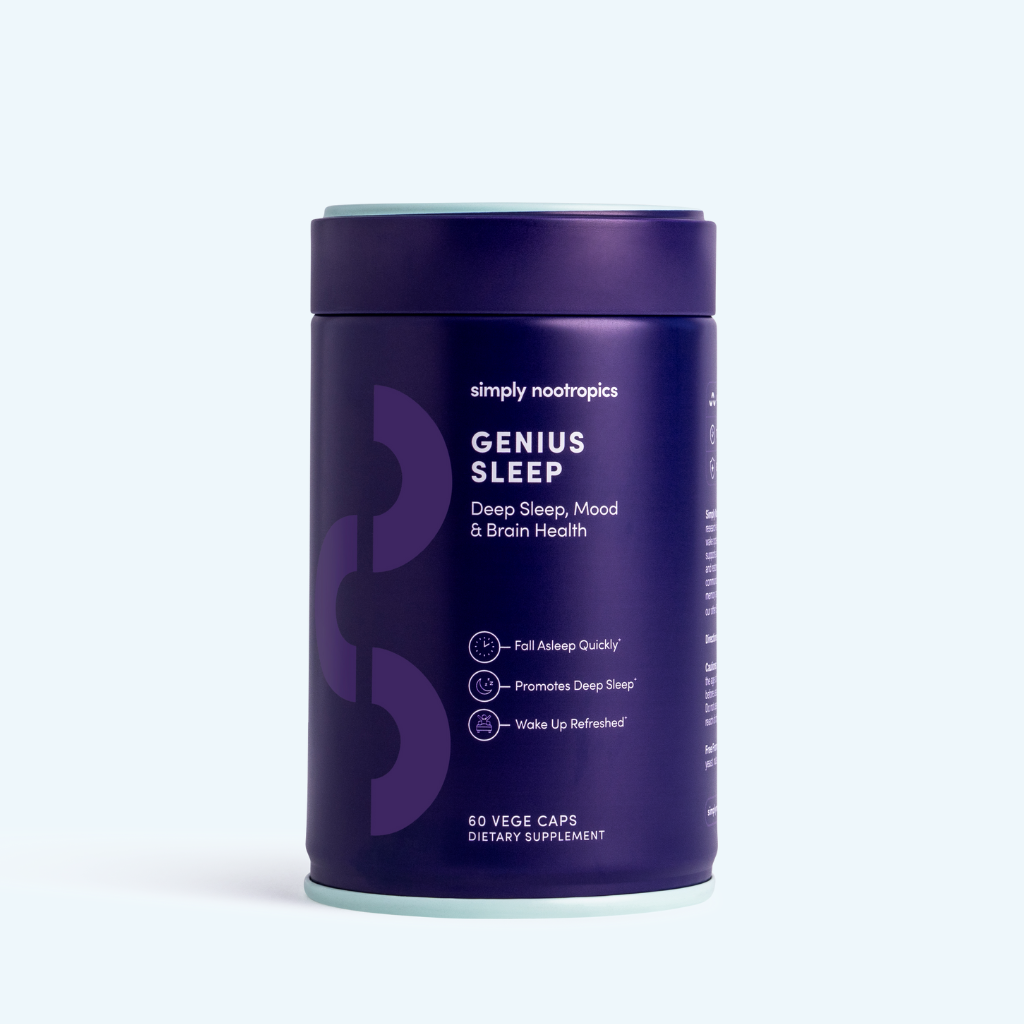
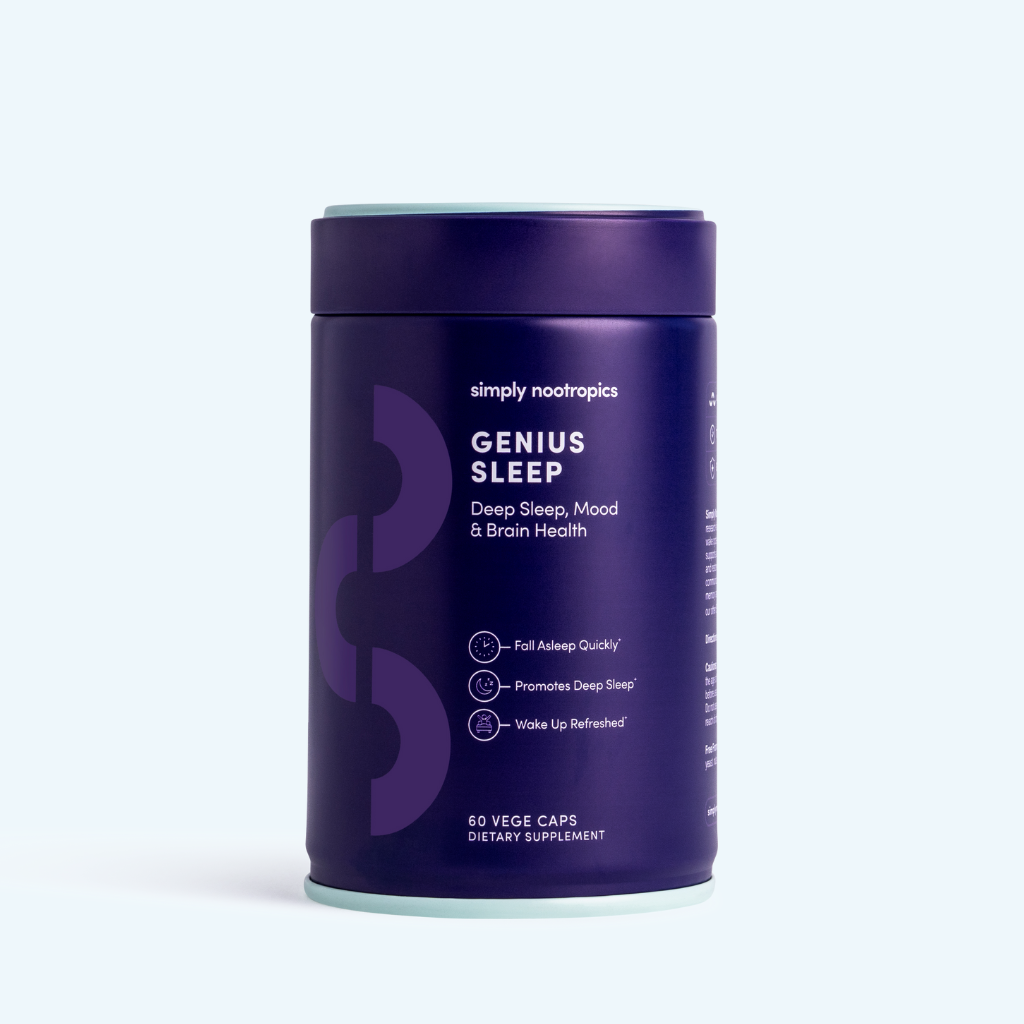
TMG B-Complex is designed to address exactly this. TMG directly supports methylation and homocysteine conversion, while a full-spectrum B complex covers the energy metabolism and neurotransmitter synthesis pathways that fasting draws on most heavily. Taken together in TMG B-Complex, and timed with your eating window, they remove the nutritional friction that makes fasting harder than it needs to be, and give your body what it needs to deliver on the benefits fasting promises.