

There's a version of health advice that hasn't changed much in decades. Eat your vegetables. Cut the processed food. Get enough protein. Stay hydrated. Move your body.
It's not wrong. But it's increasingly incomplete.
For a growing number of people - people who do eat well, who exercise, who sleep reasonably and manage their stress - something still feels off. Energy that never quite returns to what it was. A mental sharpness that used to be effortless and now requires effort. A body that recovers more slowly than it used to, even when nothing has obviously changed.
The gap between "healthy" and "actually feeling well" is widening. And the reason why has less to do with what we're eating and more to do with what's happening inside our cells.
The problem beneath the problem
Conventional nutrition advice is built around deficiency prevention: get enough vitamin C so you don't get scurvy, enough iron so you don't become anaemic, enough calcium so your bones don't deteriorate.
But most people in developed countries aren't deficient in these nutrients in any clinically meaningful way. They're eating enough. They're not sick. They're just not thriving.
What nobody talks about is a different kind of gap, not a deficiency in the traditional sense, but a decline in the biological machinery that turns nutrition into energy, repairs cellular damage, and keeps the systems that run the body functioning at their best.
That machinery runs on a molecule called NAD+.
What NAD+ is and why it matters
NAD+ (nicotinamide adenine dinucleotide) is a coenzyme found in every cell in the body. It's involved in hundreds of metabolic processes, but its most important role is in cellular energy production, specifically, in the mitochondria, the structures inside cells that convert food into usable energy.
Without adequate NAD+, this conversion process slows. Cells produce less energy. Tissues repair more slowly. The brain, which is one of the most energy-hungry organs in the body, starts to feel the effects: slower processing, reduced focus, a cognitive fog that settles in and doesn't lift the way it used to.
NAD+ also activates a group of proteins called sirtuins, which play a central role in DNA repair, inflammation regulation, and cellular resilience. When NAD+ levels are high, these repair mechanisms work efficiently. When they decline, the accumulation of cellular damage accelerates.
But NAD+ levels decline significantly with age, by as much as 50% between early adulthood and middle age.
Why food alone can't fix it
This is where the "just eat better" advice runs into its limits.
NAD+ isn't something you can meaningfully restore through diet. The precursors to NAD+ - the building blocks the body uses to synthesise it - are present in some foods, but in quantities far too small to compensate for age-related decline. You would need to eat implausibly large amounts of certain foods to move the needle, and even then, the bioavailability isn't guaranteed.
The same is true of many of the micronutrients involved in energy metabolism. Magnesium. B vitamins. Coenzyme Q10. These are present in whole foods, but modern agricultural practices have reduced the nutrient density of produce compared to fifty years ago. The spinach on your plate contains less magnesium than the spinach your grandparents ate. The soil it was grown in is simply less rich.
This isn't a reason to stop eating well. A nutrient-dense diet is still the foundation. But it is a reason to stop expecting food alone to do everything, especially when the thing you're trying to address is a decline in cellular machinery that food was never equipped to reverse.
The energy conversation we're not having
Chronic low energy, the kind that persists despite reasonable sleep, decent nutrition, and no obvious illness, is a signal worth taking seriously. It's not a character flaw or a scheduling problem. It's often a metabolic one.
When mitochondria aren't functioning efficiently, energy production drops at the cellular level. That drop is felt systemically: in physical stamina, in cognitive performance, in mood, in recovery from exercise, in the ability to handle stress without being depleted by it.
The research on what happens when NAD+ levels are restored is compelling. Studies have shown improvements in energy metabolism, muscle function, cognitive performance, and markers of cellular health.
Where supplementation fits in
Targeted supplementation isn't a replacement for a healthy lifestyle. It's what addresses the gap that a healthy lifestyle can't close on its own.
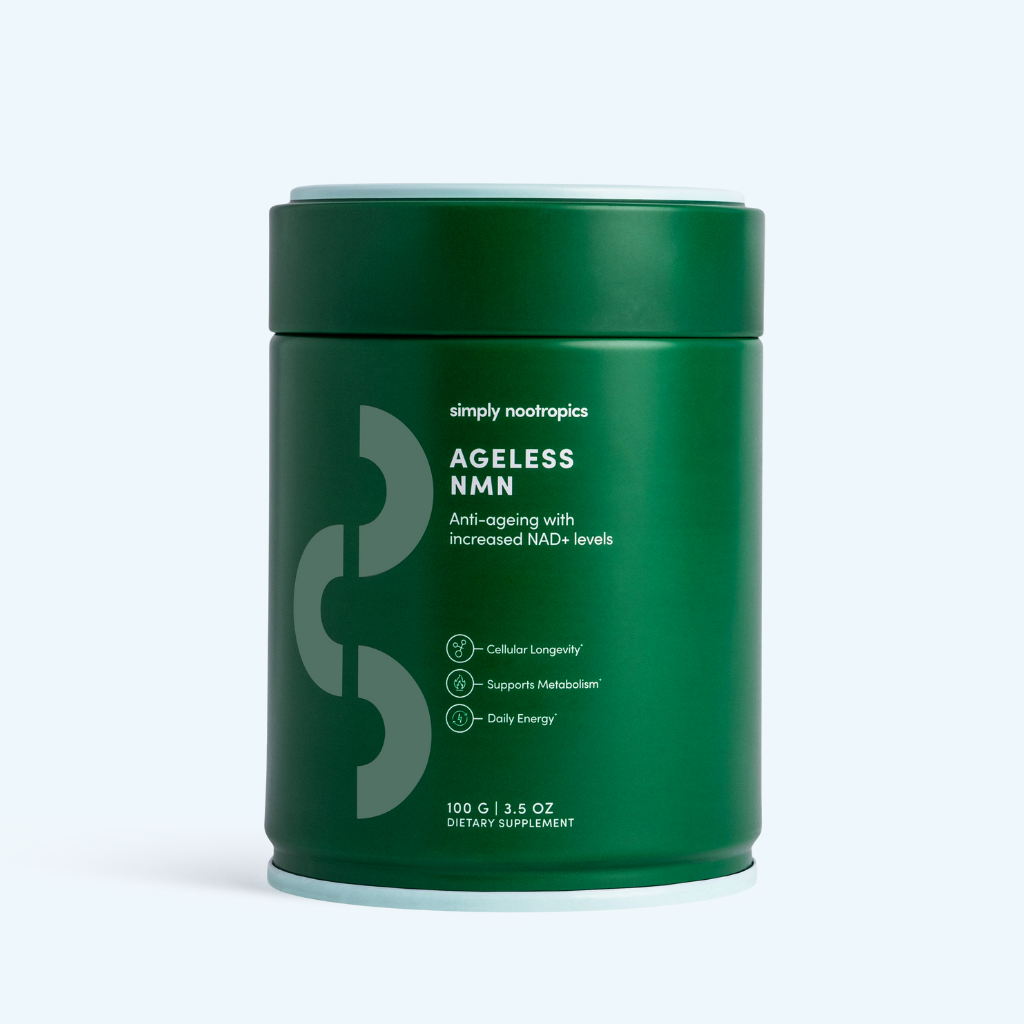
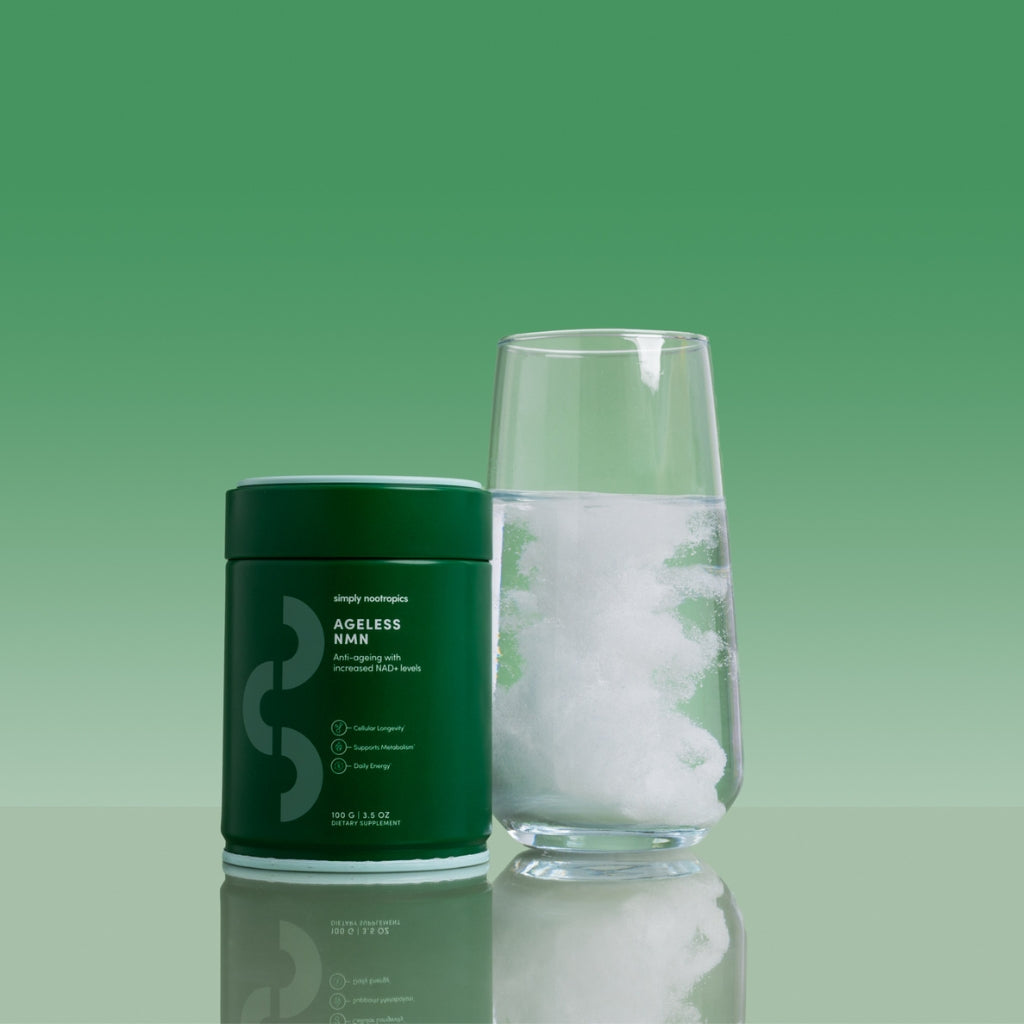
For NAD+ specifically, the most direct and well-researched approach is supplementing with NMN, nicotinamide mononucleotide, a direct precursor that the body converts into NAD+ efficiently. Unlike NAD+ itself, NMN can cross cell membranes and be utilised by the body to rebuild what's been depleted.
Studies in human trials have shown measurable increases in NAD+ levels following NMN supplementation, alongside improvements in energy metabolism, physical performance, and cognitive function.
For people who are already doing everything else right and still not feeling the way they think they should, it addresses something that diet and exercise simply can't.
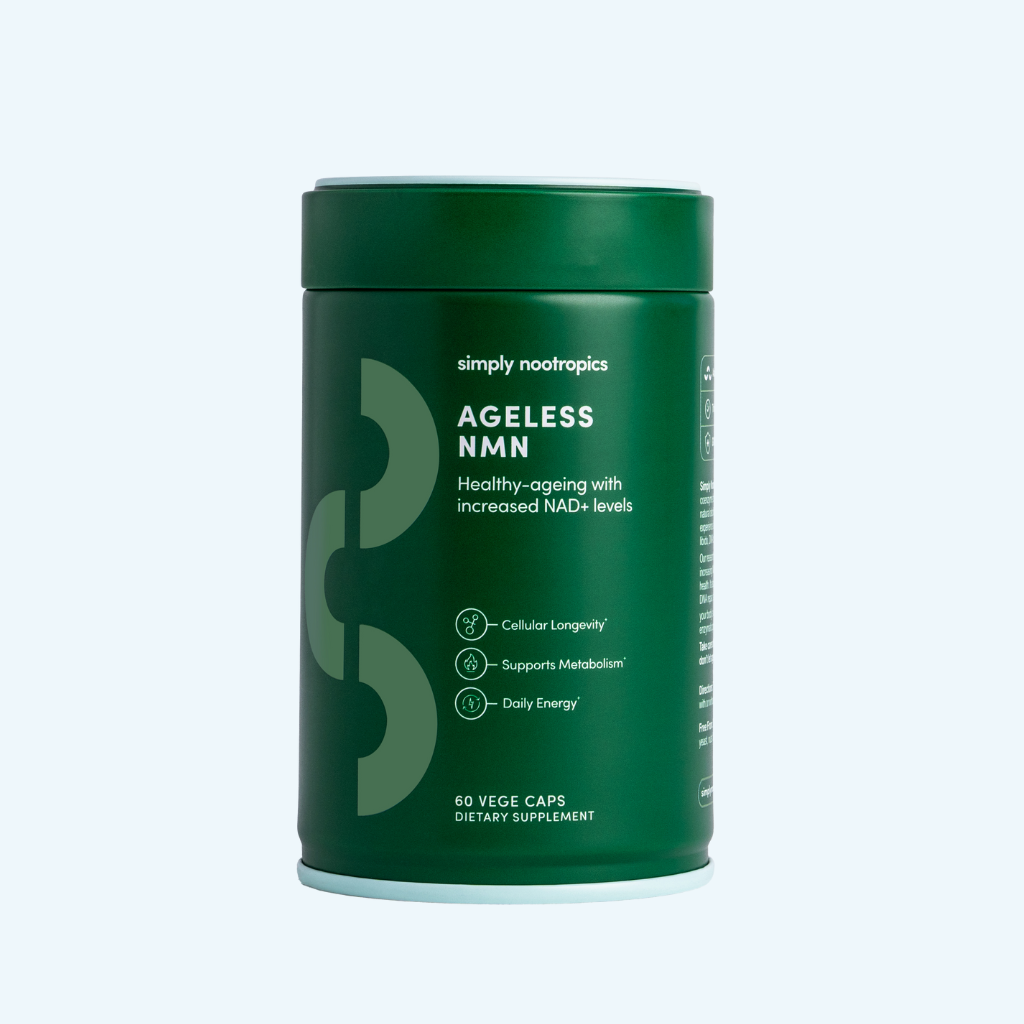
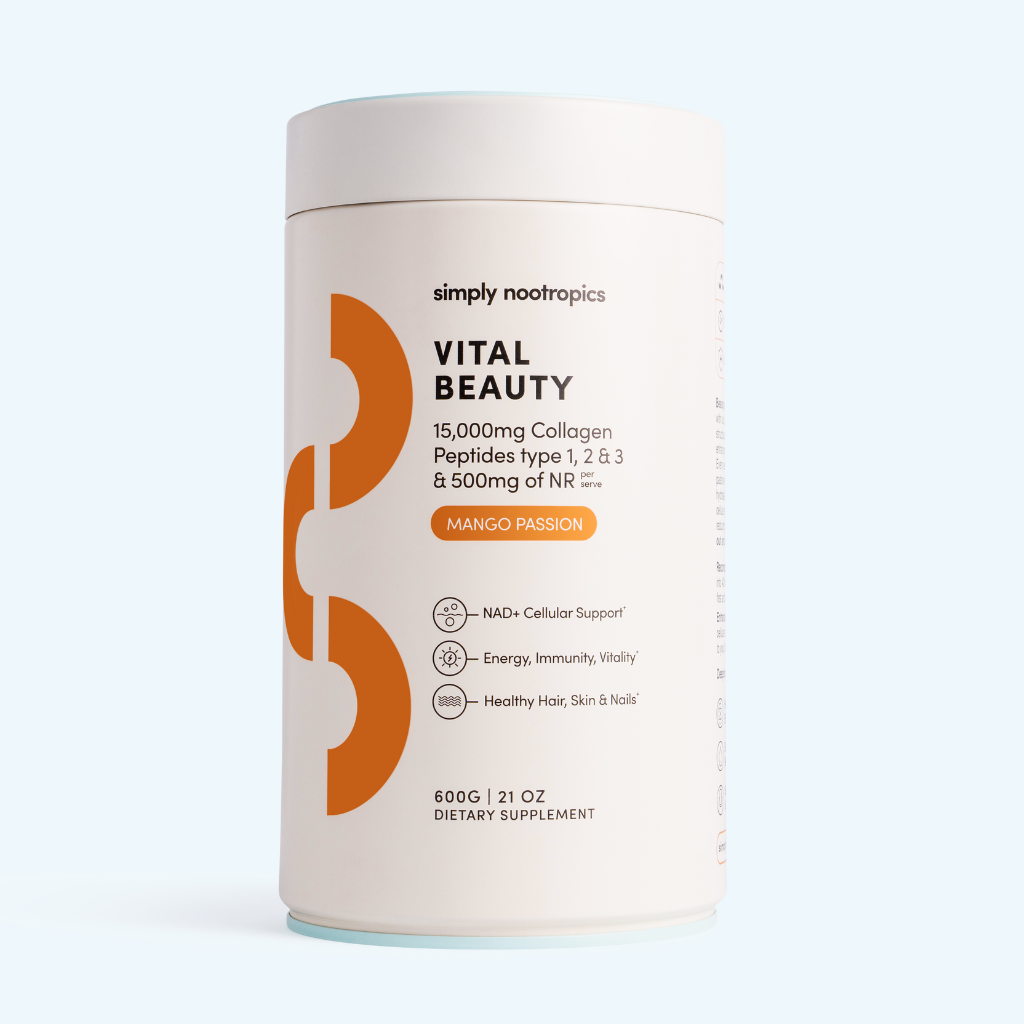
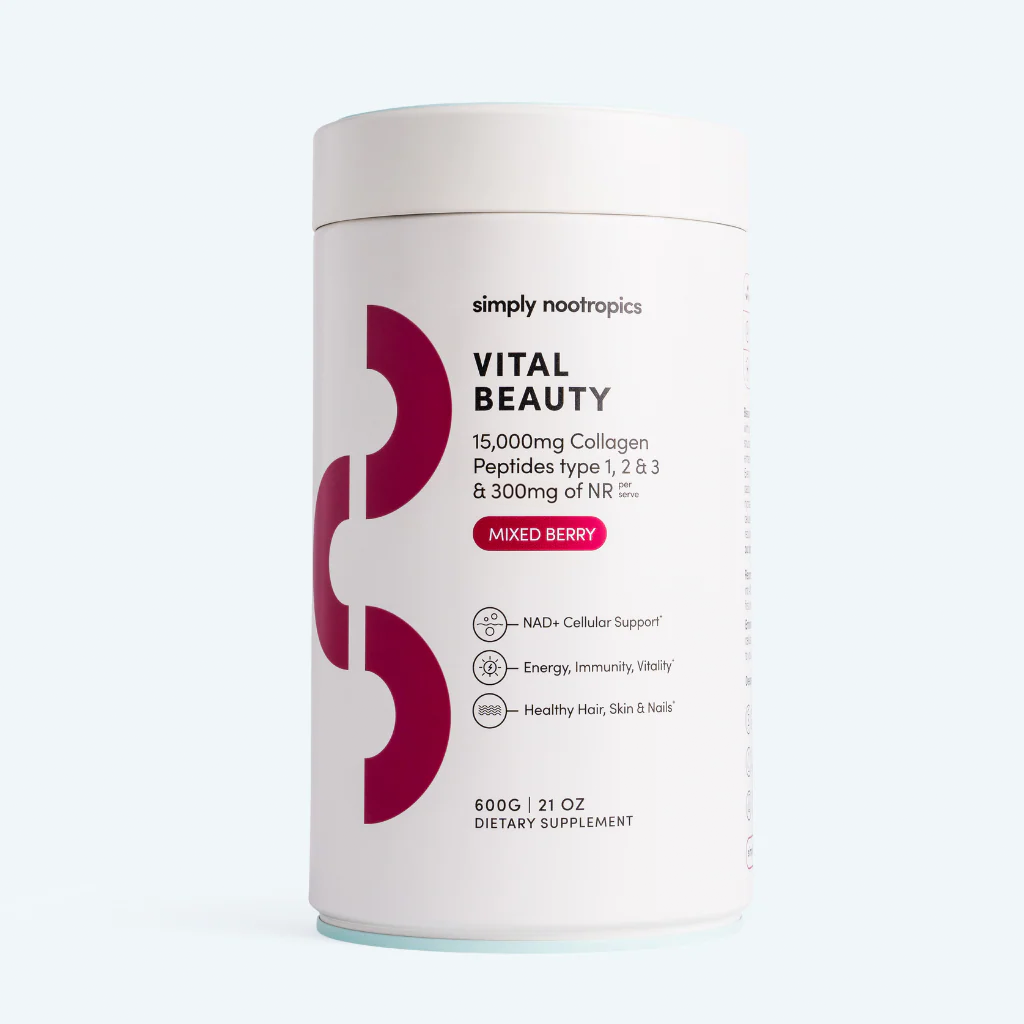
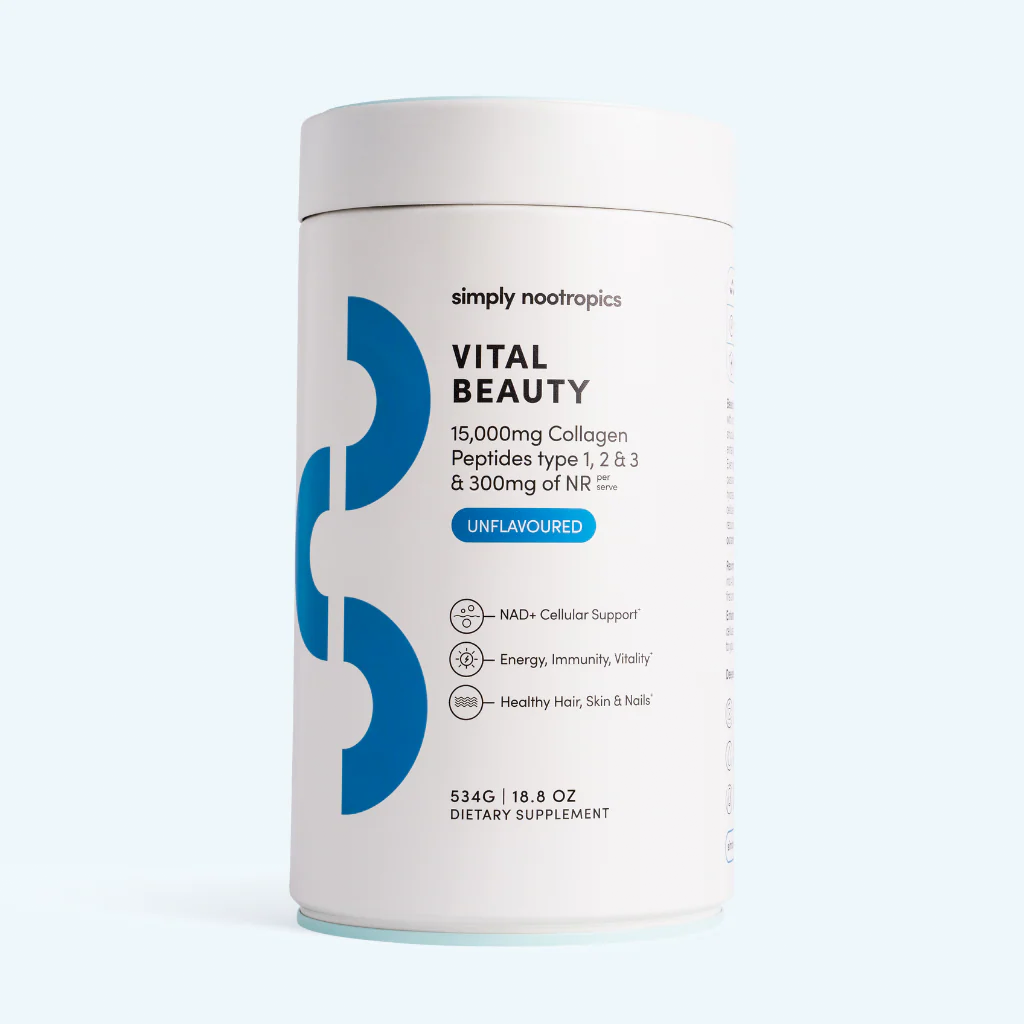
Ageless NMN is formulated to support NAD+ restoration at a clinically relevant dose, and designed for daily use as part of a consistent long-term routine. Because like most things that actually work, the results come from showing up every day, not from a single dose, but from the cumulative effect of sustained support over time.